Choosing the best pressure cooker or canner can transform your kitchen routine. From saving hours during busy weekdays to safely preserving summer’s harvest, these tools are more than just kitchen gadgets—they’re investments in convenience, flavor, and even nutrition. Many people find themselves lost in the vast range of options, unsure what really matters and what’s just marketing.
This guide will help you see the differences that count and avoid common beginner mistakes.
Pressure cookers are not what they used to be. Modern designs offer safety features, digital controls, and advanced materials. Meanwhile, canners—especially for home preserving—require careful selection to ensure food safety. Whether you’re new to pressure cooking or an experienced home canner, the right product can make everything simpler, safer, and more enjoyable.
What To Know Before Buying A Pressure Cooker Or Canner
Understanding the basics before you shop will help you make smarter choices. Pressure cookers use steam and high pressure to cook food quickly, locking in flavors and nutrients. Canners, on the other hand, are designed for preserving food in jars, following strict safety standards.
While some products can do both jobs, not all are suitable for canning.
Key Factors To Consider
- Material: Stainless steel is durable and resists corrosion, while aluminum is lighter and often less expensive. Some models combine both materials for better heat distribution.
- Capacity: Sizes range from small (3-4 quarts) for singles or couples, up to large (23 quarts or more) for big families or batch canning.
- Stovetop vs. Electric: Stovetop models offer more control and higher pressure, but electric models are easier for beginners and often include preset programs.
- Safety Features: Look for locking lids, pressure release valves, and clear pressure indicators.
- Compatibility: Make sure the cooker or canner works with your stove type, especially if you have induction.
- Accessories: Racks, extra gaskets, and recipe books can add value.
Common Beginner Mistakes
- Using a pressure cooker for canning without checking if it’s rated for safe canning.
- Ignoring the importance of accurate pressure control for food safety.
- Buying a model that’s too small or too large for your needs.
- Not considering replacement part availability.
Top Pressure Cookers And Canners
The following models stand out for their performance, reliability, and safety. Each is selected based on user feedback, expert reviews, and practical features.
1. Instant Pot Duo 7-in-1 Electric Pressure Cooker
The Instant Pot Duo has become a kitchen staple for good reason. It combines seven appliances in one, including pressure cooker, slow cooker, rice cooker, steamer, sauté pan, yogurt maker, and warmer. With 14 one-touch programs, it’s perfect for busy home cooks who want versatility. The 6-quart size is ideal for most families, but other sizes are available. Key features include an easy-seal lid, safety lock, and dishwasher-safe inner pot. While not suitable for pressure canning, its convenience and reliability make it a top choice for everyday cooking.
2. Presto 01781 23-quart Pressure Canner And Cooker
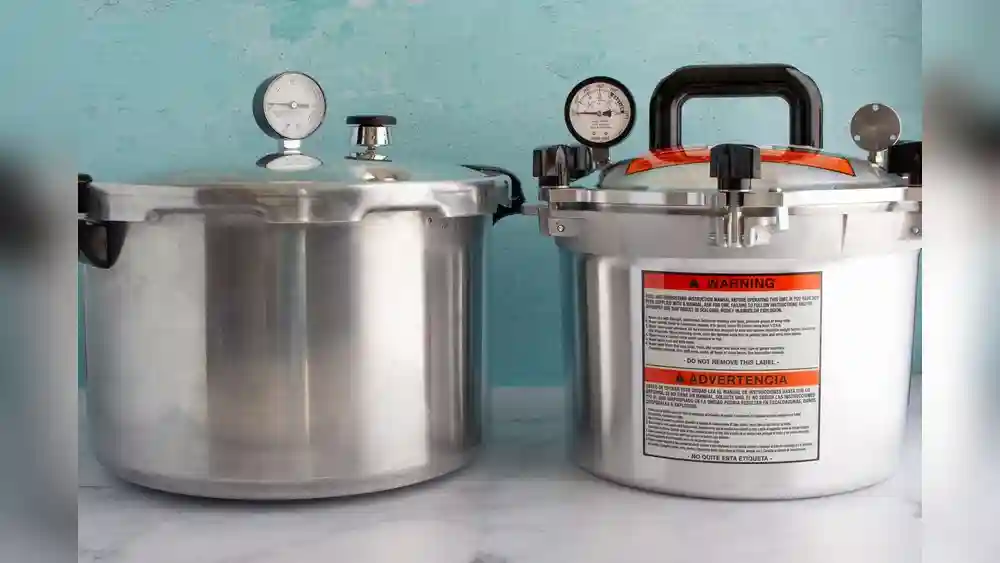
The Presto 01781 is one of the most popular choices for home canning. Its large 23-quart capacity allows you to process large batches of vegetables, meats, and even soups. Made from heavy-gauge aluminum, it heats quickly and evenly. The dial gauge is easy to read, and the locking lid adds a layer of safety. It comes with a canning/cooking rack and a comprehensive instruction book. One overlooked benefit: this model is approved for use on glass-top ranges, which is not true for every canner.
3. All American 921 Pressure Canner And Cooker
Home canning enthusiasts love the All American 921 for its durability and capacity. This canner is unique because it uses a metal-to-metal sealing system, eliminating the need for a gasket. The 21.5-quart size holds up to 19 pint jars or 7 quart jars. The heavy-duty cast aluminum body ensures even heating, and the pressure gauge is precise. Be aware that this unit is quite heavy, so it’s best for those with the counter space to store it.
4. Ninja Foodi 9-in-1 Deluxe Xl Pressure Cooker
The Ninja Foodi Deluxe takes multi-cooking to another level. It’s not just a pressure cooker—it air fries, bakes, broils, and dehydrates, too. The 8-quart capacity is great for larger families or meal prep. The crisping lid lets you finish dishes with a golden top, and the digital controls are intuitive. This model is not designed for canning, but if you want an all-in-one device for everyday meals, it’s hard to beat.
5. T-fal Pressure Cooker, 22 Quart, Pressure Canner With Pressure Control
The T-fal 22 Quart Pressure Canner is a budget-friendly option for serious canners. It offers three pressure settings (5, 10, and 15 PSI) and a deluxe pressure gauge for accurate processing. The heavy-gauge aluminum construction is sturdy, and the included racks make stacking jars easy. Many users appreciate its straightforward design and reliable safety features. It’s a smart pick for those new to canning who want something simple but effective.
6. Fissler Vitaquick Pressure Cooker
The Fissler Vitaquick stands out for its German engineering and safety features. Made from high-quality stainless steel, it’s compatible with all stove types, including induction. The 8.5-quart size is perfect for families. Unique features include a positioning aid for the lid, an audible click to confirm sealing, and a removable handle for easy cleaning. Though pricier, its long lifespan and efficient cooking make it a favorite among serious cooks.
7. Ball Freshtech Electric Water Bath Canner And Multi-cooker
For those interested in water bath canning, the Ball FreshTECH Electric Canner offers a simple, electric solution. It holds 7 quart jars, making it ideal for jams, jellies, and pickles. The unit doubles as a multi-cooker for soups and stews. Because it’s electric, you don’t need to tie up your stovetop, and the spigot makes draining easy. While not suitable for pressure canning low-acid foods, it’s a safe and convenient way to get started with home canning.
8. Kuhn Rikon Duromatic Pressure Cooker
The Kuhn Rikon Duromatic is a favorite among home chefs for its quiet operation and energy efficiency. Made from polished stainless steel, it features an automatic locking system and multiple pressure settings. The spring-loaded valve is more accurate than traditional jiggle-top models. Sizes range from 2.6 to 12.7 quarts, making it easy to find the right fit for your kitchen. Its safety features and build quality justify the investment.
9. Granite Ware Pressure Canner And Cooker
If you want a lightweight canner that still gets the job done, the Granite Ware Pressure Canner is worth considering. It’s made from hard-anodized aluminum, which offers good heat distribution without the weight of cast models. The 20-quart capacity accommodates sizable batches, and the dial gauge ensures accurate pressure. It comes with a rack for stacking jars, and the handles stay cool during use. This is a practical choice for those with limited upper body strength.
10. Breville Fast Slow Pro Pressure Cooker
The Breville Fast Slow Pro is a technologically advanced electric pressure cooker. It automatically adjusts time, temperature, and pressure for precise results. The LCD screen shows every stage of cooking, and the interactive controls make it easy to customize recipes. The 6-quart capacity is suitable for most households. Safety is well covered with a locking lid, hands-free steam release, and multiple sensors. While not intended for canning, its versatility for daily meals is impressive.
11. Mirro 92122a Polished Aluminum Pressure Cooker/canner
The Mirro 92122A is a classic choice for those who want a straightforward, no-frills canner. With a 22-quart capacity, it can handle large batches for preserving. The weighted gauge system offers three pressure settings and is simple to use. Its polished aluminum body ensures quick heating, and the side handles are designed for easy lifting. Replacement parts are widely available, which is a plus for long-term use.
12. Cuisinart Cpc-600n1 Electric Pressure Cooker
The Cuisinart CPC-600N1 brings reliable pressure cooking into the electric age. The push-button controls and pre-programmed settings make it beginner-friendly. The 6-quart nonstick pot is easy to clean, and the safety features (like lid lock and thermal fuse) offer peace of mind. While you can’t use this for canning, it’s excellent for soups, stews, and beans. One non-obvious benefit: it operates more quietly than many competitors.
13. Buffalo Stainless Steel Pressure Cooker
The Buffalo Pressure Cooker is made from high-grade stainless steel and is known for its durability. Available in several sizes, the 8-quart is a sweet spot for most home cooks. Its unique safety lock and vent system prevent accidents, and the design ensures even heating. Buffalo’s reputation for quality in Asia makes this a top pick for those who want a cooker that will last for years.
14. Nesco Smart Electric Pressure Cooker And Canner
The Nesco Smart Electric Canner is one of the few electric models designed for both pressure and water bath canning. It holds 4 quart jars or 5 pint jars at a time, which is perfect for small-batch preserving. The digital display walks you through each step, making canning more approachable for beginners. It’s also useful for slow cooking, steaming, and sautéing. If you’re nervous about canning, this model’s built-in safety checks help ensure proper pressure and time.
15. Wmf Perfect Plus Pressure Cooker
The WMF Perfect Plus is a German-made stovetop cooker prized for its simplicity and performance. The all-in-one handle contains the controls for pressure and steam release, making operation straightforward. The TransTherm base works on all cooktops and provides even heat. Sizes range up to 8.5 quarts. The sound and color indicators are user-friendly, and the build quality is excellent. This is a great choice for those who want a reliable stovetop option.
16. Victorio Vkp1131 Stainless Steel Multi-use Canner
The Victorio Multi-Use Canner is designed for both water bath and steam canning. Its stainless steel construction means it’s built to last, and the temperature indicator on the lid helps ensure safe processing. It holds 8 pint or 7 quart jars, making it suitable for most home canners. This model is especially valued for its clear instructions and simple operation.
17. Magefesa Practika Plus Stainless Steel Pressure Cooker
The Magefesa Practika Plus is a Spanish-made cooker with a reputation for safety and efficiency. The 8-quart size is practical for families, and the triple safety mechanism includes a locking lid, pressure indicator, and safety valve. It works on all stovetops, including induction. Its ergonomic handles stay cool, and the base distributes heat evenly. This model is ideal for soups, stews, and beans cooked in a hurry.
18. Barton Pressure Canner 22-quart
The Barton Pressure Canner offers a large 22-quart capacity and is a favorite among budget-minded canners. The aluminum body is lightweight but strong, and the included racks allow for double-stacking jars. The dial gauge and vent pipe make pressure control straightforward. Replacement parts are easy to find, which is useful if you plan to can often. This model is a good starting point for those who want to try canning without a big investment.
19. Zavor Duo Pressure Cooker
The Zavor Duo is a modern upgrade on the classic stovetop pressure cooker. Made from stainless steel, it features a locking lid, pressure indicator, and two pressure settings. The 6.3-quart size is a good fit for most kitchens. It comes with a steamer basket and trivet, adding to its versatility. The easy-to-read markings and simple controls make it accessible for beginners.
20. Power Pressure Cooker Xl
The Power Pressure Cooker XL is popular for its one-touch operation and multiple preset programs. With sizes up to 10 quarts, it can handle large meals or batch cooking. The digital controls and safety lock make it easy to use, even for those new to pressure cooking. While not rated for canning, it excels at quick stews, rice, and even desserts.
Comparing Key Pressure Cookers And Canners
It’s easy to get overwhelmed by features and specs. Here’s a side-by-side look at some top models to help you see the differences that matter most.
| Model | Type | Capacity | Material | Canning Approved | Special Features |
|---|---|---|---|---|---|
| Instant Pot Duo | Electric Cooker | 6 quarts | Stainless Steel | No | 7-in-1, Preset Programs |
| Presto 01781 | Stovetop Canner | 23 quarts | Aluminum | Yes | Large Capacity, Glass-top Compatible |
| All American 921 | Stovetop Canner | 21.5 quarts | Cast Aluminum | Yes | Metal-to-Metal Seal, No Gasket |
| Ninja Foodi Deluxe | Electric Cooker | 8 quarts | Stainless Steel | No | Air Fry, Broil, Bake |
| T-fal 22 Quart | Stovetop Canner | 22 quarts | Aluminum | Yes | 3 Pressure Settings |
Electric Vs. Stovetop: Which Is Better?
Both types have their strengths. Electric pressure cookers like the Instant Pot simplify cooking with presets and safety features. They are great for beginners or those who want a “set it and forget it” approach. However, most electric cookers are not rated for pressure canning.
Stovetop models reach higher pressures, which is essential for safe canning and faster cooking. They give you more control but require you to monitor the process more closely. If you plan to preserve low-acid foods (like vegetables or meats), a stovetop canner is a must.
How To Use A Pressure Cooker Safely
Safety is the most important factor when using these appliances. Even modern models need proper handling to avoid burns or kitchen accidents.
Key Safety Steps
- Read the Manual: Every model is different. Learn how your device works before starting.
- Check Seals and Valves: Before each use, inspect the gasket (or the sealing surface) for cracks. Make sure pressure release valves are clean and free of debris.
- Don’t Overfill: Most manufacturers recommend filling only 2/3 full for regular cooking or 1/2 full for foods that expand, like beans or grains.
- Use Enough Liquid: Pressure cookers need steam to build pressure. Always use the recommended minimum amount of liquid.
- Release Pressure Safely: Follow the recipe’s guidance for natural or quick release. Never force open a lid.
- Keep an Eye on Pressure: For stovetop models, adjust the heat as needed to maintain the correct pressure.
- Replace Worn Parts: Gaskets and safety valves don’t last forever. Replace them as needed to prevent leaks or failures.
Tips For Best Results With Pressure Cooking And Canning
There are a few tricks that can make a big difference in your results.
- Brown meats first: Searing meat before pressure cooking adds depth and flavor.
- Layer ingredients wisely: Place items that cook longer on the bottom and delicate foods on top.
- Cool jars slowly after canning: Rapid temperature changes can cause jars to break.
- Keep records: Write down what works and what doesn’t for future batches, especially when canning.

Mistakes To Avoid
Many first-time users run into trouble because they rush or skip steps.
- Using a pressure cooker for canning: Not all cookers can safely preserve food. Always check if your model is approved for canning.
- Ignoring altitude adjustments: Higher altitudes require longer processing times for safe canning.
- Forgetting to de-bubble jars: Air bubbles in jars can lead to spoilage or failed seals.
- Not checking for seal: After canning, make sure the lids have sealed by pressing the center—there should be no movement.
Advanced Features Worth Considering
If you want more than basic functionality, some features can add real value.
- Multiple pressure settings: Useful for delicate foods or recipes with varied ingredients.
- Digital timers and delay starts: Handy for busy schedules or overnight soaking.
- Integrated temperature sensors: Increase precision, especially for canning.
- Removable handles or dishwasher-safe parts: Make cleanup easier.
Real-world Examples And Data
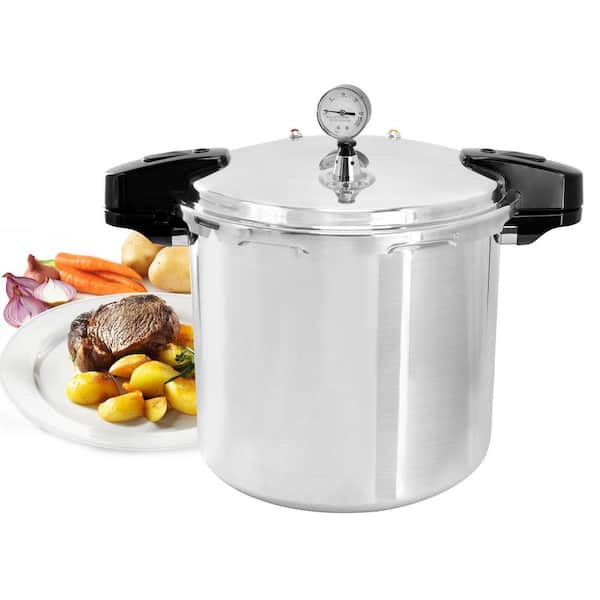
Pressure cookers can reduce cooking times by up to 70%. For example, dried beans that normally take 2 hours on the stove can be ready in 20-30 minutes. According to the USDA, pressure canning is the only safe way to process low-acid foods at home, preventing botulism and other risks.
Home canning has seen a huge rise in popularity. The Ball Corporation reported a 20% increase in jar sales in 2020, reflecting a growing interest in self-sufficiency and food preservation.
Table: Top Features Across Leading Models
To help you spot the differences, here’s a comparison of top features:
| Model | Pressure Settings | Digital Controls | Dishwasher-Safe Parts | Warranty |
|---|---|---|---|---|
| Instant Pot Duo | High, Low | Yes | Yes | 1 Year |
| All American 921 | Single | No | No | 1 Year |
| Nesco Smart Canner | Single | Yes | Yes | 1 Year |
| Fissler Vitaquick | High, Low | No | Yes | Lifetime |
| Mirro 92122A | 5, 10, 15 PSI | No | No | Limited Lifetime |
Cleaning And Maintenance
Keeping your pressure cooker or canner in good shape is essential for safety and longevity.
- Wash after every use: Clean the lid, gasket, and pot thoroughly. Food residue can cause odors or affect performance.
- Remove and inspect the gasket: Look for wear or food particles.
- Check the pressure valve: Use a small brush to keep it clear.
- Store with lid upside down: This prevents odors and keeps the gasket from being compressed.
Are Pressure Cookers And Canners Worth It?
If you value speed, flavor, and the ability to preserve food, the answer is yes. Pressure cookers can cut meal prep times drastically, and canners give you the power to store homemade foods safely for months. The upfront cost pays off in healthier meals and less food waste.
A less obvious benefit: pressure cookers preserve more vitamins and minerals than boiling, because the cooking time is shorter and less water is used. For canners, the long-term savings from home-preserved food can be substantial, especially if you grow your own produce.
How To Choose The Right Size
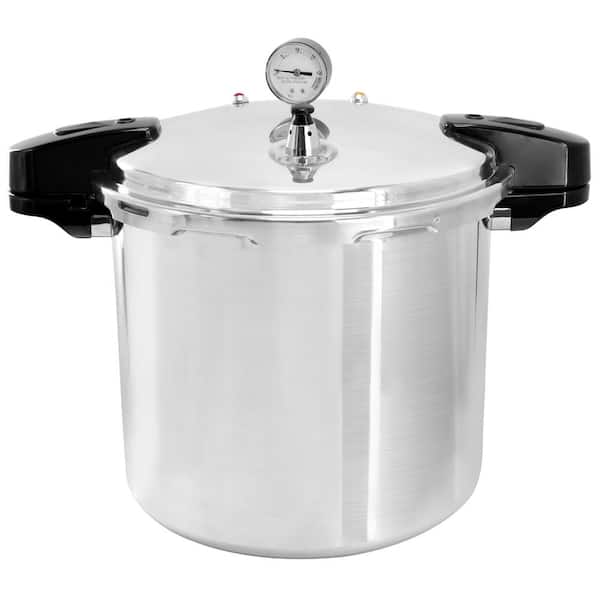
A common mistake is picking a cooker or canner that’s too small or too large. Here’s how to decide:
- For individuals or couples: 3 to 6 quarts is usually enough for daily meals.
- For families of 4–6: 6 to 8 quarts works well for both cooking and canning.
- For batch cooking or preserving: 16 quarts or more is ideal, especially for canning whole fruits, vegetables, or meats.
Remember that canners should be large enough to allow water to circulate around jars. A smaller size will limit your batch size, but a too-large canner takes longer to heat and uses more energy.
Replacing And Upgrading Your Equipment
Pressure cookers and canners can last for decades with good care, but there are times when you should consider replacing them:
- If the lid or pot is warped or cracked, replace the unit.
- Gaskets and valves should be replaced every few years, or if they show signs of damage.
- Upgrade if you want more safety features or digital controls.
Many people keep their old stovetop canners even after upgrading to electric models, using each for different tasks.
Where To Find Trusted Information
Only use recipes and processing times from trusted sources like the USDA or university extension programs. This is especially important for canning, as incorrect times or pressures can make food unsafe. For more in-depth information, the National Center for Home Food Preservation is a reliable reference.
Frequently Asked Questions
What Is The Main Difference Between A Pressure Cooker And A Pressure Canner?
A pressure cooker is designed for quick meal preparation, while a pressure canner is built for safely preserving foods in jars. Canners are larger and can maintain precise pressures for the time required to kill bacteria and spores. Not all pressure cookers can be used for canning, so always check your model’s manual.
Can I Use Any Pressure Cooker For Canning?
No, only models specifically approved as pressure canners should be used for canning low-acid foods. Most electric pressure cookers are not rated for safe canning, because they may not reach or maintain the necessary pressure and temperature. Always check the manufacturer’s guidelines.
How Do I Know What Size Pressure Cooker Or Canner I Need?
Choose based on your typical batch size and available storage space. For daily meals, a 6-quart cooker is usually enough. For canning, a larger canner (16–23 quarts) lets you process more jars at once, which saves time and energy in the long run.
What Foods Should Not Be Cooked Or Canned In A Pressure Cooker?
Foods that foam or expand a lot, like pasta, oatmeal, or split peas, can block vents and are not recommended for pressure cooking. For canning, dairy, eggs, and thick purees are not safe, as they can prevent proper heat penetration.
How Often Should I Replace The Gasket And Other Parts?
Inspect the gasket and safety valves regularly. Replace the gasket every 1–2 years, or sooner if it shows cracks or loss of flexibility. Always use manufacturer-approved parts to maintain safety.
Selecting the right pressure cooker or canner is a smart step toward easier meals and safe home food preservation. By understanding your needs, considering the features that matter, and maintaining your equipment, you’ll get years of safe, tasty results.