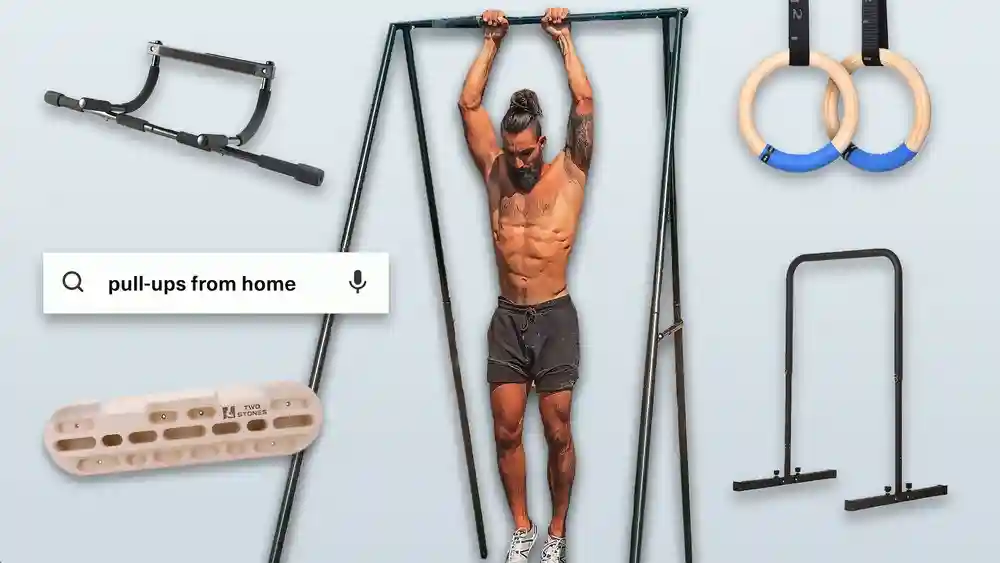
Looking to build upper body strength without leaving your home? A pull-up bar might be exactly what you need.
But with so many options out there, how do you find the best pull-up bar for your home? You want something sturdy, easy to install, and that fits your space perfectly. Keep reading, because this guide will help you choose the right pull-up bar that suits your goals and lifestyle.
By the end, you’ll be ready to start your workouts with confidence and see real results.
Choosing The Right Pull Up Bar
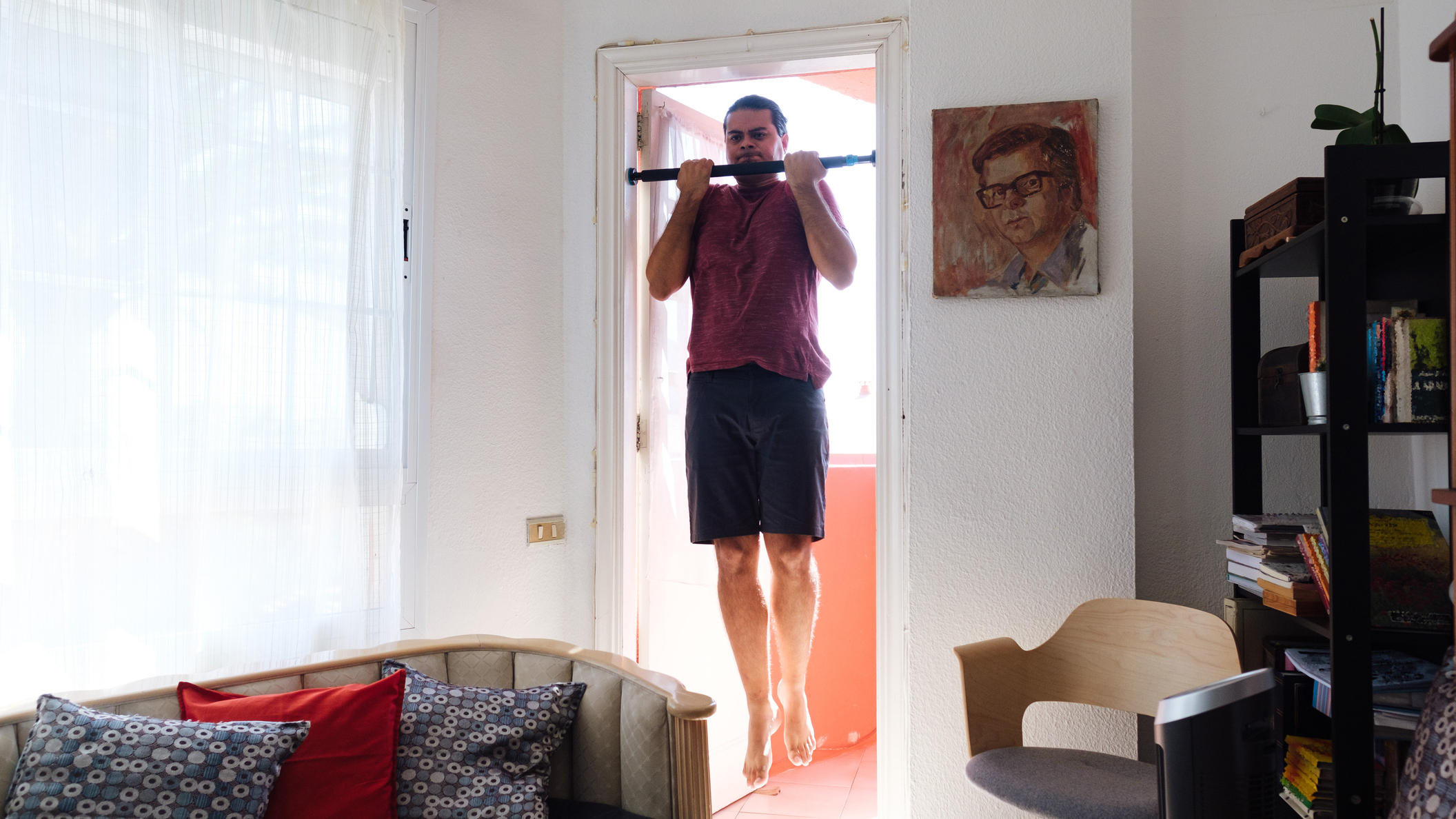
Choosing the right pull up bar for home use is important for effective workouts. A good bar supports your weight and fits your space. It also should be easy to install and use daily. Understanding different types helps pick the best one for your needs.
There are many kinds of pull up bars. Some fit in doorways, others mount on walls or ceilings. Doorway bars are easy to install and remove. Wall-mounted bars are very stable but need drilling. Ceiling bars save space and allow many exercises.
Weight Capacity
Check the pull up bar’s weight limit before buying. It must hold your full body weight safely. Choose a bar with a higher weight capacity for safety. This avoids accidents and extends the bar’s life.
Material And Build Quality
Strong materials like steel last longer and hold weight well. Look for bars with non-slip grips for comfort and safety. Good build quality means the bar won’t bend or break easily.
Space And Installation
Measure your workout area before choosing a bar. Some bars need space around the door or wall. Installation can be simple or require tools. Pick a bar that fits your space and skill level for setup.
Comfort And Grip Options
Comfort matters during pull ups to avoid hand pain. Bars with foam or rubber grips reduce slipping and soreness. Some bars offer multiple grip positions for varied workouts.
Types Of Pull Up Bars
Choosing the right pull up bar for home use depends on space and workout needs. Different types fit different places and goals. Understanding each type helps you pick the best one for your home gym. Here are the main types of pull up bars you can use at home.
Doorway Bars
Doorway bars are easy to install. They fit in most door frames without drilling holes. These bars use leverage to stay in place. They are perfect for small spaces. You can remove them easily when not in use. Doorway bars work well for beginners and light workouts.
Wall Mounted Bars
Wall mounted bars attach directly to a wall. They require screws and proper installation. These bars are very sturdy and support heavy weights. Wall mounted bars save floor space. They offer a fixed position for pull ups. Ideal for serious training and long-term use.
Ceiling Mounted Bars
Ceiling mounted bars hang from the ceiling. They need strong support and proper installation. These bars offer more clearance and movement space. Good for homes with limited wall space. Ceiling mounted bars allow for different grip styles. Great for advanced exercises and full range motion.
Free Standing Bars
Free standing bars do not need walls or ceilings. They have their own frame and stand on the floor. These bars offer maximum stability and space. You can move them anywhere in your home. Free standing bars often include extra features like dip stations. Perfect for a complete home workout setup.
Benefits Of Pull Up Bars At Home
Pull up bars at home offer many benefits for fitness and health. They help build upper body strength and improve muscle tone. Having a pull up bar at home makes it easy to exercise anytime. No need to travel to a gym or wait for equipment. This convenience encourages regular workouts and helps maintain a fitness routine.
Using a pull up bar also supports better posture and core stability. It targets multiple muscle groups, including arms, back, shoulders, and abs. This makes pull ups a very efficient exercise. They increase endurance and help burn calories effectively. Pull up bars are simple, compact, and fit in small spaces.
Easy Access To Strength Training
A pull up bar at home means you can work out anytime. No schedule limits or gym hours. This makes strength training more consistent and effective. It is easier to build muscle with regular practice.
Improves Upper Body Muscles
Pull ups target muscles in the arms, back, and shoulders. This strengthens the upper body quickly. It also helps tone muscles and improve muscle shape. Regular pull ups can increase arm and back strength.
Supports Better Posture
Exercises on a pull up bar improve posture. They strengthen the muscles that hold the spine straight. This reduces slouching and back pain. Good posture improves overall appearance and comfort.
Compact And Space-saving
Pull up bars are small and fit in tight spaces. They can be installed on door frames or walls. This makes them perfect for apartments or small homes. No need for large equipment or room.
Boosts Overall Fitness
Using a pull up bar builds endurance and stamina. It also improves grip strength and coordination. Pull ups engage the core and help with balance. This leads to better overall fitness and health.
Key Features To Look For
Choosing the best pull up bar for home use depends on certain key features. These features ensure safety, comfort, and long-lasting use. Understanding them helps find the right bar for your workouts.
Focus on material, weight capacity, grip comfort, and installation ease. Each factor affects how well the bar performs and fits your needs.
Material And Durability
Strong material keeps the pull up bar safe and steady. Steel is common because it holds weight well. Look for powder-coated or rust-resistant finishes. These last longer and resist damage from sweat or moisture.
Weight Capacity
Check the maximum weight the bar supports. It should hold more than your body weight for safety. A higher weight capacity means the bar is sturdy and reliable.
Grip Comfort
Comfortable grips help you hold the bar without slipping. Foam or rubber grips reduce hand strain and prevent blisters. Good grip material improves workout time and control.
Installation Ease
Simple installation saves time and effort. Some bars fit in door frames without tools. Others require screws or brackets. Choose a bar that fits your space and skill level for setup.
Top Pull Up Bars For Small Spaces
Finding the right pull up bar for small spaces can be a challenge. Many bars are large and need a lot of room. Small apartments or rooms need smart choices. The best pull up bars fit well and do not block space.
These bars offer good support and easy use. They help you stay active without needing a gym. Let’s explore top pull up bars made for tight spaces.
Doorway Pull Up Bars
Doorway pull up bars fit inside door frames. They are easy to install and remove. No drilling or damage to walls. These bars are perfect for small rooms.
They support various exercises like pull ups and chin ups. Most models have padded grips for comfort. They are strong and hold good weight.
Wall Mounted Pull Up Bars
Wall mounted bars save floor space. They fix directly on a wall with screws. These bars are very stable and safe.
They require some installation work but offer solid support. Ideal for people who want a permanent setup. Good for regular workouts in small areas.
Ceiling Mounted Pull Up Bars
Ceiling mounted bars hang from the ceiling. They keep walls and floors free. Great for rooms with high ceilings.
These bars allow more movement and exercise options. They need strong ceiling support. Often used in home gyms with limited wall space.
Pull Up Bars For Advanced Training
Advanced training with pull up bars demands strength and versatility. These bars support intense workouts and complex exercises. They help build muscle and improve endurance quickly.
Choosing the right pull up bar can boost training results. Bars designed for advanced users offer extra features. These features make workouts harder and more effective.
Sturdy Construction For Heavy Use
Advanced pull up bars must be strong and durable. Steel frames and solid mounts prevent wobbling. This stability allows safe, intense workouts without fear of breaks.
Multiple Grip Positions
Bars with various grips target different muscles. Wide, narrow, and neutral grips change the focus. This variety helps develop balanced upper body strength.
Adjustable Height And Width
Bars that adjust fit different doorways and spaces. Customizable settings also help with different exercise types. Flexibility makes the bar suitable for many users and workouts.
Added Features For Advanced Moves
Some bars include dip handles or ab straps. These extras support advanced exercises beyond pull ups. They allow a full upper body workout with one tool.
Combining Pull Up Bars With Other Equipment
Pull up bars are great for upper body strength. Combining them with other equipment can improve your workouts. You can target different muscles and avoid boredom. This approach helps build a balanced, strong body. It also makes home workouts more fun and effective.
Using various tools together lets you create many exercise options. You save space and money by mixing equipment at home. Below are some ways to combine pull up bars with other gear.
Resistance Bands And Pull Up Bars
Resistance bands add extra challenge to pull ups. They help with assisted pull ups for beginners. Use bands to increase tension for stronger muscles. Bands also allow smooth movement and better control. This combination improves strength and flexibility.
Dumbbells And Pull Up Bars
Dumbbells work well with pull up bar exercises. You can do rows, curls, and presses alongside pull ups. This mix targets arms, back, and shoulders. Using dumbbells helps build muscle symmetry. It also increases overall upper body power.
Gymnastic Rings With Pull Up Bars
Gymnastic rings attach easily to pull up bars. Rings add instability, making muscles work harder. They improve grip strength and coordination. This combo enhances body control and balance. Rings also let you try creative movements.
Safety Tips For Home Pull Up Bars
Using a pull up bar at home is a great way to stay fit. Safety should be the top priority to avoid injuries. Follow these simple tips to keep your workout safe and effective.
Check The Bar’s Weight Limit
Always know the maximum weight the pull up bar can hold. Exceeding this limit can cause the bar to break. Choose a bar that supports your body weight plus extra.
Secure The Bar Firmly
Make sure the bar is tightly installed before use. A loose bar can slip and cause falls. Test the bar by pulling hard before every workout.
Use Proper Grip
Hold the bar with a strong, steady grip. Avoid slipping by using chalk or gloves if needed. Keep your hands dry and clean to prevent accidents.
Inspect The Bar Regularly
Look for signs of wear or damage often. Rust, cracks, or loose parts weaken the bar’s strength. Replace or repair the bar if you find any issues.
Clear The Area Around The Bar
Remove objects or furniture near the pull up bar. A clear space lowers the risk of injury if you fall. Make sure the floor is non-slippery and safe.
Pull Up Variations To Boost Strength
Pull up bars are great for building upper body strength at home. Using different pull up variations targets various muscles. This helps you avoid plateaus and get stronger faster.
Changing your grip and body position challenges your muscles in new ways. It also improves grip strength, endurance, and muscle balance. Try these pull up variations to get the most from your workouts.
Wide Grip Pull Ups
Wide grip pull ups focus on your back muscles. They target the lats more than regular pull ups. Place your hands wider than shoulder width. Pull yourself up until your chin passes the bar. Lower down slowly for full muscle engagement. This variation builds a wider, stronger back.
Chin Ups
Chin ups use an underhand grip with your palms facing you. This variation works your biceps more than wide grip pull ups. Keep your hands shoulder width apart. Pull your chin above the bar with control. Lower down slowly to keep tension on your muscles. Chin ups improve arm strength and help with overall pull up progress.
Commando Pull Ups
Commando pull ups require a parallel grip with your hands close together. Hold the bar with one hand in front of the other. Pull your head to one side of the bar at the top. Switch sides with each rep. This exercise targets your arms, shoulders, and core. It also improves coordination and grip strength.
L-sit Pull Ups
L-sit pull ups add a core challenge to the basic pull up. Keep your legs straight and lifted in front of you in an "L" shape. Pull yourself up while holding this position. This variation strengthens your abs, hip flexors, and upper body. It requires more control and helps build total body strength.
Building A Pull Up Routine
Building a pull up routine helps you get stronger and stay fit at home. It gives your workouts clear steps to follow. This makes progress easier and keeps you motivated.
Start with simple moves and add more as you improve. A good routine fits your level and goals. It also helps avoid injuries by pacing your body.
Setting Clear Goals
Decide what you want from pull ups. More strength? Better endurance? Clear goals guide your routine. They help you track progress and stay focused.
Choosing Exercises
Pick exercises that match your skill. Begin with assisted pull ups or negatives if needed. Add different grips to work various muscles.
Creating A Schedule
Plan workout days and rest days. Pull ups need recovery time to build muscle. Consistent practice leads to steady improvement.
Tracking Progress
Keep a log of reps and sets. Note changes in strength or ease. This shows what works and what needs change.
Staying Motivated
Celebrate small wins. Try new exercises to keep interest high. Remember, progress takes time and effort.
Tracking Progress And Setting Goals
Tracking progress and setting goals are key to improving with a pull-up bar at home. They help you stay motivated and see how far you have come. Small steps lead to big changes over time.
Watching your progress keeps your workouts focused. Setting clear goals gives your training a purpose. Both together create a path to better strength and fitness.
Tracking Your Pull-up Reps And Sets
Write down how many pull-ups you do each time. Note the number of sets and rest time between them. This simple habit shows your growth clearly.
Use a notebook or a phone app to keep records. Check your numbers every week to spot improvements. Seeing progress boosts your confidence and drive.
Setting Realistic And Clear Goals
Choose goals that fit your current level. For example, aim to add one more pull-up each week. Clear targets help you focus and avoid frustration.
Break big goals into smaller, easy steps. Celebrate each small win to keep your spirits high. Realistic goals make your training steady and effective.
Adjusting Goals Based On Progress
Review your progress every two weeks. Change goals if they feel too easy or too hard. Adjusting keeps your workouts balanced and challenging.
Listen to your body. Rest if needed and avoid pushing too fast. Smart goal changes prevent injury and keep you moving forward.
Common Mistakes To Avoid
Choosing the best pull-up bar for home use is important. Many people make simple mistakes that reduce their workout quality. Avoiding these errors helps you get stronger safely and faster. Here are common mistakes to avoid when using a pull-up bar at home.
Incorrect Installation
Many users install the bar without checking the wall or door frame strength. Weak support can cause the bar to fall and cause injury. Always follow instructions carefully. Use proper tools and fix the bar securely.
Ignoring Weight Limits
Every pull-up bar has a weight limit. Using it beyond this limit risks damage or accidents. Check the product details before buying. Choose a bar that supports your body weight comfortably.
Improper Grip Technique
Holding the bar incorrectly leads to poor form and wrist pain. Use a full grip with thumbs wrapped around the bar. This grip gives better control and reduces injury risk.
Skipping Warm-up
Jumping straight into pull-ups without warming up strains muscles and joints. Start with light stretching or shoulder rolls. Warm muscles perform better and avoid injuries.
Overtraining Without Rest
Doing too many pull-ups every day causes muscle fatigue and slows progress. Muscles need time to recover and grow stronger. Plan rest days and vary your workout intensity.
Maintaining Your Pull Up Bar
Maintaining your pull up bar ensures safety and prolongs its life. Regular care keeps the bar strong and reliable. Small checks can prevent big problems later. Spend a few minutes each week to inspect and clean your bar.
Check For Loose Screws And Bolts
Loose screws make the bar unstable. Tighten all bolts regularly with a wrench or screwdriver. This simple step prevents accidents during workouts. Make sure the bar feels solid before each use.
Clean The Bar Surface
Dirt and sweat can make the bar slippery. Wipe the bar with a damp cloth after every session. Use mild soap if needed. Dry the bar well to avoid rust and damage.
Inspect For Rust Or Wear
Rust weakens metal and causes injury risks. Look closely at all parts for any signs of rust. Sand small rust spots and apply rust-preventive spray. Replace the bar if wear is severe.
Lubricate Moving Parts
Some pull up bars have joints or hinges. Lubricate these areas with light oil to keep them smooth. Avoid using too much oil to prevent slipperiness. This keeps the bar working quietly and easily.
Store Properly When Not In Use
Keep the pull up bar in a dry place. Avoid damp areas to stop rust and mold. Detach the bar if possible and store it safely. Proper storage extends the bar’s life and safety.
Budget-friendly Pull Up Bars
Budget-friendly pull up bars offer great value for home workouts. They help build strength without a big cost. Many options fit small spaces and simple setups. These bars suit beginners and those on a tight budget.
Durability and ease of installation matter. A good pull up bar stays steady during use. It should fit door frames or walls securely. Safety is key for effective workouts.
Doorway Pull Up Bars
Doorway pull up bars are popular for homes. They fit inside most door frames. No drilling or permanent fixtures needed. Easy to install and remove for quick workouts. Great for pull ups, chin ups, and hanging leg raises.
Wall-mounted Pull Up Bars
Wall-mounted bars offer strong support for heavy workouts. They require screws and drilling into walls. Usually more stable and can hold more weight. Perfect for serious training and long-term use. Space-saving and always ready to use.
Free-standing Pull Up Bars
Free-standing bars do not need walls or doors. They stand on the floor with a solid base. Can be moved anywhere in the house. Usually larger but very sturdy. Suitable for various exercises beyond pull ups.
Premium Pull Up Bars Worth The Investment
Premium pull up bars offer more than just basic functionality. They provide durability, comfort, and versatility for home workouts. Investing in a high-quality pull up bar ensures safety and long-term use. These bars support various exercises beyond pull ups, making them valuable for fitness enthusiasts.
Choosing a premium pull up bar means you get sturdy materials and solid construction. This reduces the risk of accidents during intense workouts. The design often includes padded grips to protect your hands. Some models offer adjustable heights or multiple grip positions. This variety helps target different muscle groups effectively.
Durability And Build Quality
Premium pull up bars use strong steel or heavy-duty materials. They withstand heavy weight and daily use without bending. Welding and joints are reinforced for extra strength. This quality ensures the bar stays stable on door frames or walls. A durable bar supports consistent training over months or years.
Comfort And Grip Options
Comfort matters during pull ups to avoid hand pain. High-end bars come with soft foam or rubber grips. These grips prevent slipping and improve control. Multiple grip styles, such as wide, narrow, or neutral, add exercise variety. Comfortable grips encourage longer and more frequent workouts.
Versatility And Additional Features
Premium bars often include extra features for diverse exercises. Some models convert to dip stations or push-up bars. Others have adjustable widths to fit different door frames. This versatility makes a single bar useful for many workouts. It saves space and adds value to your home gym.
User Reviews And Recommendations
User reviews and recommendations offer real insights into pull up bars for home use. They reveal strengths and weaknesses from actual users. This feedback helps buyers choose the right product that fits their needs and space. Reviews often highlight comfort, durability, and ease of installation. Recommendations guide users toward the best value and performance.
Reading multiple reviews gives a balanced view. Users share honest opinions on grip quality, stability, and build material. Some mention issues with door frame fit or weight limits. Positive feedback often praises sturdy construction and versatility for different exercises.
User Ratings And Overall Satisfaction
Most home pull up bars score high on user satisfaction. Ratings reflect how well the bar holds weight and stays secure. Bars with strong metal frames and anti-slip grips earn top marks. Users appreciate models that support various pull up styles. Lower ratings usually come from difficult assembly or weak mounting.
Common Praises From Buyers
Buyers often praise easy installation and firm grip handles. Comfort during workouts receives many positive comments. Bars with adjustable widths suit different door frames well. Many users like bars that do not damage walls or doors. Portability and compact design also get good reviews.
Frequent Complaints And Issues
Some users report bars that loosen after weeks of use. A few mention slipping or poor grip material. Limited weight capacity can be a problem for heavier users. Installation instructions sometimes confuse first-time buyers. Some bars do not fit wider or irregular doorways.
Top Recommendations From Users
Users recommend bars with solid steel construction and foam grips. Adjustable bars get nods for fitting various door sizes. Many suggest checking weight limits before buying. Bars with multiple grip positions are popular for varied workouts. Choosing a model with clear installation guides saves time.
Integrating Pull Ups Into Full Body Workouts
Pull ups are a powerful exercise for strength and muscle building. Adding pull ups to full body workouts helps improve your upper body and core. This makes your workout more balanced and effective. Pull ups use many muscles at once, boosting your overall fitness.
Including pull ups in your routine helps target muscles other exercises might miss. It also helps improve grip strength and posture. Pull ups can be combined with other moves to create a strong, full body workout.
Choosing Pull Up Variations For Different Muscle Groups
Different pull up styles focus on different muscles. Wide grip pull ups work your back and shoulders more. Close grip pull ups target your biceps and forearms. Mixed grip pull ups balance the load across muscles. Changing grips helps build strength evenly and avoids muscle imbalance.
Combining Pull Ups With Lower Body Exercises
Pair pull ups with squats or lunges for a full body burn. This combination works both upper and lower muscles. It helps improve coordination and balance. Doing pull ups with leg exercises saves time and boosts calorie burn. You build strength in your entire body, not just the upper part.
Creating A Balanced Workout Routine
Start your workout with pull ups to warm up your upper body. Follow with push ups or dips for chest and triceps. Add core exercises like planks or leg raises. Finish with lower body moves like deadlifts or calf raises. This sequence trains all major muscle groups and keeps your body strong.

Pull Up Bars For Kids And Beginners
Pull up bars for kids and beginners offer a great start to fitness. These bars help build strength safely and simply. Choosing the right bar can make exercise fun and easy to learn.
Kids and new users need bars that fit their size and skill level. A sturdy, easy-to-reach bar encourages good form and confidence. Safety features are important to prevent injuries and support growth.
Adjustable Height Pull Up Bars
Adjustable bars grow with your child or beginner user. They allow changing height as strength improves. This flexibility means longer use and better comfort. Such bars suit different door frames and rooms.
Doorway Pull Up Bars For Beginners
Doorway bars are simple to install and remove. They save space and fit most home entrances. Beginners benefit from the easy setup and stable grip. They help practice pull ups without complex equipment.
Padded Grip Pull Up Bars
Padded grips provide comfort and reduce hand slipping. This helps kids and beginners hold on longer. Soft grips protect sensitive skin during exercise. They make pull ups less tiring and more enjoyable.
Safety Features For Kids’ Pull Up Bars
Safety locks and non-slip mounts keep bars stable. Rounded edges prevent cuts and scrapes. Sturdy construction supports proper body weight. These features reduce risks during workouts and play.
Frequently Asked Questions
What Types Of Pull Up Bars Are Best For Home Use?
Wall-mounted, doorway, and freestanding bars suit home workouts. Choose based on space and installation ease. Each type offers different stability and versatility.
How Do I Install A Pull Up Bar Safely At Home?
Follow the manufacturer’s instructions carefully to ensure safety. Use proper tools and secure mounts firmly to support your weight. Check the bar regularly for wear.
Can A Pull Up Bar Help Build Upper Body Strength?
Yes, pull up bars target back, arms, and shoulders effectively. Regular use improves muscle tone and endurance. It’s a simple tool for strength training.
What Is The Ideal Pull Up Bar Height For Home Use?
Install the bar where you can hang with feet off the ground. Typically, 7 to 8 feet high works well. Adjust based on ceiling height and your height.
Are Doorway Pull Up Bars Safe For All Door Frames?
Most doorway bars fit standard door frames but check size before buying. Avoid frames that are weak or damaged. Proper fit prevents damage and accidents.
How Much Weight Can A Home Pull Up Bar Usually Hold?
Most bars support between 250 to 300 pounds safely. Check product specifications before buying. Weight limits ensure safe and effective workouts.
Can Beginners Use Pull Up Bars Without Prior Training?
Yes, beginners can start with assisted pull ups or negatives. Use resistance bands or a chair for support. Gradually build strength and confidence.
Conclusion
Choosing the best pull up bar for your home is a smart step. It helps you stay fit and healthy without leaving your house. Many options fit different spaces and budgets. Pick one that feels strong and easy to use.
Regular workouts with a good pull up bar improve strength and endurance. Small daily efforts lead to big results. Enjoy your fitness journey with the right equipment at home. Stay consistent, and you will see progress soon.