
Best Material For Kitchen Cabinets
When you walk into a kitchen, cabinets are one of the first things you notice. They shape the room’s style, provide key storage, and take up a lot of visual space. But beyond looks, the material under the paint or finish matters just as much.
The material you choose for your kitchen cabinets affects their durability, cost, maintenance, and even how they age over time. If you’re planning a kitchen remodel or designing a new space, understanding your options can help you make a decision that fits both your lifestyle and your budget.
Many homeowners focus only on color or handles, missing the core question: what are the cabinets actually made from? The right material can mean the difference between a kitchen that looks great for decades and one that shows wear in just a few years. Some materials handle humidity and heat better, while others offer a premium look or cost savings. There’s no single “best” for everyone, but there are clear strengths and weaknesses for each choice.
Let’s explore the most popular and practical materials for kitchen cabinets, see how they compare, and look at details that often get overlooked. This guide will help you avoid common mistakes, spot marketing tricks, and make a smart, lasting choice for your kitchen.
Why Cabinet Material Matters
The material of your kitchen cabinets is more than just a technical detail. It shapes your kitchen’s functionality, appearance, and maintenance needs.
- Durability: Some materials resist scratches, water, and heat better than others. This matters in a room where spills and steam are common.
- Cost: Material is a major part of cabinet price. Solid wood tends to cost more, while engineered woods or laminates can save money.
- Style: Each material brings a unique look—natural wood grains, smooth finishes, or glossy modern surfaces.
- Maintenance: The right material can mean easy cleaning and less worry about stains or chips.
- Resale Value: High-quality cabinet materials can increase your home’s value and appeal to future buyers.
Beginners often overlook how sunlight, cooking moisture, and everyday use wear down some materials faster. Also, repairability and how easy it is to change hardware or repaint can depend on the core material.
Solid Wood Cabinets
Solid wood is a classic choice for kitchen cabinets. It offers natural warmth and timeless appeal. Each piece of wood has a unique grain, adding character to your kitchen.
Types Of Wood Used
Popular options include oak, maple, cherry, birch, and walnut. Each type has its color, hardness, and grain pattern. For example, oak is strong with a visible grain, while maple is smooth and more subtle.
Advantages
- Durability: Solid wood can last decades if cared for properly.
- Repairable: Scratches or dents can often be sanded and refinished.
- Customizable: Easy to stain, paint, or reface for a new look.
- Value: High-end wood cabinets can boost resale value.
Disadvantages
- Cost: Usually one of the most expensive options.
- Movement: Wood expands and contracts with humidity, which can cause warping or cracks if not managed.
- Maintenance: Needs regular cleaning; avoid harsh chemicals.
Real-life Example
A family kitchen with maple cabinets that has lasted over 20 years, with just one refinishing and some hardware updates, shows the long-term value of solid wood.
Non-obvious Insight
Not all “solid wood” cabinets are solid through-and-through. Many use solid wood only for the doors and frames, with plywood or particle board for the sides and backs.
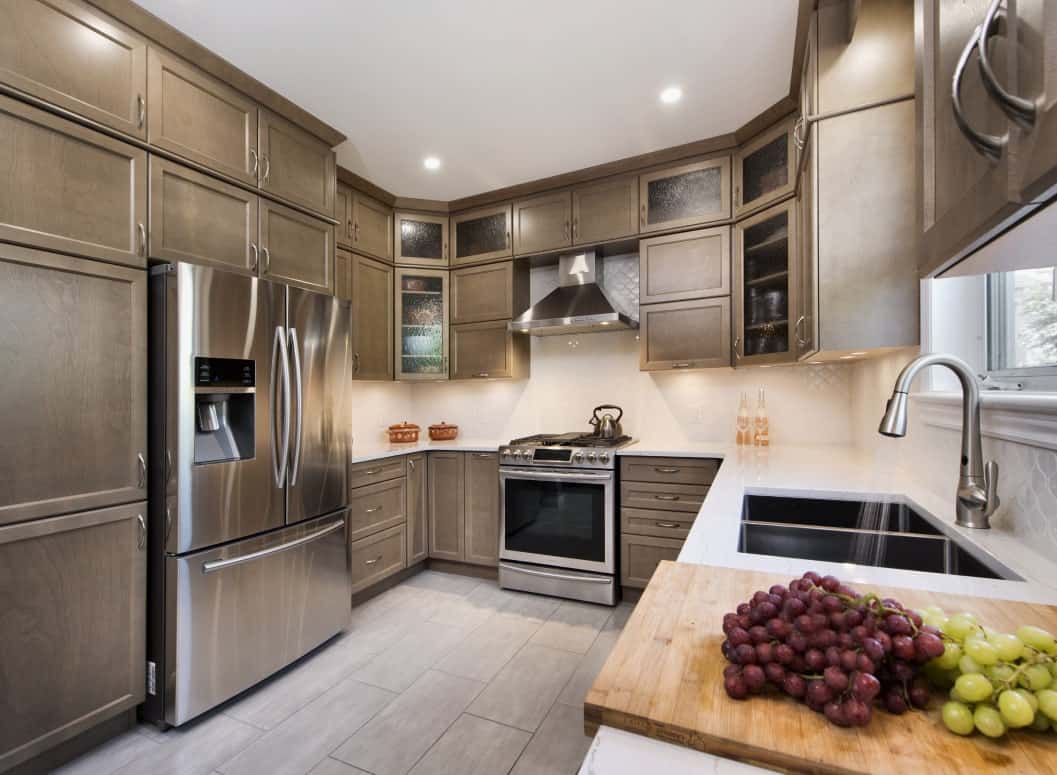
Plywood Cabinets
Plywood is another top material for kitchen cabinets, often used in mid- to high-end kitchens. It’s made by layering thin sheets of wood, glued with the grain in alternating directions for strength.
Why Plywood Works Well
- Strength: Plywood resists warping better than solid wood because of its layered construction.
- Lightweight: Easier to install and move than solid wood.
- Holds Screws: Fasteners grip well, making it good for hardware and hinges.
- Moisture Resistance: Quality plywood handles kitchen humidity.
Drawbacks
- Edge Appearance: The layered edge can show unless covered or finished.
- Price Range: High-grade plywood can be almost as expensive as solid wood.
Practical Tip
Look for cabinets with furniture-grade plywood (often called “7-ply” or “9-ply”) for the best balance of strength and appearance.
What Beginners Miss
The type of glue and wood used in plywood affects its performance. Cheaper plywood may have voids or use less moisture-resistant glue, making it a poor choice for kitchens.
Medium-density Fiberboard (mdf)
MDF is an engineered wood made from fine wood fibers and resin, pressed into panels. It’s widely used for cabinet doors and panels.
Benefits
- Smooth Surface: Perfect for painted finishes—no grain to show through.
- Affordable: Less expensive than solid wood or high-grade plywood.
- Stable: Doesn’t expand or contract much with humidity.
Downsides
- Vulnerable to Water: Swells if moisture gets in; not ideal for sink cabinets or humid climates.
- Heavy: Denser than plywood, which can make large doors sag if not supported.
- Hard to Repair: Chips are more difficult to fix than on solid wood.
Useful Example
A modern kitchen with painted shaker-style MDF doors can achieve a crisp, clean look. However, avoid using MDF near dishwashers or sinks unless well-sealed.
Less-known Fact
Higher-quality MDF with special coatings can resist moisture, but these add to the cost and are not standard in all cabinet lines.
Particle Board Cabinets
Particle board is made from wood chips and resin, pressed into sheets. It’s often used in budget kitchens and for cabinet boxes in many ready-to-assemble units.
Why People Choose It
- Low Cost: The most affordable cabinet material.
- Uniform Surface: Good for laminates and veneers.
Main Weaknesses
- Poor Moisture Resistance: Swells and breaks down if water gets in.
- Weakness: Doesn’t hold screws as well; shelves may sag under weight.
- Shorter Lifespan: More likely to chip or break with heavy use.
Practical Guidance
If you’re buying on a strict budget, particle board may work for upper cabinets, but avoid it near sinks or floors. Look for melamine-coated particle board for added protection.
Overlooked Detail
Some cabinets have a mix—particle board in sides and shelving, with plywood or MDF for doors and visible parts. Always check the full construction, not just the doors.
High-pressure Laminate Cabinets
High-pressure laminate (HPL) cabinets have a surface made by pressing layers of resin-impregnated paper onto a core, usually particle board or MDF, under heat and pressure.
Strengths
- Durable Finish: Resists scratches, stains, and fading.
- Color Variety: Huge range of colors and patterns, even wood-look options.
- Easy to Clean: Just wipe with a damp cloth.
Weaknesses
- Edge Chipping: If the laminate separates from the core, it can chip.
- Core Issues: Underlying material (particle board or MDF) is still susceptible to water.
Common Use
High-traffic kitchens, rental units, or families with kids often benefit from HPL’s toughness. It’s also popular for modern, flat-front cabinet styles.
Hidden Insight
Not all laminates are the same. High-pressure laminates are thicker and tougher than low-pressure types. Ask your supplier what type is used.
Thermofoil Cabinets
Thermofoil cabinets are made by covering MDF or particle board with a layer of vinyl film using heat and vacuum pressure.
Advantages
- Seamless Look: No visible joints; ideal for clean, modern designs.
- Affordable: Costs less than painted wood or laminate.
- Low Maintenance: Wipes clean easily.
Disadvantages
- Heat Sensitivity: Can peel or bubble if placed near ovens or toasters.
- Limited Colors: Mostly whites and neutrals, fewer bold options.
- Difficult to Repair: Damaged thermofoil cannot be refinished; replacement is the only fix.
Real-world Example
Many budget kitchen remodels use thermofoil for a white, glossy look. However, avoid placing these cabinets right next to heat-producing appliances.
Often Missed
Thermofoil cabinets may look perfect at first, but their lifespan is usually shorter than wood or high-quality laminate, especially in busy kitchens.
Stainless Steel Cabinets
Stainless steel isn’t just for commercial kitchens anymore. Modern home kitchens sometimes feature stainless steel cabinets, especially in contemporary designs.
Pros
- Hygienic: Non-porous, easy to keep clean.
- Heat and Water Resistant: Handles kitchen conditions with ease.
- Modern Look: Sleek and reflective, fits industrial or minimalist styles.
Cons
- Fingerprints and Smudges: Shows marks easily.
- Noisy: Can sound hollow or tinny when closing doors.
- Expensive: Generally costs more than wood or laminate.
When To Choose
If you want a professional, industrial look or need cabinets that can handle heavy use (for example, in a busy family kitchen or baking area), stainless steel is a strong option.
Less-known Fact
Stainless steel cabinets often use a plywood or MDF core with a steel skin, which adds strength and reduces noise.
Melamine Cabinets
Melamine is a plastic resin used to coat particle board or MDF panels. It’s common in affordable kitchens and comes in various colors and finishes.
Benefits
- Cost-Effective: One of the least expensive ways to get a clean look.
- Uniform Finish: Smooth and consistent appearance.
- Stain-Resistant: Doesn’t absorb liquids easily.
Downsides
- Edge Peeling: The coating can separate at edges if not installed well.
- Water Sensitivity: Core material can swell if exposed to water.
- Lower Durability: Prone to chipping and scratches.
Good To Know
Melamine cabinets work well in rental units or as a short-term solution. For longer life, ensure all edges and corners are sealed.
Common Mistake
Assuming all melamine is the same—quality varies by thickness, color, and edge finishing.
Veneer Cabinets
Veneer cabinets use a thin slice of real wood (the “veneer”) glued over a core of plywood, MDF, or particle board.
Why Choose Veneer
- Natural Wood Look: Achieves the beauty of wood with less cost.
- Stable: Less likely to warp than solid wood.
- Eco-Friendly: Uses less hardwood than solid wood cabinets.
Weaknesses
- Thin Surface: Can be damaged by deep scratches.
- Difficult to Refinish: Sanding must be done carefully to avoid going through the veneer.
Practical Example
Many high-end kitchens use walnut or oak veneer on cabinet doors for a rich look without the price tag of solid wood.
Overlooked Detail
The quality of the core under the veneer matters as much as the veneer itself. Low-quality cores can lead to bubbling or separation over time.
Inset Vs. Overlay Cabinet Construction
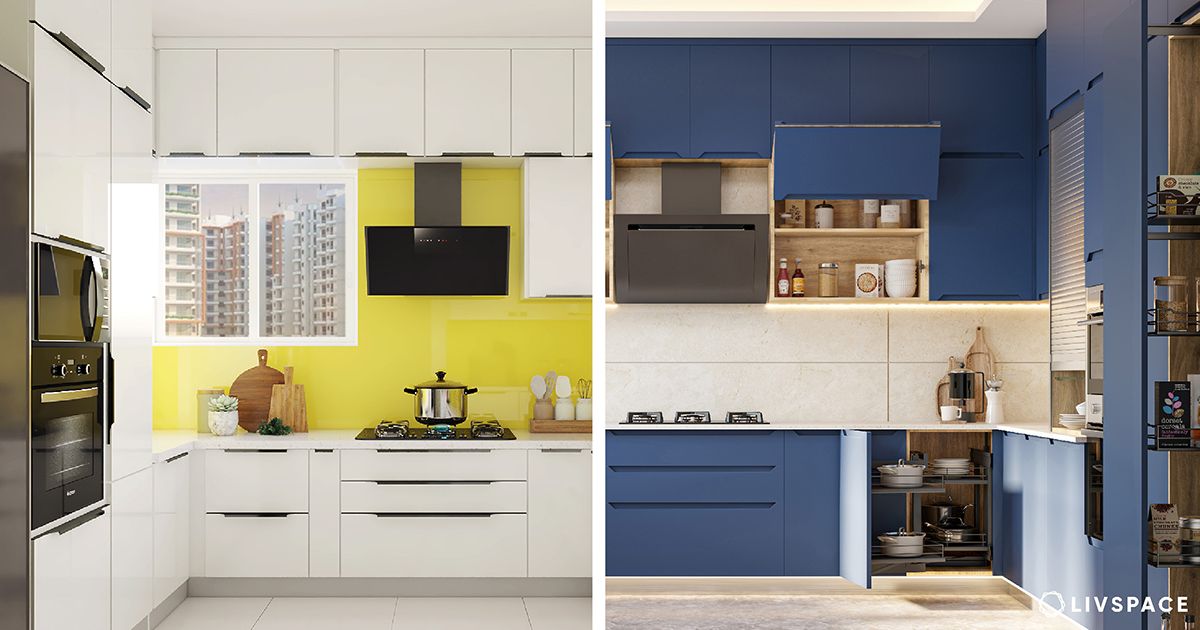
While not a material, the way your cabinets are constructed affects performance and material choice.
Inset Cabinets
Doors sit flush inside the frame, requiring precise construction. Often made from solid wood or high-quality plywood.
Overlay Cabinets
Doors sit on top of the frame, covering it partially or fully. More forgiving with materials; MDF, plywood, or even particle board can be used.
What It Means For Material
Inset cabinets usually demand stronger materials to handle the tight tolerances, while overlay styles can use a wider range of cores and surfaces.
Glass-front Cabinets
Glass isn’t used for the full cabinet, but glass-front doors are a popular feature.
Why Use Glass
- Showcase Items: Lets you display dishware or collectibles.
- Lightens the Space: Makes kitchens feel more open.
Considerations
- Frame Material: Surrounding frame is usually wood, MDF, or aluminum.
- Cleaning: Glass needs regular cleaning to stay smudge-free.
Non-obvious Insight
Choose tempered glass for extra safety—it’s less likely to shatter if bumped.
Bamboo Cabinets
Bamboo is growing in popularity as a sustainable choice. It’s technically a grass, not a wood, but it’s processed into panels much like plywood.
Advantages
- Eco-Friendly: Grows quickly and replenishes fast.
- Strong: Harder than many hardwoods.
- Unique Look: Distinct grain and warm color.
Drawbacks
- Moisture Sensitivity: Needs proper sealing to avoid swelling.
- Limited Styles: Not as many color or grain options as wood.
Good To Know
Bamboo cabinets work well in eco-conscious homes. Look for “strand-woven” bamboo for the highest durability.
Missed Detail
Some “bamboo” cabinets use only a bamboo veneer over a different core—check the construction before buying.
Acrylic Cabinets
Acrylic cabinets feature a high-gloss, reflective surface applied to MDF or plywood panels.
Strengths
- Ultra-Modern Look: Super glossy, vibrant colors possible.
- Easy to Clean: Non-porous, wipes clean easily.
- Fade-Resistant: Maintains its color even in sunlight.
Weaknesses
- Shows Smudges: Fingerprints and dust are more visible.
- Can Scratch: Surface is tough but not scratch-proof.
- Higher Cost: More expensive than laminate, less than solid wood.
Example
Used in modern kitchens to create a sleek, almost mirror-like finish. Works best for upper cabinets or islands.
Overlooked Detail
Look for “UV-cured” acrylic for better resistance to fading and surface damage.
Polyurethane Cabinets
Polyurethane is a paint or coating applied over MDF or wood, creating a hard, glossy, or matte finish.
Benefits
- Durable Finish: Resists chips and stains.
- Versatile: Available in any color and sheen level.
- Smooth Look: Hides seams and joints.
Drawbacks
- Price: Custom colors and finishes add to the cost.
- Touch-Up Difficulty: Harder to match touch-ups if chipped.
Practical Tip
Polyurethane is a strong choice for families who want a custom look with durability. For best results, choose a reputable cabinet maker.
Hidden Insight
Polyurethane is a finish, not a material by itself. The core underneath (MDF or plywood) still matters for performance.
Comparing Cabinet Materials: Strength, Cost, And More
To help you see the differences, here’s a comparison of the most popular kitchen cabinet materials based on key factors:
| Material | Durability | Moisture Resistance | Cost | Repairability | Style Range |
|---|---|---|---|---|---|
| Solid Wood | High | Medium | High | Easy | Wide |
| Plywood | High | High | Medium-High | Moderate | Wide |
| MDF | Medium | Low-Medium | Medium | Hard | Wide (painted) |
| Particle Board | Low-Medium | Low | Low | Difficult | Limited |
| Laminates | Medium-High | Medium | Medium | Hard | Very Wide |
| Thermofoil | Medium | Medium | Low-Medium | Difficult | Limited |
| Stainless Steel | High | High | High | Moderate | Modern/Industrial |
How To Choose The Right Cabinet Material For Your Kitchen
Picking the right cabinet material is about more than price or style. It’s about matching your needs, habits, and home environment.
Key Questions To Ask
- What’s your budget? Solid wood and stainless steel are top-tier. MDF, particle board, and melamine are more budget-friendly.
- How much wear will your cabinets get? Families with kids or lots of cooking need tough, easy-to-clean surfaces.
- Is moisture a concern? Kitchens with poor ventilation or near sinks need materials that resist swelling and warping.
- What’s your style? Do you want a classic wood look, a modern glossy surface, or something unique like bamboo?
- How long do you plan to stay? If you’ll sell soon, durable, attractive materials can boost resale value. For rentals or short-term use, affordability might matter more.
Practical Scenarios
- For a busy family kitchen: Go for plywood boxes with laminate or high-quality wood veneer doors.
- For a modern look: Consider acrylic or high-gloss polyurethane over MDF.
- For a rental property: Melamine or thermofoil offers a clean look with easy cleaning, but don’t expect decades of use.
- For sustainability: Bamboo or wood veneer over certified plywood is a strong, eco-friendly choice.
Common Mistakes To Avoid
- Ignoring the box material: Many cabinets advertise solid wood doors but use particle board boxes. The box material affects overall strength.
- Falling for “all-wood” marketing: “All-wood” can mean different things—ask about the core and finish.
- Overlooking hardware: High-quality hinges and drawer slides matter just as much as the cabinet material.
Cost Breakdown And What Influences Price
Cabinet prices can vary widely. Material is just one part—construction, finish, hardware, and brand all play roles.
Average Price Ranges (per Linear Foot)
- Solid Wood: $150–$500
- Plywood: $100–$300
- MDF: $70–$200
- Particle Board: $60–$150
- Laminate/Thermofoil: $80–$200
- Stainless Steel: $400–$1,200
- Bamboo: $200–$600
What Drives Cost Up Or Down
- Custom Work: Unique sizes or shapes mean more labor and waste.
- Finish Quality: Hand-applied stains or high-gloss paints cost more.
- Imported Materials: Shipping and tariffs can increase price.
- Thickness: Thicker panels are stronger but more expensive.
Real-life Example
A mid-sized kitchen (20 linear feet) with plywood boxes and wood veneer doors might cost $4,000–$7,000 installed. The same kitchen in solid cherry wood could exceed $10,000.
Maintenance Tips For Each Material
Keeping cabinets looking new isn’t just about cleaning. Different materials need different care.
| Material | Maintenance Tips |
|---|---|
| Solid Wood | Dust regularly, use mild soap, avoid standing water, refinish as needed. |
| Plywood | Clean with damp cloth, avoid harsh chemicals, check edge banding. |
| MDF | Wipe spills quickly, use gentle cleaners, avoid soaking edges. |
| Particle Board | Keep dry, wipe with soft cloth, use shelf liners for heavy items. |
| Laminates | Use non-abrasive cleaner, avoid sharp objects, check for edge chipping. |
| Thermofoil | Wipe with damp cloth, avoid heat sources, repair peeling immediately. |
| Stainless Steel | Use stainless cleaner, dry to avoid spots, polish for shine. |
Trends In Kitchen Cabinet Materials
Kitchen design trends change, but some materials are seeing more demand:
- Matte Finishes: More kitchens feature matte laminate or painted MDF for a modern look.
- Mixed Materials: Combining wood, glass, and metal for custom, layered style.
- Eco-Friendly Choices: Bamboo, reclaimed wood, and low-VOC finishes are gaining popularity.
- Open Shelving: Instead of full cabinets, some use floating shelves made from plywood or solid wood.
Non-obvious trend: Some high-end kitchens use a “furniture” look, with cabinets on legs and mixed materials, requiring careful selection for both style and durability.
Environmental And Health Considerations
Cabinet materials can affect indoor air quality and the planet.
- VOC Emissions: Some adhesives and finishes release volatile organic compounds. Look for “low-VOC” or “CARB2 compliant” labels.
- Sustainable Sources: Choose FSC-certified wood or rapidly renewable materials like bamboo.
- Recyclability: Stainless steel and some engineered woods are recyclable at end-of-life.
Practical advice: If you have allergies or want a greener home, ask about adhesives, finishes, and certifications.
Cabinet Material Myths And Marketing Tricks
The cabinet industry has its share of confusing terms. Here’s what to watch for:
- “All-Wood”: Often means a mix of solid wood and plywood, not 100% hardwood.
- “Solid Construction”: Can refer to strong joinery, not necessarily solid wood.
- “Lifetime Warranty”: Usually covers only manufacturer defects, not wear and tear.
- Imported Cabinets: Lower cost can mean thinner panels or lower-grade materials. Always check samples.
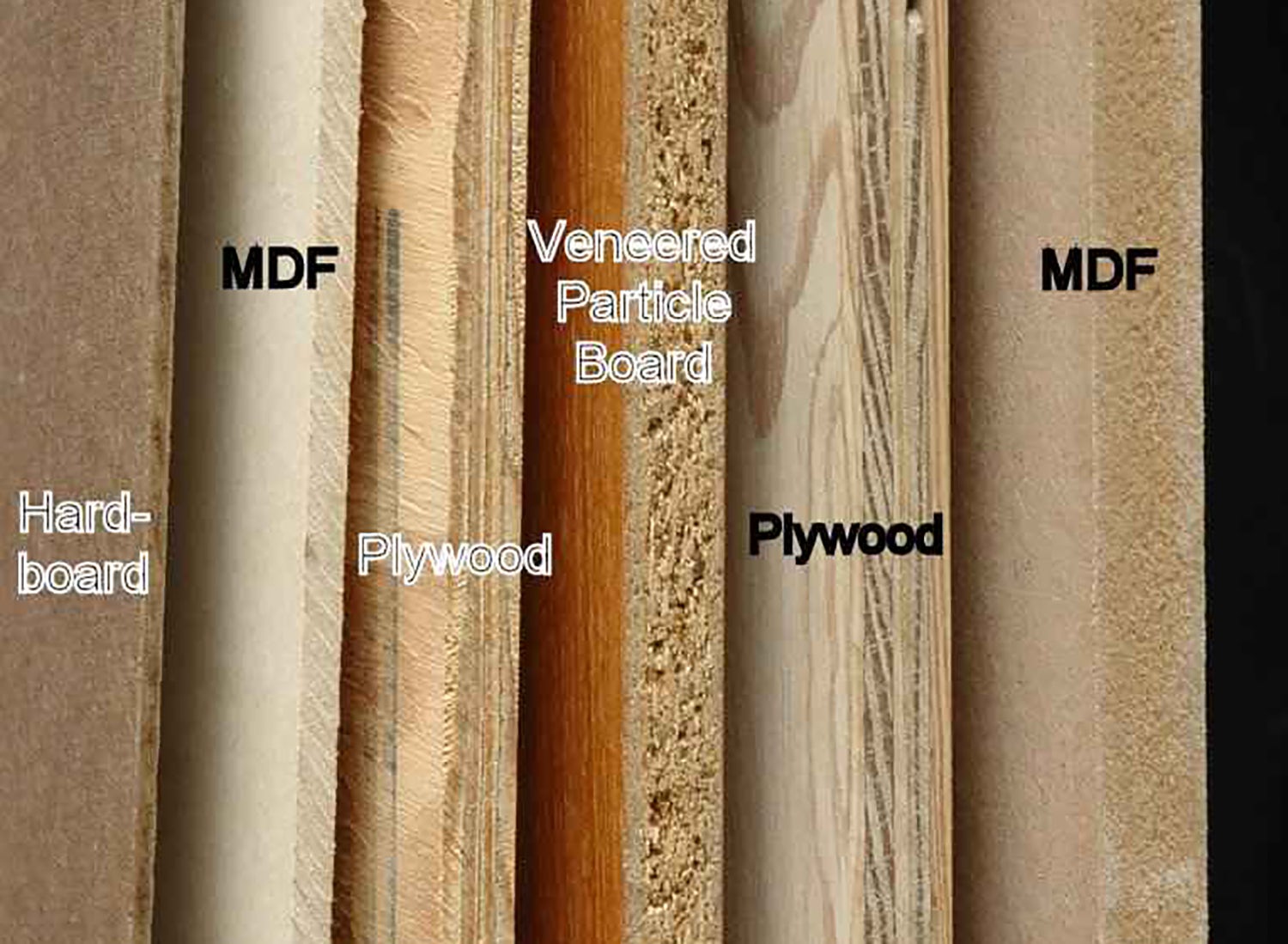
Less-known tip: Always ask to see a cross-section of the cabinet box and door to understand what you’re really buying.
How Cabinet Material Affects Installation
Installation isn’t the same for every material.
- Solid wood and plywood: Hold screws best, making installation easier and sturdier.
- MDF and particle board: More likely to split if over-tightened; installers need care.
- Heavy materials: Large MDF or acrylic doors require strong hinges to prevent sagging.
What most miss: Cheap boxes can hide poor joinery. Good cabinets use dovetail or dowel construction, not just staples or glue.
Sample Kitchen Cabinet Material Combinations
Many kitchens use a blend of materials for cost, performance, and style. Here are common combinations:
- Plywood boxes with solid wood doors: Offers strength and a premium look with some savings.
- MDF doors with plywood boxes: Good for painted cabinets.
- Particle board boxes with laminate doors: A budget-friendly choice.
- Bamboo veneer on plywood core: Combines eco-friendly style with durability.
- Glass inserts in solid wood frames: Adds visual interest to upper cabinets.
Pro tip: Pay attention to areas like sink bases and trash pullouts—these see more moisture and need tougher material.
Real-world Case Study
A busy family renovated their kitchen on a mid-range budget. They chose furniture-grade plywood for cabinet boxes and maple veneer doors, topped with a water-based polyurethane finish. Five years later, the cabinets showed minimal wear, even with two kids and a dog. Their main regret? Not upgrading the sink base to solid wood, which showed some swelling after a leak. This shows the value of mixing materials for the best performance in each kitchen zone.
Where To Learn More
For those wanting to go deeper on kitchen cabinet materials, the Wikipedia Kitchen Cabinet page offers a comprehensive overview and history of cabinet types, materials, and construction methods.
Frequently Asked Questions
What Is The Most Durable Material For Kitchen Cabinets?
Solid wood and high-grade plywood are the most durable choices. They resist wear, hold hardware well, and can be repaired or refinished. Stainless steel is also extremely durable but less common in homes.
Are Mdf Cabinets Good For Kitchens?
MDF works well for painted doors and panels but isn’t ideal for areas with high moisture, like near sinks. It provides a smooth surface and is stable but can swell if water gets into joints or edges.
Is Particle Board A Bad Choice For Kitchen Cabinets?
Particle board is affordable but less durable and moisture-resistant than plywood or MDF. It’s best for low-traffic areas or short-term use. For longevity, invest in plywood or solid wood for cabinet boxes.
How Do I Identify Quality Kitchen Cabinets?
Check for thick panels, solid joinery (like dovetail or dowel construction), and quality hardware. Open a cabinet and look at the material inside and on the back. Ask about the core, not just the surface.
Can I Mix Cabinet Materials In My Kitchen?
Yes, mixing materials is common and practical. For example, use solid wood or veneer for visible doors and plywood for boxes. This balances cost, durability, and style.
Final Thoughts
Choosing the best material for kitchen cabinets means more than just picking a pretty finish. It’s about finding a blend of strength, style, and value that fits your kitchen’s needs. Each material has its role—solid wood for classic beauty, plywood for strength, laminates and thermofoil for easy care, and MDF for smooth, painted looks. Don’t be swayed by marketing labels alone. Instead, look for well-constructed cabinets with quality materials where it matters most. With the right choices, your kitchen can look good and work well for years, making every meal and gathering a little brighter.