Many people love makeup for its ability to enhance beauty and boost confidence. But at the end of a long day, the most important step is to remove makeup properly. Leaving makeup on overnight can cause breakouts, irritation, and even speed up aging. Finding the best makeup remover is not just about convenience—it’s about protecting your skin’s health.
With so many products in stores, it’s easy to feel lost. Should you use wipes, oil, micellar water, or balm? Is there a difference between removing waterproof mascara and regular foundation? And what about sensitive skin, or allergies? This guide explores everything you need to know about the best makeup removers, so you can choose the right one for your needs. You’ll learn about different types, the top products for each, how to use them, and tips for keeping your skin clean and healthy. Whether you have oily, dry, sensitive, or combination skin, you’ll find answers here.
Why Makeup Removal Is Essential
Every day, your skin faces pollution, sweat, sunscreen, and makeup. If you don’t clean your face at night, these layers can clog pores and cause breakouts. Even if you don’t wear heavy makeup, your skin still collects dirt and oil throughout the day. Makeup removers are designed to break down cosmetics, sunscreen, and dirt, making it easier for your cleanser to do its job. A good remover also helps prevent premature aging by reducing free radicals, which can break down collagen.
What many people don’t realize is that makeup left overnight can also slow down the skin’s natural repair process. At night, your skin works to renew itself. When pores are blocked by makeup, this process is interrupted, leading to dullness and uneven texture.
Over time, this can make fine lines and wrinkles appear sooner.
Dermatologists agree that double cleansing—using a makeup remover followed by a face wash—is the gold standard for skin hygiene. This approach ensures that both surface makeup and deeper impurities are removed. Even if you use lightweight or “natural” makeup, cleaning your skin thoroughly is vital for skin repair and moisture balance. Skipping this step once in a while might not cause instant damage, but over months or years, it adds up.
Another overlooked benefit: properly cleaned skin allows your night creams, serums, or acne treatments to work better. If you apply skincare products over leftover makeup, they can’t absorb properly, so you don’t get the full benefit.
Types Of Makeup Removers: Understanding The Options
The best makeup remover for you will depend on your skin type, makeup habits, and preferences. Here are the main categories and how they work:
Micellar Water
This gentle liquid contains tiny oil molecules, called micelles, that trap dirt and makeup. It’s ideal for sensitive skin and light makeup. No rinsing is required, making it great for travel or late nights.
Micellar water has become popular because of its simplicity. For busy people, it’s a lifesaver: just soak a cotton pad and swipe. It’s also great for fixing makeup mistakes—like smudged eyeliner—without disturbing the rest of your look. However, if you wear heavy foundation or waterproof mascara, you may need to follow up with another remover or a cleanser.
Cleansing Oils
Cleansing oils use oil to dissolve makeup, including waterproof products. Oil attracts oil, so this is excellent for removing heavy or long-wearing makeup. Many formulas turn milky when water is added, making them easy to rinse off.
Cleansing oils are especially popular in Korean and Japanese skincare routines. They often contain nourishing ingredients like jojoba, sunflower, or grapeseed oil, which can help balance the skin. Many people with oily skin worry that oil cleansers will make them break out.
In fact, the right oil can help dissolve excess sebum and clear pores when rinsed properly.
Cleansing Balms
These are solid-to-oil formulas that melt upon contact with skin. Balms are rich and effective for stubborn makeup, but can feel heavy on oily skin. They’re often packed with soothing ingredients.
Cleansing balms have a luxurious texture and are perfect for dry or mature skin. They often come in a jar, so you scoop out a small amount and warm it up between your fingers before applying. Some balms also include mild exfoliants—like fruit enzymes—to help smooth the skin as you remove makeup.
Makeup Wipes
Convenient and portable, makeup wipes are single-use cloths soaked with cleanser. They’re handy but often not as thorough as liquids or balms. Some wipes can irritate sensitive skin if used daily.
Makeup wipes are a favorite for travel, late nights, or when you’re too tired for a full routine. However, they often leave a thin film on the skin, which can clog pores or cause sensitivity over time. Wipes are best for emergency use, not every day.
Some dermatologists warn that using wipes alone can push makeup deeper into pores.
Bi-phase Removers
These have two layers: oil and water. You shake the bottle to mix them. This type is best for waterproof mascara and long-wear lipsticks. They’re often gentle on the delicate eye area.
Bi-phase removers are a must if you love bold eye looks or matte liquid lipsticks. The oil phase breaks down stubborn formulas, while the water phase soothes and refreshes. Many brands add soothing ingredients like cornflower or chamomile to prevent stinging.
Cream And Lotion Removers
Creams and lotions remove makeup while moisturizing the skin. They’re good for dry or mature skin and can be rinsed or wiped away.
Many people enjoy cream removers in winter, when skin feels tight. They are also a gentle choice for older adults, whose skin naturally loses moisture and elasticity. Some cream cleansers double as moisturizer, so they’re good for minimal routines.
Gels And Foams
These are less common, but some gels are designed for sensitive eyes or as part of a double cleanse.
Gel removers can be refreshing, especially in hot weather. Some are formulated to cool and calm the skin, making them ideal for redness or irritation. Foaming formulas are more drying, so they’re usually best for oily or combination skin.
How To Choose The Best Makeup Remover For Your Skin Type
Different skin types react differently to makeup removers. Here’s what to consider:
For Oily Or Acne-prone Skin
Look for non-comedogenic, oil-free options. Micellar water or gel-based removers are usually best. Avoid very rich balms unless formulated for oily skin.
Some cleansing oils are specially made for acne-prone skin and include ingredients like tea tree or salicylic acid. These oils don’t clog pores and can actually help balance excess sebum. However, avoid coconut oil if you’re acne-prone, as it can be comedogenic for some people.
For Dry Or Mature Skin
Choose hydrating options like cleansing balms, oils, or creams. These will remove makeup without stripping natural moisture.
A common mistake: using foaming or alcohol-based removers on dry skin. These can make flakiness worse. Look for products with added glycerin, squalane, or ceramides to boost hydration. Cream-based removers can also double as a gentle massage, helping to improve blood flow and skin texture.
For Sensitive Skin
Pick fragrance-free, alcohol-free, and hypoallergenic products. Micellar water and some gentle bi-phase removers work well.
Some sensitive skin products also contain anti-inflammatory ingredients like oat extract or calendula. Always do a patch test with new products, as even “gentle” formulas can cause reactions for some people. Avoid mechanical scrubbing or wipes, which can worsen redness.
For Combination Skin
You can use most types, but avoid anything too rich on oily areas and too drying on cheeks.
A practical approach: use different removers on different parts of your face. For example, a cleansing balm on cheeks and a micellar water or gel on the T-zone. Listen to your skin and adjust as seasons change.
For Heavy Or Waterproof Makeup
Oil-based removers and bi-phase formulas are your best bet. Wipes and micellar water may not be enough for waterproof mascara or long-lasting lipstick.
If you wear stage or theatrical makeup, you may need specialized removers designed for heavy pigments. Always check the instructions—some removers are not meant for use around the eyes.
Top 15 Best Makeup Removers For Every Need
Let’s dive into the best products available, covering a range of formulas and price points. Each one stands out for its effectiveness, gentleness, and value.
1. Bioderma Sensibio H2o Micellar Water
This French pharmacy staple is a favorite worldwide. It gently lifts makeup, dirt, and oil without rubbing. Ideal for sensitive skin, it’s fragrance-free and doesn’t sting the eyes. One bottle is sold every two seconds globally—a sign of its popularity.
Many makeup artists keep this in their kits because it works fast and doesn’t require rinsing, making it a backstage essential.
2. Clinique Take The Day Off Cleansing Balm
This fragrance-free balm melts into an oil to dissolve stubborn makeup. It’s safe for eyes and doesn’t leave residue. Suitable for all skin types, it’s especially loved for removing sunscreen and waterproof mascara. A little goes a long way, and the jar lasts for months.
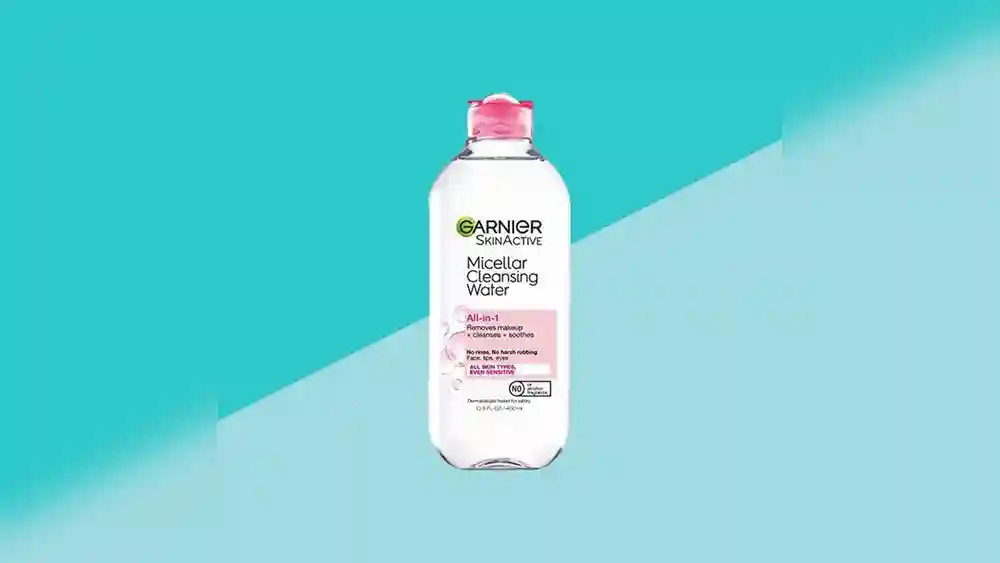
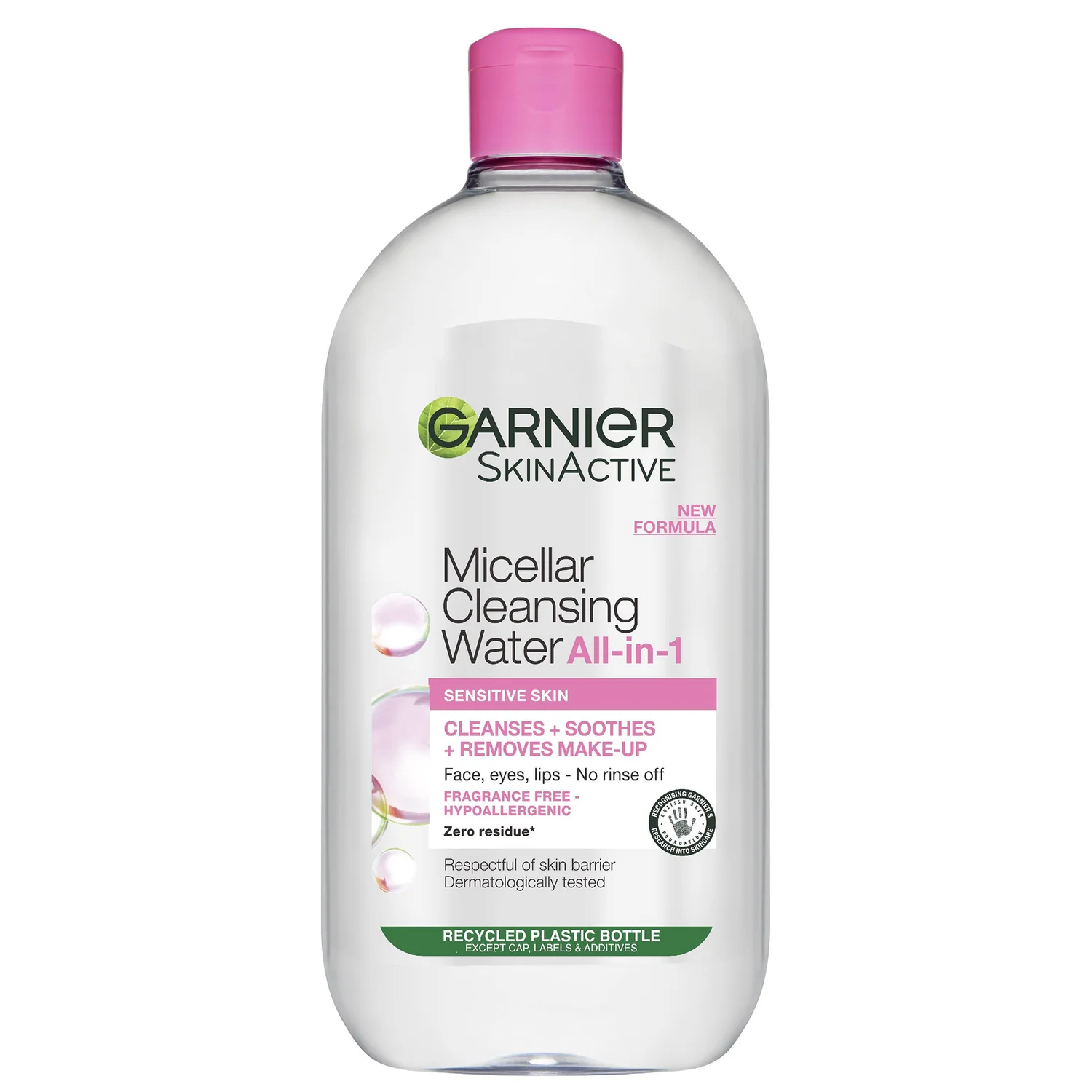
3. Garnier Skinactive Micellar Cleansing Water
Affordable and effective, Garnier’s micellar water removes makeup without harsh chemicals. It’s suitable for face, lips, and eyes. Dermatologist-tested, it’s a go-to for sensitive skin and daily use. Garnier offers versions for oily skin, with added mattifying agents, and for waterproof makeup.
4. Dhc Deep Cleansing Oil
A cult classic from Japan, this olive oil-based formula breaks down even the toughest makeup. It rinses clean without clogging pores. Great for dry or normal skin, it’s enriched with vitamin E for extra nourishment. People with sensitive skin often find this oil less irritating than some Western brands.
5. Neutrogena Oil-free Eye Makeup Remover
This bi-phase remover tackles waterproof eye makeup without tugging. Shake before use, apply to a cotton pad, and sweep away mascara and liner easily. Ophthalmologist-tested and safe for contact lens wearers. It leaves no greasy residue and is a drugstore favorite.
6. Banila Co Clean It Zero Cleansing Balm Original
A K-beauty favorite, this sherbet-textured balm melts into oil on contact. It removes makeup while brightening skin with vitamin C and papaya extract. It’s gentle enough for daily use. The formula is hypoallergenic and comes in travel-friendly mini sizes.
7. Simple Kind To Skin Cleansing Facial Wipes
These wipes are alcohol- and fragrance-free, making them a safe option for sensitive skin. They remove light makeup and are handy for travel, though not for heavy or waterproof products. The wipes are soft and don’t tear easily, which helps minimize irritation.
8. Lancome Bi-facil Double-action Eye Makeup Remover
Luxury meets performance here. This bi-phase formula removes waterproof and long-wear eye makeup without leaving an oily residue. Suitable for sensitive eyes. It’s often recommended by makeup artists for bridal or photoshoot makeup.
9. La Roche-posay Micellar Water Ultra
This French brand’s micellar water is especially gentle, with thermal spring water to soothe sensitive skin. It removes pollution particles and makeup, leaving skin comfortable. The formula is also free from parabens and sulfates, making it a dermatologist favorite.
10. Farmacy Green Clean Makeup Meltaway Cleansing Balm
Packed with natural ingredients like sunflower oil and papaya enzymes, this balm dissolves makeup and exfoliates gently. It rinses off easily and leaves skin soft. Many users love the fresh scent and the recyclable packaging.
11. Sephora Collection Waterproof Eye Makeup Remover
Affordable and effective, this bi-phase remover erases waterproof mascara and long-lasting liner. It’s enriched with cornflower extract to soothe the eye area. The formula is non-greasy and suitable for sensitive eyes.
12. Almay Oil-free Gentle Eye Makeup Remover Pads
Pre-soaked pads make eye makeup removal quick. They’re oil-free, hypoallergenic, and suitable for sensitive eyes. Great for travel or gym bags. The pads are textured to help lift stubborn makeup without rubbing.
13. Pond’s Cold Cream Cleanser
A classic since the 1940s, this cream removes even heavy makeup while moisturizing skin. It can be tissued off or rinsed. Especially loved by those with dry skin. Many people also use it as a hydrating mask in winter.
14. Drunk Elephant Slaai Makeup-melting Butter Cleanser
This rich balm is packed with fruit extracts and oils. It transforms from a solid to a silky oil, washing away sunscreen, makeup, and pollution. Free from fragrance and essential oils. The included spatula helps keep the jar sanitary.
15. Makeup Eraser Reusable Cloth
No liquid remover required! This microfiber cloth removes makeup with just water. Washable and eco-friendly, it’s a sustainable choice for those who want to reduce waste. One cloth can replace thousands of wipes over its lifetime.
Comparing Popular Makeup Remover Types
To help you decide, here’s a side-by-side look at how the main types stack up:
| Type | Best For | Key Pros | Possible Cons |
|---|---|---|---|
| Micellar Water | Sensitive, all skin types | Gentle, no rinse, versatile | May not remove waterproof makeup fully |
| Cleansing Oil | Heavy, waterproof makeup | Dissolves long-wear products, nourishing | Can feel heavy for oily skin |
| Cleansing Balm | Dry, sensitive skin | Moisturizing, removes tough makeup | May clog pores if not rinsed well |
| Bi-Phase Remover | Waterproof eye/lip makeup | Effective, gentle on eyes | Oily residue possible |
| Makeup Wipes | On-the-go, quick fixes | Convenient, portable | Not as thorough, can irritate skin |
Extra tip: If you often switch between heavy and light makeup days, keeping two types (such as micellar water and a balm) can save time and reduce overuse of harsher formulas.
How To Use Makeup Remover The Right Way
Using a good product is only half the story. Proper technique makes a big difference for skin health. Here’s how to get the most out of your remover:
- Start with dry hands and a dry face (for oils/balms): Massage the remover onto your skin using gentle, circular motions. This helps break down makeup without tugging. Spend at least 30 seconds massaging, especially around the nose and hairline.
- For micellar water or bi-phase removers, soak a cotton pad and press it gently onto the area (especially eyes or lips). Hold for a few seconds before wiping, so the product can dissolve makeup. This step prevents rubbing and reduces lash loss.
- Don’t rub harshly. Use soft, upward strokes to avoid stretching the skin, especially around the delicate eye area.
- Double cleanse. After removing makeup, wash your face with a gentle cleanser to remove all traces of product and residue. This is important for acne-prone skin.
- Rinse thoroughly. Even if the remover says “no rinse,” it’s a good idea to splash your face with water to refresh your skin and remove any leftover product.
- Follow with moisturizer. After cleansing, always apply a good moisturizer to lock in hydration. You can add toner or serum before moisturizer, if you use them.
Common Mistakes To Avoid
- Using wipes as your only remover: Wipes can leave residue behind. Use them for emergencies, but not daily.
- Rubbing or scrubbing: This can cause irritation, redness, and wrinkles.
- Skipping the second cleanse: Makeup removers break down products, but a cleanser removes what’s left.
- Not removing eye makeup fully: Leftover mascara or liner can lead to eye irritation and infection.
- Neglecting the hairline and jawline: Makeup often collects here, so pay extra attention.
- Using hot water: Hot water strips natural oils and can worsen redness. Use lukewarm water instead.
Non-obvious insight: If you have eyelash extensions, avoid oil-based removers as they can break down the glue. Use only recommended formulas for extensions.

Ingredients To Look For (and To Avoid)
Not all removers are created equal. Some ingredients can help your skin, while others may cause problems.
Beneficial Ingredients
- Glycerin: Hydrates and softens skin.
- Aloe Vera: Soothes and calms irritation.
- Vitamin E: Protects and nourishes.
- Chamomile or calendula: Reduce redness and sensitivity.
- Squalane: Adds moisture without clogging pores.
- Green tea extract: Offers antioxidant and anti-inflammatory benefits.
Ingredients To Avoid
- Alcohol (denatured): Can dry and irritate skin.
- Fragrance: May cause allergic reactions, especially on sensitive skin.
- Harsh surfactants: Like sodium lauryl sulfate (SLS), which can strip moisture.
- Parabens or formaldehyde releasers: Some people prefer to avoid these for health reasons.
- Mineral oil: Can clog pores for some people, though not everyone is sensitive to it.
Reading the label is important. Look for products tested by dermatologists, especially if you have sensitive or reactive skin. If you have allergies, scan for essential oils or botanical extracts that may trigger a reaction.
Practical tip: The fewer ingredients, the lower the risk of irritation. Simple formulas are often the safest for sensitive skin.
The Science Of Removing Waterproof Makeup
Removing waterproof or long-wear makeup is a challenge. These formulas are designed to resist sweat, tears, and oil, so standard cleansers may not work. The best makeup removers for this job use oil-based ingredients or a bi-phase formula. Oil dissolves the waxes and polymers that make waterproof makeup stick.
For example, waterproof mascara contains film-forming agents that bind to lashes. A regular cleanser may just smear it around. An oil-based remover surrounds each lash, breaking down the coating so it slides off without harsh rubbing.
It’s important to let the remover sit for 10–15 seconds on your lashes or lips, to give it time to work. Rushing this step is one reason many people struggle with leftover smudges.
Another tip: Use a cotton swab dipped in remover for the lash line or stubborn corners. This prevents overuse of product and reduces waste. Waterproof lipsticks may also need a two-step process—first with oil, then with a gentle scrub or balm.
Non-obvious insight: If you regularly wear waterproof makeup, consider using a gentle exfoliating mask once a week to prevent buildup and keep your skin clear.
Natural And Diy Makeup Remover Options
Some people prefer to avoid chemicals and opt for natural solutions. There are several safe, effective options:
- Coconut oil: Melts away even waterproof makeup. Apply a small amount, massage, then wipe with a warm damp cloth.
- Olive oil: Works similarly to coconut oil. Good for dry skin but may clog pores for some.
- Aloe vera gel mixed with a little olive oil: Gentle and soothing for sensitive skin.
- Cucumber juice: Mild and refreshing, though not strong enough for heavy makeup.
- Milk or yogurt: Lactic acid in milk helps dissolve makeup and gently exfoliate.
While natural oils can be great, they may not suit everyone—especially those with acne-prone or oily skin. Always do a patch test first. Store homemade removers in the fridge and use within a few days to avoid bacteria growth.
Extra tip: Use a soft, clean cloth for natural removers to avoid spreading bacteria.
Eco-friendly And Sustainable Choices
The beauty industry creates a lot of waste, especially with single-use wipes and cotton pads. If you want to reduce your environmental impact, consider:
- Reusable makeup remover pads: These can be washed and reused hundreds of times.
- Makeup remover cloths: Like the Makeup Eraser, which works with just water.
- Biodegradable wipes: Made from plant fibers, they break down more quickly in landfills.
- Refillable bottles: Some brands now offer refills to cut plastic waste.
- Bulk buying: Larger bottles reduce packaging waste.
An often-missed tip: using a gentle face cloth with your regular cleanser can remove light makeup, reducing the need for extra products. Washing your cloths in hot water keeps them hygienic.
Best Practices For Eye And Lip Makeup Removal
The eye and lip areas are delicate, with thinner skin. Using the wrong remover or technique can cause redness, stinging, or even tiny wrinkles. Here’s how to protect these sensitive zones:
For Eye Makeup
- Use a bi-phase remover or gentle micellar water.
- Soak a cotton pad and press it over closed eyes for 10–15 seconds before wiping.
- Use a cotton swab dipped in remover to clean along the lash line.
- Avoid using strong oils or scrubbing motions.
- Always use a fresh pad for each eye to prevent the spread of bacteria.
For Lip Makeup
- Use a remover designed for waterproof or long-wear products.
- Gently wipe, don’t rub, to prevent irritation or chapping.
- Follow with a hydrating lip balm.
Contact lens wearers should always check that their remover is ophthalmologist-tested.
Non-obvious insight: If you use matte liquid lipsticks, apply a thin layer of balm before the lipstick. This makes removal easier without compromising wear time.
Makeup Remover For Different Budgets
There’s a makeup remover for every price range. Here’s a look at how top picks compare:
| Product | Type | Approx. Price (USD) | Best For |
|---|---|---|---|
| Garnier Micellar Water | Micellar Water | $9 (400ml) | Daily use, sensitive skin |
| Simple Wipes | Wipes | $6 (25 wipes) | On-the-go, travel |
| Clinique Balm | Cleansing Balm | $36 (125ml) | All skin types, heavy makeup |
| Makeup Eraser Cloth | Reusable Cloth | $20 (single cloth) | Eco-friendly, all makeup types |
| La Roche-Posay Micellar | Micellar Water | $18 (200ml) | Sensitive, reactive skin |
Non-obvious insight: Many drugstore products use the same micellar technology as luxury brands, so you don’t always need to spend more for good results. The real difference can be in fragrance, bottle quality, or added skincare ingredients.
Another tip: Buying in larger sizes and refilling smaller bottles saves money and plastic.
Makeup Remover And Skin Conditions
If you have specific skin concerns, the right remover can make a big difference.
For Acne-prone Skin
Choose non-comedogenic and oil-free formulas. Avoid coconut or mineral oils. Look for added ingredients like salicylic acid for gentle exfoliation. Products with zinc or niacinamide can also help soothe breakouts.
For Eczema Or Rosacea
Use fragrance-free, hypoallergenic products. Micellar water and some balms with soothing agents are best. Avoid wipes and harsh surfactants.
For Aging Skin
Creams and balms with added antioxidants or peptides help protect and nourish. Removing makeup gently prevents stretching and new wrinkles.
For Allergies
Always do a patch test. Even “natural” ingredients can cause reactions. If you have a history of allergies, keep a list of safe ingredients and bring it when shopping.
Practical tip: If you notice stinging, redness, or breakouts after using a new remover, stop immediately and consult a dermatologist. Switching to a simpler formula often solves the problem.
How Often Should You Use Makeup Remover?
You should use a makeup remover every time you wear makeup—even if it’s just a little tinted moisturizer or sunscreen. If you don’t wear makeup daily, you may still need a gentle remover to clear sunscreen and pollution before bedtime.
Double cleansing at night is enough. In the morning, a mild cleanser or water rinse is usually all you need. Over-cleansing can dry out your skin and disrupt its natural barrier, so stick to what your skin needs.
Non-obvious insight: If you live in a polluted city or sweat a lot, a gentle makeup remover can help keep pores clear even on makeup-free days.
Frequently Asked Questions
What Is The Difference Between Makeup Remover And Facial Cleanser?
Makeup remover is designed to break down and lift away cosmetics, sunscreen, and surface dirt. Facial cleanser goes a step further, cleaning deeper into pores and removing what’s left behind. Using both gives your skin a complete clean.
Can I Use Baby Wipes Instead Of Makeup Remover Wipes?
Baby wipes are not the same as makeup remover wipes. They are made for cleaning baby skin, not for dissolving makeup. Baby wipes may not remove waterproof products and can leave residue. For best results, use wipes made specifically for makeup.
Is Micellar Water Safe For Daily Use?
Yes, micellar water is gentle enough for daily use and works for most skin types. Make sure to choose a formula without added alcohol or fragrance if you have sensitive skin.
Do I Need To Wash My Face After Using Makeup Remover?
Yes, it’s best to follow makeup remover with a gentle cleanser. This ensures that all traces of makeup, oil, and remover are rinsed away, helping to prevent clogged pores and breakouts.
What Is The Most Eco-friendly Way To Remove Makeup?
Reusable options like the Makeup Eraser cloth or washable cotton pads are the most eco-friendly. They reduce waste and work with water or your favorite liquid remover. Look for biodegradable wipes and recyclable packaging for a greener routine.
For more detailed information and scientific backing, you can also check out the American Academy of Dermatology.
Removing makeup is more than a beauty ritual—it’s essential for healthy skin. The best makeup remover for you will suit your skin type, lifestyle, and values. By choosing the right formula and using it correctly, you’ll keep your skin clear, comfortable, and glowing.
Your nighttime routine is a gift to your future self; make it count.