
Best Kitchen Lights Ceiling
Good lighting can change how you feel and work in your kitchen. The right ceiling lights help you cook, clean, and enjoy meals with family. They also add style and make your space look bigger or cozier. But how do you choose the best kitchen lights ceiling for your home? The options can be confusing. There are so many types, designs, and features. Some lights are bright and practical, while others are soft and decorative. Budget, installation, and energy use also matter.
This guide will help you find the best kitchen ceiling lights for your needs. We will look at popular types, key features, and what really makes a difference in daily use. You will learn about installation, smart lighting, and even common mistakes people make.
There are also tips for choosing the right light for your kitchen size and style. By the end, you’ll know how to pick lights that look great and work well for your family.
What Makes A Great Kitchen Ceiling Light
Not every light is the same. The best kitchen ceiling lights give you enough brightness, fit your kitchen’s look, and last a long time. Here are some important things to think about:
Brightness and Coverage: You need enough light for safe cooking and cleaning. Most kitchens do well with 3,000 to 4,000 lumens in total. If your kitchen is big, you might need more.
Color Temperature: Kitchen lights should show food and surfaces in natural colors. Many experts suggest a color temperature between 3,000K (warm white) and 4,000K (cool white). This is bright but not harsh.
Energy Efficiency: LED ceiling lights use less electricity and last years longer than old bulbs. They stay cool, save money, and are better for the planet.
Design and Shape: The light should match your kitchen style. Flat panels look modern. Chandeliers add classic charm. Flush mounts save space in small rooms.
Easy to Clean: Kitchen lights can get greasy. Choose designs that are simple to wipe down.
Dimmability: Dimmable lights let you change the mood. Bright for cooking, softer for eating or relaxing.
Installation: Some lights are easy to mount yourself. Others need an electrician. Check what is best for your skills.
Smart Features: Newer lights can connect to apps or smart speakers. You can change colors or brightness without touching a switch.
Main Types Of Kitchen Ceiling Lights
Every kitchen is unique, so the “best” ceiling light depends on your needs. Here are the most common types and where they work best.
Flush Mount Ceiling Lights
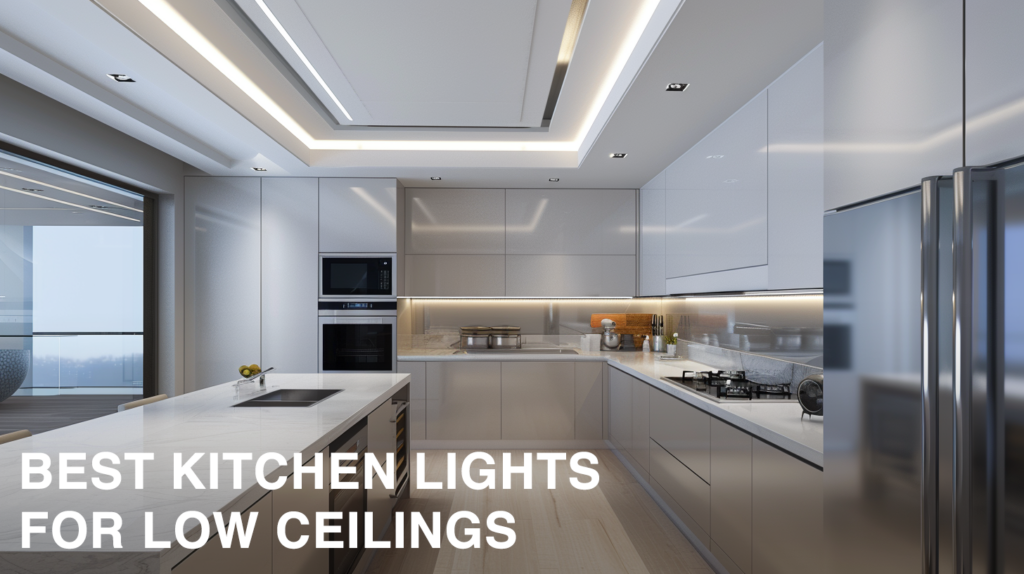
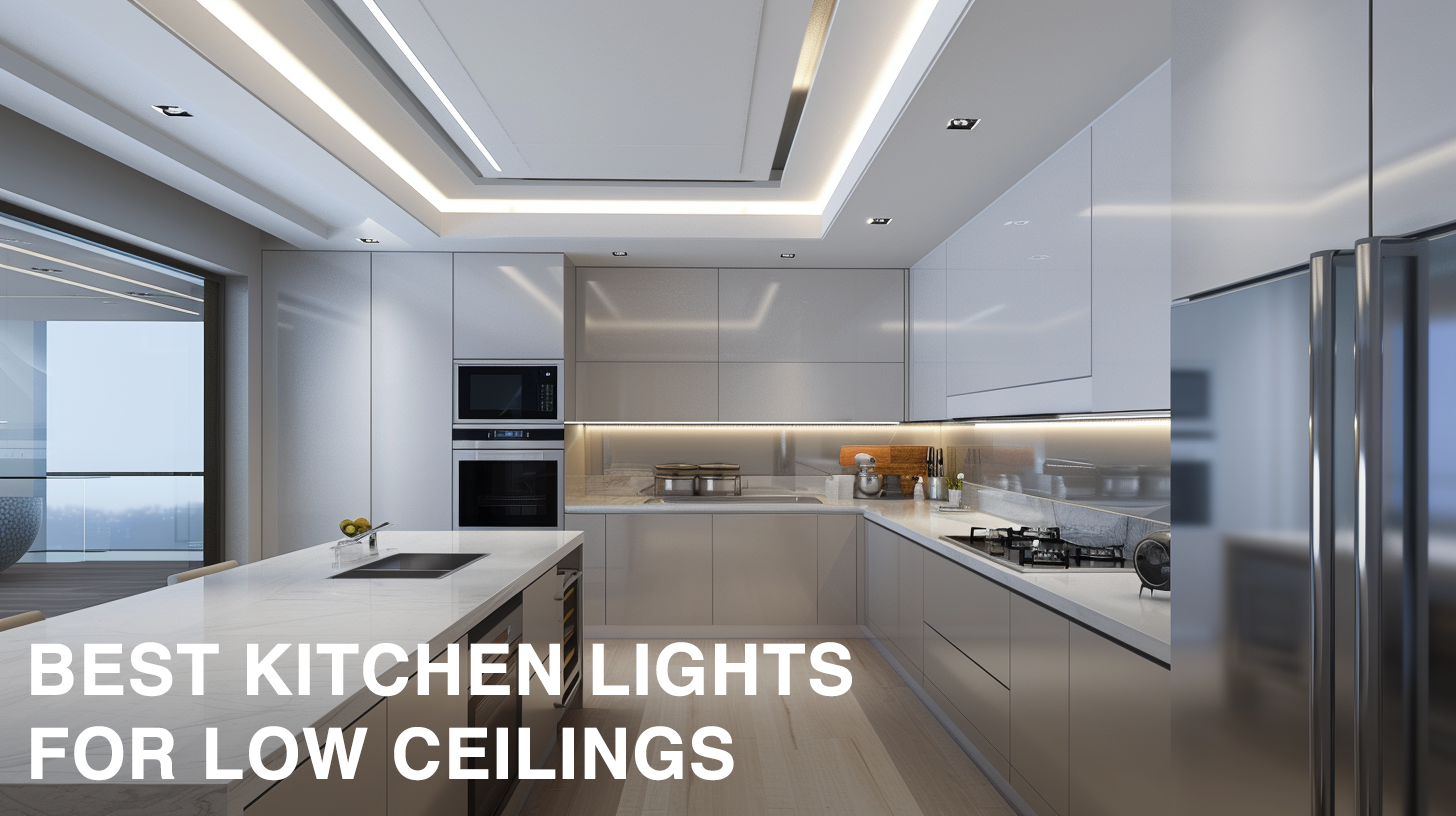
These lights sit close to the ceiling. They are a favorite for kitchens with low ceilings or not much space. Flush mounts spread light evenly and are easy to clean.
Pros:
- Simple, safe, and practical
- Great for small kitchens or apartments
- Many styles, from simple to stylish
Cons:
- Not as dramatic as hanging lights
- Less light direction control
Example: A classic round LED flush mount (14-18 inch) can light most kitchens well.
Semi-flush Mount Ceiling Lights
Semi-flush lights hang just a little below the ceiling, usually 4-8 inches. They offer a bit more style and can use bigger bulbs.
Pros:
- Good for mid-sized kitchens
- More design options
- Can highlight the ceiling
Cons:
- Not ideal for very low ceilings
- May collect more dust
Example: Many semi-flush lights come with glass or metal shades that direct light down and out.
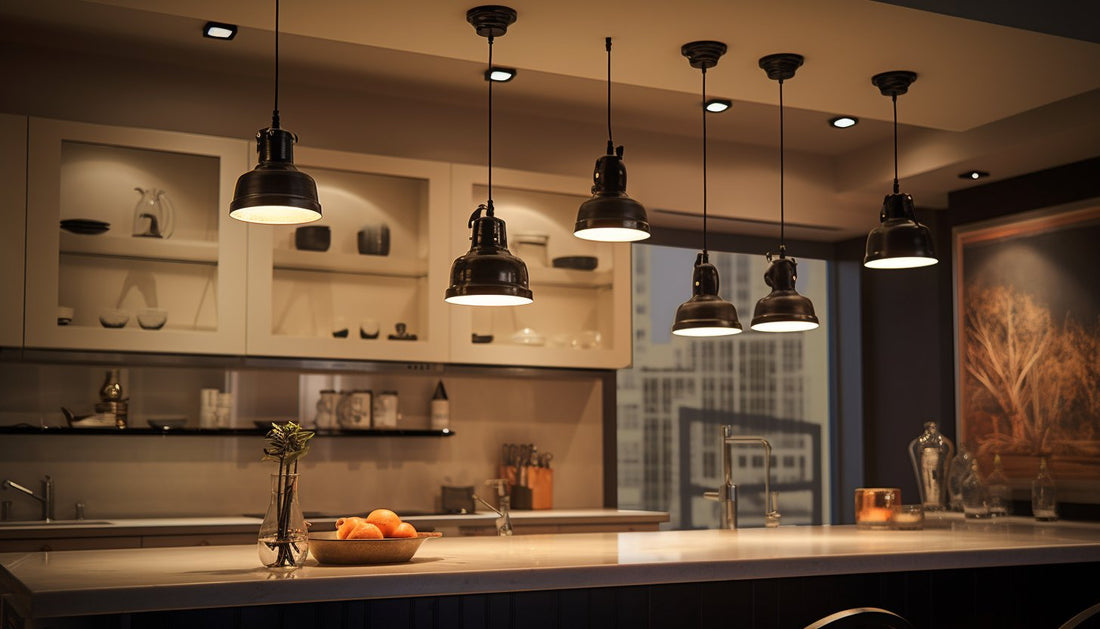
Pendant Lights
Pendant lights hang down from a cord or rod. They are perfect for placing over kitchen islands or dining tables. You can use one for a small space or a group for a larger area.
Pros:
- Focused light for islands or counters
- Many shapes, colors, and materials
- Easy to change style with new shades
Cons:
- Not for very low ceilings
- You may need several for big kitchens
Example: Three glass pendants over a kitchen island create a modern look and good task lighting.
Recessed Ceiling Lights
Recessed lights fit inside the ceiling, so they don’t take up space. They are good for a clean, modern look. You can place several in a row for even lighting.
Pros:
- Makes ceilings look higher
- Flexible placement
- Good for all kitchen sizes
Cons:
- Harder to install (needs holes in ceiling)
- Can be tricky to move later
Example: Four or six recessed LED lights spaced evenly give bright, shadow-free light.
Track Lighting
Track lights have several adjustable bulbs on a rail. You can point each light where you need it—on counters, sinks, or artwork.
Pros:
- Adjustable and flexible
- Good for highlighting different zones
- Modern style
Cons:
- Track can look busy in small kitchens
- Needs careful placement
Example: A 4-light track above a long counter helps with food prep and washing up.
Chandelier Ceiling Lights
Chandeliers add elegance and become the main feature in a kitchen. They work best in big kitchens or over large tables.
Pros:
- Eye-catching style
- Many designs, from classic to modern
- Adds a warm, inviting feel
Cons:
- Needs more ceiling height
- Harder to clean and install
Example: A small crystal or metal chandelier over a dining area makes the kitchen feel special.
Led Panel Lights
LED panels are thin, flat lights that fit flush to the ceiling. They give wide, even light and are very efficient.
Pros:
- Very bright but soft
- Low profile, good for low ceilings
- Saves energy
Cons:
- Some people find them too plain
- Hard to fit in old ceilings
Example: A 2x4 foot LED panel can replace several old fixtures in a large kitchen.
Ceiling Fans With Lights
These combine a ceiling fan and a light in one. They work well in hot kitchens or open-plan homes.
Pros:
- Cools the room and adds light
- Saves space
- Many styles
Cons:
- Needs enough ceiling height
- Light can be less even
Example: A 44-inch fan with a built-in LED fits most kitchens and gives both air and light.
Comparing Kitchen Ceiling Light Types
Here is a quick look at how the main types compare for key features:
| Type | Best For | Style | Brightness | Ease of Cleaning | Energy Use |
|---|---|---|---|---|---|
| Flush Mount | Small kitchens | Simple/Modern | Medium | Easy | Low (LED) |
| Semi-Flush | Medium kitchens | Classic/Modern | Medium-High | Medium | Low-Medium |
| Pendant | Islands/Tables | Many options | Spot/Medium | Medium | Low (LED) |
| Recessed | All sizes | Minimal | High | Hard | Low (LED) |
| Track | Zones | Modern | Medium-High | Medium | Low-Medium |
| Chandelier | Large kitchens | Elegant | Medium | Hard | Medium-High |
| LED Panel | Large spaces | Simple/Modern | High | Easy | Very low |
| Ceiling Fan | Hot climates | Casual | Medium | Medium | Low-Medium |
How To Choose The Right Ceiling Light For Your Kitchen
Picking the best kitchen ceiling light is easier when you know what matters most. Here’s how to decide:
1. Measure Your Kitchen:
Take note of your kitchen’s length, width, and ceiling height. Low ceilings need flush or recessed lights. High ceilings can handle pendants or chandeliers.
2. Check Your Work Areas:
Where do you chop, cook, or wash up? Make sure those spots have enough light. Use brighter lights or add pendants over work zones.
3. Think About Style:
Does your kitchen feel modern, classic, rustic, or bold? Match the light’s design to your cabinets, counters, and colors.
4. Decide On Light Quality:
Choose a color temperature that feels right. Warm white (3,000K) makes kitchens cozy. Cool white (4,000K) is sharper and better for seeing details.
5. Count The Fixtures:
One big light may not be enough. Many kitchens need a mix: ceiling light, under-cabinet lights, and pendants.
6. Pick Efficient Models:
LEDs save on power bills and last much longer. Look for Energy Star ratings.
7. Check Dimming Options:
Dimmable lights give you more control. You can eat dinner with soft light or turn it up for cleaning.
8. Plan For Easy Cleaning:
Avoid complex or delicate designs if your kitchen gets greasy fast.
9. Budget For Quality:
Cheap lights may look good but break or fade quickly. It’s better to spend a bit more for lasting quality.
Non-obvious insight: Even if you have a big central ceiling light, add small lights under cabinets. This reduces shadows and makes cooking safer.
Top Features To Look For In Kitchen Ceiling Lights
When shopping, look for these key features. They make a big difference in daily life.
1. Dimmable Leds
Many new ceiling lights use LEDs that you can dim. This means you can change the brightness for different times—bright for chopping, softer for eating.
Tip: Not all LED fixtures can dim. Check for “dimmable” on the box.
2. Smart Controls
Some ceiling lights work with apps or voice assistants. You can set timers, change colors, or dim the lights without touching a switch.
Example: A smart LED ceiling light lets you say, “Alexa, turn on the kitchen” or use your phone.
3. Adjustable Color Temperature
Some fixtures let you pick between warm, neutral, or cool white. This is helpful for matching other lights in your house.
4. Easy Installation
Look for lights with simple mounting brackets and clear instructions. This saves time and stress.
Tip: If you’re not comfortable with wiring, hire an electrician.
5. High Cri (color Rendering Index)
A CRI over 80 means colors look true under the light. This matters when you want food to look fresh and appetizing.
6. Sealed Or Covered Designs
Lights with sealed covers keep out dust and grease. They are easier to clean—very useful for busy kitchens.
7. Low Profile
If your kitchen has a low ceiling, pick a thin or flush design. This gives more headroom and keeps the space open.
8. Multiple Light Directions
Some fixtures, like track lights, let you aim bulbs where you need them most.
Non-obvious insight: Lights with a frosted cover reduce glare and make the room feel softer.
Best Practices For Kitchen Lighting Layout
Even the best ceiling light won’t work well if it’s not in the right place. Here’s how to plan your kitchen lighting layout:
Use Layers:
Combine ceiling lights, under-cabinet lights, and maybe wall lights. This reduces shadows and gives you more control.
Space Evenly:
For recessed lights, place them 4-6 feet apart for even coverage.
Highlight Work Areas:
Put extra lights over sinks, stoves, and islands.
Avoid Shadows:
Don’t put one big light in the center only—it can leave corners dark.
Use Dimmers:
Install dimmer switches so you can change the light for different tasks.
Check Power Source:
Make sure your electrical box can handle the new fixture. Some older homes need upgrades.
Popular Kitchen Ceiling Light Brands
Some brands are known for quality and style. Here are a few trusted names:
- Lithonia Lighting – Good for flush mounts and LED panels.
- Westinghouse – Many styles, from classic to modern.
- Globe Electric – Affordable pendants and track lights.
- Kichler – Stylish semi-flush and chandelier designs.
- Hampton Bay – Many options at home improvement stores.
- Philips Hue – Smart lighting with color and app controls.
Tip: Always check customer reviews and warranty details before you buy.
Installation Tips For Kitchen Ceiling Lights
Installing a new ceiling light can be easy or tricky, depending on the type. Here’s what to know:
Basic Steps
1. Turn Off Power:
Always switch off the power at the fuse box before starting.
2. Remove Old Fixture:
Take down the old light and disconnect the wires.
3. Check Wiring:
Make sure the wires are in good shape. Match colors (usually black to black, white to white, green to ground).
4. Install Mounting Bracket:
Secure the new bracket to the ceiling box.
5. Connect Wires:
Use wire nuts and follow the instructions.
6. Attach The Light:
Secure the fixture and add bulbs or covers.
7. Test:
Turn the power back on and check the light.
If you’re not sure, always hire a licensed electrician.
Special Notes
- Recessed lights need holes cut in the ceiling. Use a template and measure carefully.
- Pendant lights need the right height. Usually, 30-36 inches above a counter or table.
- Heavy fixtures (like chandeliers) may need extra support.
Non-obvious insight: Use LED bulbs with the same color temperature throughout your kitchen for a more balanced look.
Common Mistakes People Make
Even smart shoppers can get kitchen lighting wrong. Here are pitfalls to avoid:
1. Too Few Lights:
One small ceiling fixture is not enough for most kitchens. Add more light sources.
2. Wrong Color Temperature:
Mixing warm and cool lights makes the kitchen look odd. Pick one and match all bulbs.
3. Oversized Fixtures:
Large chandeliers or pendants can crowd a small kitchen. Measure before you buy.
4. Poor Placement:
Hanging lights too low blocks views. Placing recessed lights too far apart causes dark spots.
5. Ignoring Style:
A modern light in a farmhouse kitchen (or vice versa) can look out of place. Match your home’s look.
6. Not Cleaning Fixtures:
Greasy, dusty lights get dim quickly. Choose easy-to-clean designs.
7. Skipping Dimmers:
Fixed-brightness lights are less flexible. Dimmers add comfort and save energy.
How To Clean And Maintain Kitchen Ceiling Lights
Kitchen lights collect dust, grease, and even bugs. Here’s how to keep them bright:
Cleaning Steps
1. Turn Off Power:
For safety, always switch off the light.
2. Remove Covers:
Take off glass or plastic shades if possible.
3. Wipe Surfaces:
Use a damp cloth and mild soap for glass or metal. Avoid harsh chemicals.
4. Clean Bulbs:
Gently wipe bulbs with a dry cloth. Do not use wet cloths on hot bulbs.
5. Check For Damage:
Look for cracks or loose wires.
6. Replace Covers:
Put shades back on and turn the light on.
Tip: Clean lights every 2-3 months for best performance.
Trends In Kitchen Ceiling Lighting
Kitchen lighting is always changing. Here are some current trends:
- Smart Lighting:
More people use smart bulbs and fixtures. These can change color, dim, or run on a schedule.
- Matte Black Finishes:
Black metal is popular for pendants and chandeliers.
- Mixed Materials:
Lights with wood, glass, and metal together add style.
- Geometric Shapes:
Square, oval, and abstract lights are in demand.
- Minimalist LED Panels:
Thin, flat panels look clean and modern.
- Eco-Friendly Materials:
More brands use recycled glass or metal.
- Industrial Style:
Exposed bulbs and pipes give a vintage look.
Non-obvious insight: Integrated LED lights are now designed to last 10-20 years, so you may never need to change a bulb.
How To Choose The Best Light For Your Kitchen Size
Not all kitchens need the same amount of light. Here’s how to match your light to your space:
Small Kitchens (under 100 Sq Ft)
- Use a single flush mount or small LED panel.
- Add one or two under-cabinet strips for tasks.
- Avoid large or low-hanging lights.
Medium Kitchens (100-200 Sq Ft)
- Combine a central light (semi-flush or panel) with two or three pendants over the island.
- Recessed lights spaced every 4 feet work well.
- Add dimmers for control.
Large Kitchens (200+ Sq Ft)
- Use several recessed lights plus a chandelier or big LED panel.
- Add task lights over all counters and the sink.
- Consider a smart lighting system for full control.
Kitchen Ceiling Light Comparison: Led Vs. Fluorescent Vs. Incandescent
Here’s a closer look at the three most common bulb types for ceiling lights:
| Bulb Type | Lifespan (Hours) | Energy Use (Watts) | Brightness (Lumens) | Color Quality | Cost |
|---|---|---|---|---|---|
| LED | 25,000+ | 10-20 | 800-2,500+ | Excellent (80+ CRI) | $$ |
| Fluorescent | 7,000-15,000 | 15-40 | 700-2,000 | Good (70-85 CRI) | $ |
| Incandescent | 1,000 | 40-100 | 450-1,600 | Good (80+ CRI) | $ |
LEDs cost more upfront but last many years and use the least power. They’re the best choice for most kitchens.
Lighting Controls And Automation
Modern kitchens can use more than just wall switches. Here’s how to add convenience:
Smart Switches
Replace a normal switch with a smart one. You can control your ceiling light with your phone or voice.
Motion Sensors
Some ceiling lights turn on when you enter the room. This is handy if your hands are full.
Timers
Set your kitchen lights to turn off automatically after a set time. This saves energy.
Scenes
Smart systems let you program different settings—for example, “Bright” for cooking, “Soft” for dinner.
Non-obvious insight: Many smart switches work with regular LED bulbs, so you don’t always need to buy a new fixture.
Matching Ceiling Lights With Kitchen Styles
Lights can change the whole look of your kitchen. Here’s how to match them to your style:
Modern Kitchens
- Use simple, flat LED panels or sleek pendants.
- Choose chrome, white, or black finishes.
- Avoid fussy details.
Traditional Kitchens
- Pick semi-flush or chandelier lights with bronze or brass.
- Look for glass shades with gentle curves.
Farmhouse Style
- Try wood and metal mixes.
- Black or bronze fixtures with clear glass look good.
Industrial Kitchens
- Use exposed bulbs, metal pipes, and simple shapes.
Minimalist Spaces
- Flat, frameless LED panels or small recessed lights keep things simple.
Tip: Bring a photo of your kitchen when shopping. This helps you match colors and shapes.
How To Save Money On Kitchen Ceiling Lighting
You don’t have to spend a fortune for good lighting. Here are ways to save:
1. Choose Led Fixtures:
They cost more at first but save hundreds on energy and bulb changes.
2. Install Yourself (if Safe):
Many flush mounts and panels are DIY-friendly.
3. Shop Sales And Outlets:
Lighting stores often have discounts on last year’s models.
4. Mix Expensive And Budget Fixtures:
Use a statement light over the table and basic LED panels elsewhere.
5. Use Fewer, Brighter Fixtures:
One big panel may replace three small ones.
6. Avoid Custom Wiring:
Stick to standard mounts to skip costly electrical work.
Non-obvious insight: Some utility companies offer rebates for upgrading to Energy Star LED lights.
When To Replace Your Kitchen Ceiling Light
Lights don’t last forever. Here are signs it’s time for a new one:
- Flickering or dimming, even with new bulbs
- Cracked or discolored covers
- Noise or buzzing sounds
- Outdated style that doesn’t match your kitchen
- Using too much energy (old fluorescent or incandescent)
Most LED fixtures last 10-20 years. If your kitchen light is older, you’ll save money and get better light with an upgrade.
Real-world Examples: Kitchen Lighting Makeovers
Example 1:
Maria had a small, dark kitchen. She replaced her old round ceiling light with a 15-inch flush-mount LED and added a strip light under her cabinets. Now, her kitchen feels twice as big, and she can see better when cooking.
Example 2:
John and Sam remodeled their large kitchen. They installed six recessed LEDs, three pendants over the island, and a dimmable chandelier over the dining table. Their lighting is flexible—they can have it bright for parties or soft for dinner.
Example 3:
The Lee family wanted a more eco-friendly home. They switched to smart LED ceiling panels and use voice commands to turn on and off. Their power bill dropped by 15%.
Where To Buy Kitchen Ceiling Lights
You can find kitchen ceiling lights at many places:
- Home improvement stores (like Home Depot or Lowe’s)
- Lighting showrooms
- Online shops (Amazon, Wayfair, Lamps Plus)
- Local electricians or specialty stores
Tip: Check return policies and warranties. Some stores let you try a light and return it if it doesn’t fit.
For extra help, you can find more about lighting types and energy-saving tips on the U.S. Department of Energy website.
Frequently Asked Questions
What’s The Best Ceiling Light For A Small Kitchen?
A flush mount LED ceiling light is usually best for small kitchens. It’s low-profile, bright, and saves space. Add under-cabinet lights for extra brightness if you need it.
How Many Lumens Do I Need For My Kitchen Ceiling Light?
Most kitchens do well with 3,000 to 4,000 lumens in total. For bigger kitchens, you may need more. Divide the light among main ceiling lights and task lights.
Can I Install Kitchen Ceiling Lights Myself?
Many flush mount and LED panel lights are DIY-friendly if you’re comfortable with basic wiring. If you’re not sure or it’s a heavy fixture, hire an electrician.
Are Smart Kitchen Ceiling Lights Worth It?
Smart ceiling lights are great for convenience and energy savings. You can control them with your phone or voice. They often last longer and let you change brightness or color easily.
How Often Should I Clean My Kitchen Ceiling Lights?
Clean your kitchen ceiling lights every 2-3 months. Dust, grease, and bugs can build up and make them dim. Use a damp cloth and mild soap for best results.
---
Choosing the best kitchen ceiling lights can seem hard, but it’s easier when you focus on what you really need: brightness, style, efficiency, and easy care. Look for LED models, match your kitchen’s look, and don’t forget about smart options for future comfort. Good lighting makes your kitchen safer, more beautiful, and more enjoyable for everyone.