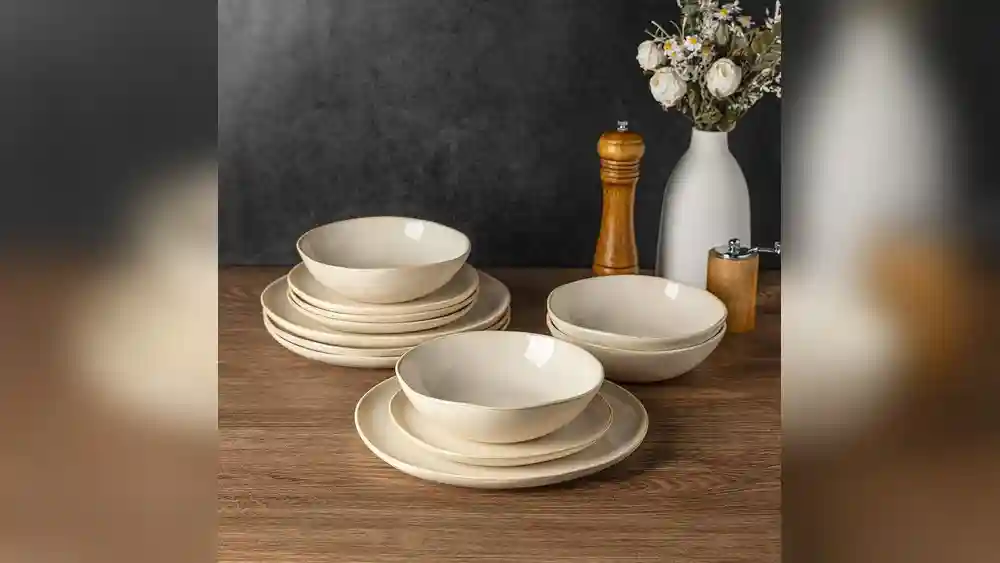
Handmade ceramic dish sets have become a favorite for many kitchens and dining rooms. People love the look and feel of something made by hand. Each piece feels special. But not all ceramic dishware is the same. Some can chip or crack easily, which can be frustrating and costly. If you want a dish set that is both beautiful and durable, it’s important to know how to choose the best handmade ceramic dish set that is highly chip and crack resistant.
Let’s explore what makes a ceramic dish set strong, how to spot quality, and which handmade sets stand out. You’ll also find tips for care, practical buying advice, and answers to common questions. After reading, you’ll have all you need to choose a set that lasts for years.
Why Choose Handmade Ceramic Dish Sets?
Handmade ceramics are more than just dishes. They are works of art shaped by skilled hands. Each set has a story and character you won’t find in mass-produced items. Here are some reasons people prefer handmade ceramics:
- Unique designs: No two pieces are exactly alike, even in the same set.
- Artisan quality: Each piece is made with care and attention.
- Natural materials: Most handmade sets use high-quality clays and glazes, often safer and more eco-friendly.
- A sense of tradition: Handmade ceramics connect you to ancient crafts and culture.
When you choose handmade, you’re not just buying a tool for eating—you’re supporting small businesses, artists, and centuries of tradition. You can often see tiny “imperfections” that make every plate or bowl unique, like a thumbprint or swirl in the glaze.
These touches add warmth and personality to your table.
However, some worry that handmade ceramics are weaker than factory-made. This isn’t always true. With modern techniques and good materials, many handmade sets are highly chip and crack resistant. Let’s see how.
What Makes Ceramic Dishes Chip And Crack Resistant?
Not all ceramic dishes are equally strong. Several factors affect how well a dish resists damage:
Type Of Clay
The kind of clay used is very important. Stoneware and porcelain are fired at high temperatures, making them harder and less likely to chip. Earthenware is softer and more porous, so it’s more likely to chip.
For example, porcelain is often chosen for restaurant plates because it is very dense and less likely to absorb water or odors. Stoneware is popular in homes because it feels solid and is less likely to break when dropped. Earthenware, while beautiful, is often best for serving pieces or items that don’t get daily use.
Firing Temperature
The firing process makes a big difference. High-temperature firing (over 1200°C or 2200°F) makes the clay denser and tougher. That means less water can get in, and the dishes are less likely to crack.
A higher firing temperature causes the clay particles to melt and fuse together. This process is called “vitrification. ” Vitrified ceramics are glass-like inside and out, which means they won’t soak up water or stains and are less likely to crack from heat or cold.
Glaze Quality
A strong, even glaze adds another layer of protection. Good glazes seal the ceramic, help prevent scratches, and make cleaning easier. Poor glazing can lead to weak spots where chips start.
A thick, well-applied glaze also keeps food and liquids from staining the ceramic. If you notice pinholes, thin spots, or bubbles in the glaze, these can become places where cracks start. Some artisans double-glaze their pieces for extra strength.
Thickness And Shape
Well-designed dishes have balanced thickness. Too thin, and they break easily. Too thick, and they may be heavy and awkward. Rounded edges are less likely to chip than sharp ones.
For instance, plates with slightly upturned, rounded rims will handle bumps better than plates with flat, sharp edges. Bowls with thicker lips are less likely to chip if you tap them with a spoon or stack them.
Craftsmanship
Skilled makers know how to avoid tiny cracks that grow over time. They check for bubbles, rough spots, or weak areas before firing.
Experienced artisans often “wedge” (knead) their clay to remove air bubbles, and they inspect every piece before and after firing. Small details, like smoothing edges and checking for even thickness, make a big difference in long-term durability.
Real-world Testing
Some makers test their dishes by dropping or knocking them to see how they hold up. Others use special machines to measure strength.
In professional ceramics studios, “drop tests” and “thermal shock” tests (moving dishes from hot to cold) are common. Brands that use these tests usually mention it in their product info, which is a good sign they care about durability.
Here is a quick comparison of different ceramic types and their resistance:
| Ceramic Type | Firing Temp (°C) | Chip Resistance | Crack Resistance |
|---|---|---|---|
| Porcelain | 1200-1400 | High | High |
| Stoneware | 1100-1300 | High | High |
| Earthenware | 1000-1150 | Low | Medium |
As you can see, porcelain and stoneware are best for chip and crack resistance.
Key Features To Look For In A Durable Handmade Ceramic Dish Set
When you’re shopping for a dish set, keep these features in mind:
- Material Type: Prefer stoneware or porcelain over earthenware.
- Firing Method: Look for “high-fired” or “vitrified” ceramics.
- Glaze: Smooth, even glaze with no bare spots.
- Edge Design: Rounded or reinforced rims.
- Weight: Should feel solid but not too heavy.
- Microwave/Dishwasher Safe: Shows the maker trusts their materials.
- Lead-Free and Food Safe: Always check for safety labels.
- Warranty or Guarantee: Some makers offer replacements for chips/cracks.
A common mistake is to choose only by appearance. Beautiful dishes are nice, but strength matters if you want them to last.
It’s also helpful to examine the bottom of the dish. A good sign is a smooth, polished foot (the ring on the base). Rough or unfinished feet can scratch tables or chip more easily. Take time to feel the edge and base before buying.
If you plan to use your dishes every day, prioritize features like a thick glaze, a slightly heavier feel, and clear safety certifications. Some artisans also share details about their clay source and firing process—another clue that they focus on lasting quality.
Best Handmade Ceramic Dish Sets That Resist Chips And Cracks
After researching top artisans, customer reviews, and expert tests, here are some of the best handmade ceramic dish sets that are known for their chip and crack resistance.
1. East Fork Pottery Dinnerware Set
East Fork, based in North Carolina, is famous for its high-fired stoneware. Their dishes are made by hand and fired at 2,200°F, making them incredibly tough. The glazes are thick and glassy, sealing the surface. Many users report that their plates have survived drops and bumps that would destroy cheaper dishes.
Set Includes: Dinner plates, side plates, bowls, mugs
Colors: Earthy tones, blues, and limited editions
Microwave/Dishwasher Safe: Yes
Why it stands out: The balance between modern style and traditional strength is rare. The rounded edges help prevent chips. East Fork offers a 100-day chip guarantee, showing their confidence.
Another noteworthy detail: East Fork’s dishes are designed with daily family life in mind. Many customers with kids have shared stories about their plates surviving accidental drops from the table—a true test of chip resistance.
2. Heath Ceramics Coupe Line
Heath Ceramics, a classic California brand, has been making ceramics since 1948. Their Coupe line is hand-thrown and high-fired. The dishes are thick but not clunky, and the edges are softly rounded.
Set Includes: Coupe dinner plates, salad plates, bowls
Glaze: Satin or glossy, with beautiful color choices
Microwave/Dishwasher Safe: Yes
Why it stands out: Heath’s long history and quality control mean fewer hidden flaws. Their dishes are used in high-end restaurants, proving they can take daily wear.
Heath’s Coupe line is also stackable, which reduces chipping when storing. Their glazes are famous for being both beautiful and tough, and the brand’s reputation for consistency is well-earned.
3. Haand Cloudware Dinnerware
Haand in North Carolina uses high-quality porcelain clay for their Cloudware collection. Each piece is slip-cast and then hand-finished. The swirling blue-and-white pattern is unique to every plate.
Set Includes: Plates, bowls, and mugs
Glaze: Smooth, glossy, and non-porous
Microwave/Dishwasher Safe: Yes
Why it stands out: Porcelain is naturally strong, and Haand’s glaze resists staining and chipping. These dishes are tested for both home and commercial use.
The Cloudware collection’s porcelain is less likely to develop hairline cracks, and the unique color patterns help disguise any minor wear that does occur over time.
4. Mud Australia Handmade Porcelain Set
Mud Australia creates minimalist porcelain sets in Sydney. Their dishes are fired at extremely high temperatures, making them strong but surprisingly light.
Set Includes: Dinner plates, side plates, pasta bowls, serving pieces
Colors: Soft pastels, neutrals, and rich tones
Microwave/Dishwasher Safe: Yes
Why it stands out: The thin, smooth edges are chip-resistant due to the clay’s strength. The matte glaze is easy to clean and tough.
Mud Australia’s pieces are often chosen by people who want elegant, modern style without sacrificing daily usability. The wide variety of shapes and colors makes it easy to match any decor.
5. Pomelo Casa Spanish Dinnerware
Pomelo Casa uses local clay and traditional methods from Spain. Their pieces are hand-painted, so every set is different.
Set Includes: Dinner plates, tapas plates, soup bowls
Glaze: Lead-free, colorful glazes
Microwave/Dishwasher Safe: Yes
Why it stands out: The thick stoneware base and generous glazing make these dishes sturdy. Many users say they last for years, even with daily use.
A unique point: Pomelo Casa’s designs often feature bold, traditional patterns that help disguise any light wear or scratches over time.
6. Kana Ceramics Japanese Stoneware Set
Kana Ceramics specializes in Japanese-inspired stoneware. The dishes are wheel-thrown and high-fired, giving them a dense, hard finish.
Set Includes: Plates, rice bowls, serving platters
Glaze: Speckled or matte, always food-safe
Microwave/Dishwasher Safe: Yes
Why it stands out: The classic shapes and careful craftsmanship mean fewer breakages. Rounded lips and thicker walls help resist chips.
Kana Ceramics’ attention to traditional Japanese techniques, such as trimming and foot finishing, helps ensure each piece is balanced and less likely to break.
7. Alex Marshall Studios Handmade Dinnerware
Alex Marshall Studios in California makes contemporary ceramics with simple lines. Their pieces are hand-molded and fired at high temperatures.
Set Includes: Dinner and salad plates, bowls, mugs
Glaze: Glossy and matte finishes
Microwave/Dishwasher Safe: Yes
Why it stands out: The studio offers replacements for chipped items within the first year. Their dishes are frequently used in busy restaurants.
Restaurant use is a great sign of durability, as commercial kitchens are tough environments. Alex Marshall’s simple designs also mean fewer delicate edges that can break.
8. Jars Ceramistes Tourron Collection
Jars Ceramistes, based in France, has a long tradition of artisan pottery. The Tourron line uses dense stoneware, fired at over 1250°C.
Set Includes: Plates, bowls, and cups
Colors: Deep, saturated glazes
Microwave/Dishwasher Safe: Yes
Why it stands out: The company’s proprietary glaze formula makes the dishes almost non-porous and extremely chip resistant.
Jars Ceramistes are also known for their wide range of glaze colors, which are tested for both beauty and strength in everyday use.
9. Notary Ceramics Everyday Set
Notary Ceramics in Portland crafts minimalist pieces with a focus on function and beauty. Their dishes are wheel-thrown and finished by hand.
Set Includes: Plates, bowls, mugs
Glaze: Soft, muted tones
Microwave/Dishwasher Safe: Yes
Why it stands out: The clay blend is very dense, and the glaze covers all surfaces. Users mention these dishes rarely chip, even after years of use.
Notary Ceramics’ gentle shapes make them easy to stack and less likely to chip during storage.
10. Year & Day Handmade Dinnerware
Year & Day offers a mix of handmade and small-batch ceramics. Their dishes are made from high-fired stoneware.
Set Includes: Plates, salad plates, bowls, cups
Colors: Cool neutrals and bold accents
Microwave/Dishwasher Safe: Yes
Why it stands out: The company runs drop tests to ensure durability. Their dishes are heavier than average, which adds to their toughness.
Year & Day is great for people who want a modern look with the reliability of traditional stoneware strength.
Here’s a quick side-by-side look at how these top sets compare for chip and crack resistance:
| Brand | Material | Firing Temp | Chip Resistance | Crack Resistance |
|---|---|---|---|---|
| East Fork | Stoneware | 1200°C+ | Excellent | Excellent |
| Heath Ceramics | Stoneware | 1200°C+ | Excellent | Excellent |
| Haand | Porcelain | 1300°C | Excellent | Excellent |
| Mud Australia | Porcelain | 1280°C | Very Good | Excellent |
| Pomelo Casa | Stoneware | 1150°C | Very Good | Very Good |
| Kana Ceramics | Stoneware | 1200°C | Excellent | Very Good |
| Alex Marshall | Stoneware | 1200°C | Very Good | Very Good |
| Jars Ceramistes | Stoneware | 1250°C | Excellent | Excellent |
| Notary Ceramics | Stoneware | 1200°C | Excellent | Very Good |
| Year & Day | Stoneware | 1200°C | Very Good | Very Good |
How To Care For Handmade Ceramic Dish Sets
Even the strongest ceramics need some care. Here’s how to keep your dishes beautiful and strong:
Handling
- Stack carefully: Don’t throw dishes into a pile. Stack with care, or use felt pads if you’re worried.
- Avoid big temperature shocks: Don’t take a dish from the freezer straight to a hot oven. Sudden changes can cause cracks.
- Lift, don’t slide: Dragging plates on hard surfaces can scratch the glaze and weaken the edges.
If you have kids or clumsy hands in the house, consider keeping a soft mat or towel near your drying rack. This reduces the chance of chips if a plate is dropped while drying.
Cleaning
- Most handmade ceramics are dishwasher safe—but check what the maker says.
- Hand washing is gentler, especially for dishes with gold or hand-painted details.
- Avoid harsh scrubbers: Use soft sponges. Steel wool or rough pads can damage the glaze.
- Remove stains with baking soda and water. Let it sit, then wash gently.
For stubborn stains, a gentle soak in a mix of vinegar and warm water can help. Always avoid bleach or other harsh chemicals, as these can damage both glaze and color. If your dishes have a matte finish, be extra gentle, as matte glazes can sometimes stain more easily than glossy ones.
Storage
- Don’t overload shelves: Too much weight can stress the bottom dishes.
- Use dish racks or separators for precious or thin dishes.
If you have open shelving, consider using small felt pads or silicone dots between plates and bowls. This simple trick protects edges from tiny bumps when stacking or removing dishes.
Repairs
If a dish chips or cracks, some makers offer repairs or replacements. For minor chips, you can smooth the edge with fine sandpaper (if it’s not near food contact).
If you love a set and a piece breaks, ask the maker if they sell single replacements. Some even offer “seconds” (pieces with minor flaws) at a discount, so you can keep your set complete for less.
Common Mistakes To Avoid
- Using in very hot ovens: Even tough ceramics have a max temperature.
- Microwaving with metal trim: This can spark and damage both dish and microwave.
- Ignoring cracks: Small cracks can grow. If you spot one, retire the dish from heavy use.
Another mistake is using handmade ceramics as cutting boards. Cutting with sharp knives on ceramic can dull blades and create fine scratches in the glaze, making chipping more likely over time.
The Real Cost Of Quality: Why Durable Ceramics Are Worth It
Some people hesitate to pay more for handmade, durable ceramics. But let’s compare the costs.
A cheap dish set may last only a year or two before chipping and needing replacement. A high-quality, handmade set can last decades—even with daily use. Over 10 years, the cost per use is much lower. Plus, you get the beauty and satisfaction of using something made by an artisan.
Here’s a rough estimate:
| Type | Initial Cost (USD) | Years Lasting | Cost Per Year |
|---|---|---|---|
| Cheap Mass-Produced | $50 | 2 | $25 |
| Handmade Durable | $250 | 10+ | $25 |
But the true value goes beyond the numbers. Handmade dishes age well and can be passed down as heirlooms. Many families enjoy using the same set for holidays, birthdays, and daily meals for decades. The emotional value of handmade ceramics often grows over time, making them a real investment in your home and traditions.
Plus, you are less likely to throw away broken pieces, since many artisans will help you replace or repair individual items—something mass-market brands rarely do.

How To Choose The Right Set For Your Needs
With so many beautiful options, picking the right set can be hard. Here’s what to think about:
1. Family Size
- For small households, a 12-piece set (4 of each) is enough.
- For large families or if you entertain, consider a 16- or 20-piece set.
If you host big gatherings often, look for brands that sell open stock (single plates or bowls) so you can add more pieces as needed.
2. Style And Color
- Choose colors that match your kitchen and personality.
- Neutral tones stay in style longer, but bold colors can bring joy.
A subtle, off-white set works for both casual and formal meals, while a brightly colored set can become a conversation starter. Remember, glazes with patterns or speckles can help hide light scratches or stains.
3. Dish Types
- Decide if you need just plates and bowls or extra items like mugs, platters, or pasta bowls.
- Some sets let you build your own mix.
If you enjoy specific cuisines (like soup or pasta), consider a set with deep bowls or larger serving pieces. Some brands offer matching accessories, like pitchers or serving trays, for a coordinated look.
4. Budget
- Handmade sets range from $100 to $800+ depending on size and maker.
- Remember, higher initial cost often means better durability.
If your budget is tight, start with a few pieces and add more over time. Some artisans release new colors or styles every season, so you can slowly build a set you love.
5. Source
- Buy directly from artisans or their official shops to ensure quality and authenticity.
- Check for clear return policies and guarantees.
Buying direct often means better customer service. You can ask questions, request custom colors, or get advice on caring for your pieces.
6. Lead-free And Food Safety
- Always check for lead-free and food-safe labels, especially with imported or vintage ceramics.
If you have old or secondhand ceramics, consider using them for decoration only unless you can confirm their safety.
Practical Example
Imagine you have kids. You want dishes that can survive drops and rough handling. Choose high-fired stoneware with rounded edges and a thick glaze, like East Fork or Heath Ceramics. If you live alone and love modern minimalism, Mud Australia’s porcelain may be perfect.
Another example: If you love to cook and serve many different dishes, look for brands that offer matching serving bowls, platters, and smaller side plates. This way, your table looks coordinated, and you can mix and match for different occasions.
Non-obvious Insights For Buyers
Even if you’ve bought dishes before, a few details are easy to overlook:
- Check the bottom: A rough, unglazed base can scratch tables. Some makers polish the bottom smooth.
- Ask about replacements: Can you buy a single plate if one breaks? Some brands let you mix and match or replace individual pieces.
- Weight matters: Heavy dishes feel solid but can be hard for kids or older adults to handle.
- Local climate: If you live in a humid place, denser ceramics (like porcelain) are less likely to absorb water and develop mildew.
Here are two more tips that many beginners miss:
- Stain and odor resistance: Porcelain and high-fired stoneware are less likely to hold smells or get stained by foods like tomato sauce or curry. This keeps your dishes looking new for longer.
- Finish and feel: Matte glazes look elegant but can sometimes show metal marks from cutlery. Glossy glazes are easier to clean but may show fingerprints.
Where To Buy The Best Handmade Ceramic Dish Sets
You can find high-quality, chip-resistant handmade ceramic sets:
- Direct from artisans’ websites: Often the best selection and newest designs.
- Specialty kitchen stores: These stores often carry trusted brands and can answer questions.
- Online platforms: Websites like Etsy, Food52, and West Elm carry handmade ceramics, but check seller reviews and return policies.
If you’re lucky enough to have a local pottery studio or artisan fair nearby, visit in person. You can feel the weight, see the glaze up close, and ask questions directly. Some artisans offer workshops or studio tours, letting you see how your dishes are made.
For more about the science behind ceramic strength, see this ceramic engineering overview.
Frequently Asked Questions
What Makes Handmade Ceramics More Chip-resistant Than Factory-made Dishes?
Handmade ceramics from skilled artisans often use high-quality stoneware or porcelain clays, fired at high temperatures. This makes the dishes denser and stronger. Artisans also pay close attention to glaze and edge design, reducing weak spots where chips start.
Can I Put My Handmade Ceramic Dishes In The Microwave And Dishwasher?
Most high-fired stoneware and porcelain handmade dishes are safe for the microwave and dishwasher. Always check with the maker first. Avoid microwave use if the dish has gold, silver, or metallic trim.
What Should I Do If My Ceramic Dish Chips Or Cracks?
If you get a small chip on a non-food-contact edge, you can smooth it with fine sandpaper. For cracks or larger chips, stop using the dish for food. Some makers offer repairs or replacements, so check their policies.
Are All Handmade Ceramic Dish Sets Lead-free?
Not always. Most reputable makers use lead-free glazes, but it’s important to check. If you’re unsure, ask the seller or look for certification. Imported or vintage ceramics may not meet modern safety standards.
How Can I Tell If A Ceramic Dish Set Will Last A Long Time?
Look for high-fired stoneware or porcelain, a smooth and even glaze, rounded edges, and a solid feel. Read reviews about durability and check if the brand offers a guarantee or replacement policy.
Take your time finding handmade ceramic dishes. The right set will add lasting beauty and durability to your table for years to come.