Choosing The Best Eco Friendly Kitchen Cabinet Materials
The kitchen is often called the heart of the home, a place where families gather, meals are prepared, and memories are made. Yet, many people do not realize that their kitchen cabinets can have a big impact on the environment and indoor air quality.
Traditional cabinet materials often contain chemicals like formaldehyde and are made using processes that harm forests and create waste. If you want to make your kitchen greener, the cabinets you choose matter a lot.
Today, many homeowners are looking for ways to reduce their carbon footprint and create healthier living spaces. Selecting eco friendly kitchen cabinet materials is one of the smartest steps you can take. But with so many options on the market, it can be hard to know which ones are truly green, durable, and beautiful.
This guide will walk you through the most popular and effective eco friendly cabinet materials. You will learn what makes each choice sustainable, how they perform in the kitchen, and what to consider before making your final decision. Along the way, you will discover practical tips, real data, and expert advice to help you design a kitchen that is stylish, healthy, and kind to the planet.
You’ll also find advice on how to avoid greenwashing—when companies claim to be eco friendly but aren’t truly following through.
Why Eco Friendly Kitchen Cabinets Matter
For many years, kitchen cabinets were made from plywood, particleboard, or MDF (medium-density fiberboard) with glues and finishes that released toxic gases. These materials often come from unsustainable logging and contain high levels of volatile organic compounds (VOCs), which pollute indoor air.
Switching to eco friendly materials can:
- Protect forests by using recycled or responsibly sourced wood
- Improve indoor air quality by avoiding harmful chemicals
- Reduce landfill waste by using recycled or reclaimed materials
- Lower your home's carbon footprint
- Support healthier workplaces for cabinet makers and installers
According to the United States Environmental Protection Agency (EPA), indoor air can be two to five times more polluted than outdoor air, mainly due to emissions from furniture and building products. Cabinets made with green materials help reduce this risk. Some studies even show that indoor air pollution from cabinetry is a leading cause of respiratory problems in new homes. While ventilation helps, choosing low-emission materials makes the biggest difference.
Key Features To Look For In Eco Friendly Cabinets
Before diving into specific materials, it's helpful to know what makes a cabinet green. Here are the main features to look for:
- Sustainably sourced wood: Comes from forests managed with care for the environment
- Low or zero VOC finishes: Avoids harmful chemicals in paints, stains, and sealers
- Recycled content: Uses materials that would otherwise go to waste
- Formaldehyde-free adhesives: Prevents release of toxic gases
- Durability and repairability: Lasts longer, reducing the need for replacement
- Transparency from manufacturers: Clear information about sourcing and production
Not all eco friendly cabinets are created equal. Some materials are greener than others, and certain certifications can help you verify claims. Look for labels from organizations like the Forest Stewardship Council (FSC), Greenguard, or CARB2 compliance (California Air Resources Board). These certifications mean the product has passed independent tests, not just company claims.
Another sign of a green product is a transparent supply chain. If a company can’t say where materials come from, or doesn’t provide test results, it’s a red flag. Responsible brands often share their process openly, and will answer questions about everything from adhesives to packaging.
Solid Wood From Sustainable Sources
Solid wood is a classic choice for cabinets, but not all wood is eco friendly. The key is to choose responsibly harvested wood with certifications such as FSC. This means the trees are replanted, biodiversity is protected, and workers are treated fairly.
Benefits
- Strong and long-lasting
- Natural beauty and unique grain patterns
- Can be refinished or repaired easily
- Adds warmth and value to your kitchen over time
Drawbacks
- More expensive than some alternatives
- Requires regular maintenance to prevent damage from moisture or scratches
- Some hardwoods travel long distances, increasing carbon footprint
Best Practices
Choose wood species that grow quickly and are abundant, such as maple, birch, or bamboo. Avoid rare or endangered woods like mahogany or teak unless they are certified.
Example
A kitchen with FSC-certified maple cabinets can last for decades and be refinished to look like new. The certification ensures that the wood was grown and harvested with care for the environment. Some designers also mix solid wood faces with recycled content cabinet boxes to balance sustainability and cost.
Additional Insight
Many people overlook the benefits of locally sourced wood. Choosing a local species reduces transportation emissions and supports regional economies. Ask your cabinetmaker about options from your area.
Bamboo Cabinets
Bamboo has become a favorite material for eco minded homeowners. Although it looks and feels like wood, bamboo is actually a grass that grows much faster than trees. Some species can reach maturity in three to five years.
Benefits
- Rapid growth makes it highly renewable
- Very strong and stable, resists warping
- Unique, contemporary appearance
- Less likely to swell or shrink with humidity changes
Drawbacks
- Some bamboo products use adhesives that can contain formaldehyde
- Not all bamboo is harvested sustainably; look for certification
- Long-distance shipping can offset some green benefits if imported
Best Practices
Select FSC-certified bamboo or products that meet strict environmental standards. Ask your supplier about the type of glues and finishes used.
Unique Insight
While bamboo is naturally green, the way it is processed can affect its eco friendliness. Some manufacturers use low-VOC adhesives, while others do not. Always ask for details to ensure you are getting a truly green product. Also, strand-woven bamboo is denser and more durable than traditional bamboo panels, making it a better choice for high-traffic kitchens.
Additional Example
A homeowner in California used locally sourced bamboo for their cabinets, matched with recycled glass countertops. They worked with a contractor who specialized in green building, ensuring all adhesives and finishes were non-toxic.
Reclaimed Or Salvaged Wood
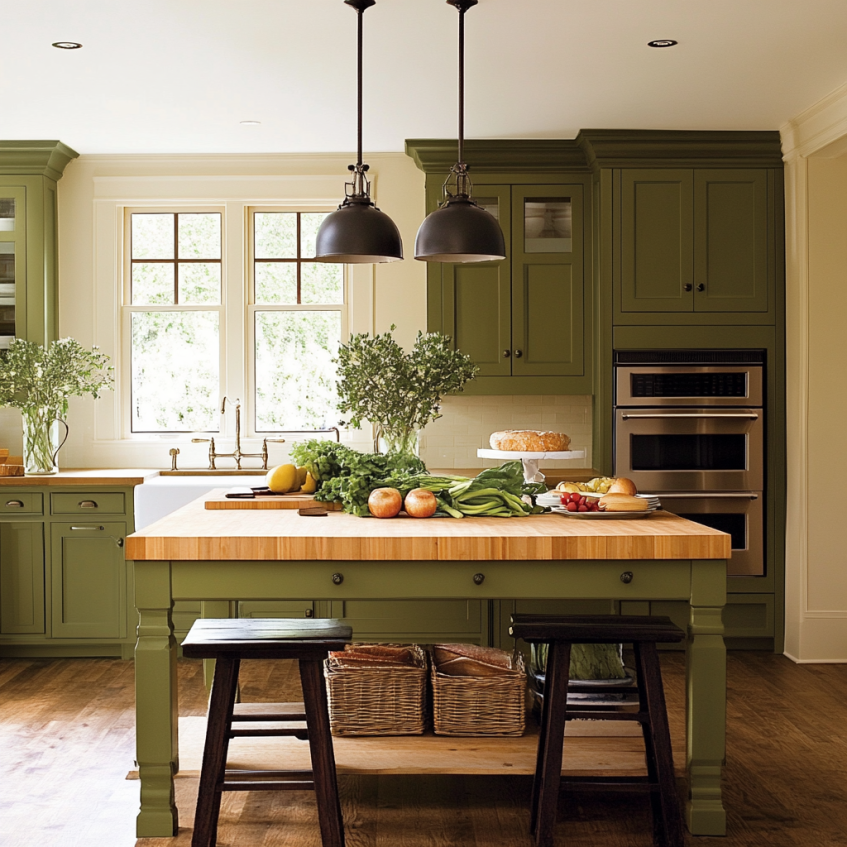
Reclaimed wood comes from old buildings, barns, or even shipping pallets. Instead of cutting new trees, you give new life to wood that would otherwise be discarded.
Benefits
- Reduces demand for new lumber and helps prevent deforestation
- Each piece has a unique story and character
- Often harder and more durable due to age
- Adds a rustic, lived-in charm to your kitchen design
Drawbacks
- Supply can be limited and inconsistent
- May require more work to clean, treat, or refinish
- Risk of pests or hidden contaminants if not handled properly
Best Practices
Buy from reputable salvage yards or suppliers who can tell you where the wood came from. Check for nails, lead paint, or other hazards before use. For safety, always ask if the wood has been kiln-dried, which kills insects and stabilizes the material.
Data Point
According to the National Association of Home Builders, using reclaimed wood can save up to 10,000 board feet of lumber per average home remodel. This is equal to saving several mature trees, making a real impact on forests.
Unique Insight
Some reclaimed wood, especially from older structures, is much denser and harder than new growth wood. This means your cabinets may be more resistant to dings and dents—a bonus for busy families.
Recycled Content Cabinets
Cabinets made from recycled materials—such as recycled wood fiber, paper, or even plastics—are gaining popularity. They help keep waste out of landfills and can be surprisingly attractive.
Benefits
- Reduces landfill waste
- Can be made to mimic many types of wood or stone
- Affordable compared to solid wood
- Often lighter weight, making installation easier
Drawbacks
- Some products may not be as durable
- Quality varies between manufacturers
- May not be suitable for high-humidity areas unless well-sealed
Common Types
- Recycled wood fiberboard: Uses wood scraps and sawdust
- Paper composite panels: Made from layers of recycled paper and resin
- Recycled plastic panels: Sometimes used for modern, colorful kitchen designs
Unique Insight
Paper composite surfaces are highly resistant to stains and heat, making them ideal for busy kitchens. However, they may not be suitable for cabinet frames that need to hold heavy items. It’s wise to use composites for doors and drawer fronts, with sturdy recycled wood for the structure.
Additional Example
A kitchen remodel in an apartment building used recycled fiberboard for all cabinet boxes, with reclaimed wood doors. The result was a stylish, low-emission kitchen at a fraction of the cost of all-new wood.
Formaldehyde-free Mdf And Plywood
Medium-density fiberboard (MDF) and plywood are standard in many kitchens. However, traditional versions contain urea-formaldehyde adhesives, which emit toxic gases. Newer, greener versions use formaldehyde-free resins.
Benefits
- Smooth, even surface for painting or veneering
- More affordable than solid wood
- Uses wood waste efficiently
- Ideal for painted cabinets or modern designs
Drawbacks
- Not as strong as solid wood if exposed to moisture
- Some products may still contain small amounts of VOCs
- Edges can be vulnerable to chipping if not sealed
Certifications
Look for CARB2 or NAF (No Added Formaldehyde) labels to ensure low emissions. Many major brands now offer greener MDF and plywood options.
Example
A kitchen with formaldehyde-free plywood cabinets can look and feel just like traditional cabinets while keeping indoor air safer for your family. Many schools and hospitals now specify these products for healthier spaces.
Unique Insight
Ask about all the layers in the cabinet: sometimes the core is formaldehyde-free, but the veneer or finish is not. A truly green product is low-emission throughout.
Wheatboard And Agrifiber Panels
Wheatboard and agrifiber are panels made from agricultural waste like straw, wheat, or even sunflower stalks. They use plant material that would otherwise be burned or thrown away.
Benefits
- Very low VOC emissions
- Utilizes waste from farms, reducing pollution
- Renewable and biodegradable
- Often lighter than wood, making installation simpler
Drawbacks
- Not as widely available as wood or bamboo
- May require special finishes for durability
- Some panels can swell if exposed to water
Unique Insight
Wheatboard is often stronger than regular particleboard and can be cut and shaped with standard tools. This makes it a practical choice for custom cabinets. Agrifiber panels are also a good option for those with allergies, as they’re less likely to harbor dust mites.
Additional Example
A green building project in the Midwest used wheatboard panels for all built-in storage, reducing the construction’s overall environmental impact by using regional farm waste.
Recycled Metal Cabinets
Metal cabinets, especially those made from recycled steel or aluminum, are gaining attention for both their sustainability and industrial style.
Benefits
- High recycled content (often 70% or more)
- Resistant to water, pests, and fire
- Can be recycled again at end of life
- Very long lifespan with minimal maintenance
Drawbacks
- Prone to dents and scratches if not handled carefully
- Can feel cold or noisy compared to wood
- May show fingerprints and smudges
Best Practices
Choose cabinets with a powder-coated finish, which is both durable and low in emissions. Avoid metals treated with toxic chemicals.
Data Point
Steel is the most recycled material in the world. In the U. S. , more than 80 million tons of steel are recycled each year, much of it used in new building products.
Unique Insight
Consider using metal for only part of your kitchen (such as island cabinets or lower units) to add interest without making the space feel too industrial.
Glass Cabinets With Recycled Content
Glass-front cabinets add a light, airy feel to kitchens. If made with recycled glass, they are also eco friendly.
Benefits
- High recycled content possible (up to 100%)
- Non-porous surface is easy to clean
- Modern, elegant look
- Does not absorb odors or stains
Drawbacks
- Can break if hit hard
- Shows fingerprints and smudges easily
- May require frequent cleaning in busy homes
Unique Insight
Recycled glass can be combined with concrete or resin to create strong, beautiful panels for cabinet doors. These panels often have a unique, speckled look. If you want something truly one-of-a-kind, some companies will customize the color mix to match your kitchen.
Additional Example
A coastal home used recycled blue and green glass panels for upper cabinets, reflecting the ocean outside and creating a unique, eco friendly focal point.
Cork Cabinets
Cork is a natural, renewable material harvested from the bark of cork oak trees. The trees are not cut down—instead, the bark regenerates every nine to twelve years.
Benefits
- Renewable and biodegradable
- Naturally resists mold, mildew, and pests
- Soft, warm feel
- Excellent acoustic properties—reduces noise in busy kitchens
Drawbacks
- Limited availability for full cabinet construction
- Softer than wood, so may dent more easily
- Can fade in direct sunlight over time
Best Practices
Cork is often used as a veneer on cabinet doors or drawer fronts. Look for suppliers who use FSC-certified cork to ensure sustainability.
Unique Insight
Cork’s softness makes it a great choice for homes with young children or seniors, as bumps are less likely to hurt. It’s also a good insulator, so cork-faced cabinets feel warmer to the touch.
Thermally Fused Laminate (tfl) From Green Sources
Thermally fused laminate is a durable finish applied to engineered boards like particleboard or MDF. When made with low-emission adhesives and recycled wood, TFL can be a green option.
Benefits
- Resists stains, moisture, and scratches
- Wide range of colors and patterns
- Affordable and easy to clean
- Stands up well in humid environments
Drawbacks
- Not as strong as solid wood
- Some laminates may still contain harmful chemicals
- Can chip at edges if not properly installed
Best Practices
Select TFL products labeled as Greenguard-certified or CARB2 compliant to ensure low VOCs. Confirm that both the core and the surface are certified.
Unique Insight
TFL is a smart choice for rental properties or homes with frequent kitchen messes, as it wipes clean easily and stands up to everyday wear.
Linoleum Cabinet Surfaces
Linoleum is often thought of as a flooring material, but it can also be used for cabinet surfaces. Made from natural ingredients like linseed oil, wood flour, and cork dust, linoleum is biodegradable and low in emissions.
Benefits
- Made from renewable resources
- Naturally antibacterial and easy to clean
- Available in many colors
- Soft touch, pleasant under hand
Drawbacks
- Softer than some other surfaces, can scratch
- Not common, so may require custom fabrication
- Somewhat limited to modern or retro styles
Unique Insight
Linoleum's flexibility makes it a good choice for curved cabinet doors or unique shapes that other materials cannot achieve. It’s also great for covering drawer interiors for a splash of color and easy cleaning.
Best Eco Friendly Cabinet Materials Compared
To help you compare, here’s a side-by-side look at how the most popular eco friendly cabinet materials perform on key factors:
| Material | Renewable | Recycled Content | Durability | VOC Emissions | Cost |
|---|---|---|---|---|---|
| FSC Solid Wood | Yes | No | Excellent | Low | High |
| Bamboo | Yes | No | Very Good | Low | Medium |
| Reclaimed Wood | No | Yes | Excellent | Very Low | High |
| Recycled Content MDF | No | Yes | Good | Low | Low |
| Wheatboard/Agrifiber | Yes | No | Good | Very Low | Medium |
| Recycled Metal | No | Yes | Excellent | None | High |
| Recycled Glass | No | Yes | Good | None | High |
| Cork | Yes | No | Fair | Very Low | Medium |
How To Choose The Right Eco Friendly Cabinet Material For Your Kitchen
Making the best choice depends on your budget, style, and sustainability goals. Here are some steps to help you decide:
1. Set Your Priorities
Do you care most about indoor air quality, recycled content, durability, or cost? Knowing what matters most will help you narrow your options. For example, if you have children with allergies, prioritize low-VOC and non-toxic materials.
2. Research Certifications
Look for third-party certifications like FSC, CARB2, or Greenguard. These give confidence that the product meets strict environmental standards. If you don’t see a label, ask for proof—reputable companies will provide it.
3. Ask About The Entire Cabinet
Sometimes only the cabinet doors are eco friendly, while the boxes and interiors are not. Make sure all parts of the cabinet meet your green standards. Insist on transparency from the builder or manufacturer.
4. Consider Maintenance
Some materials, like solid wood, need regular care. Others, such as TFL or metal, are lower maintenance but may not suit all tastes. If you travel often or have a busy family, lower maintenance may be best.
5. Check The Supply Chain
Ask your supplier where the materials come from and how they are processed. Materials made locally or regionally have a lower carbon footprint from transport. Also, support suppliers who use environmentally responsible packaging and shipping.
6. Get Samples
Colors and finishes can look different in your home than in a showroom. Order samples to see how they look with your lighting and decor. Touch and feel samples to judge durability and style.
Non-obvious Insight
Many people forget about the hardware—handles, hinges, and drawer slides. Choose hardware made from recycled metal or materials that are free of toxic coatings for a fully green kitchen.
Additional Insight
Consider the long-term use of your kitchen. If you cook often and have many family gatherings, choose materials known for durability and repairability, even if they cost more up front.
Common Mistakes When Choosing Eco Friendly Cabinets
Even with the best intentions, it's easy to make mistakes when trying to go green in the kitchen. Here are a few pitfalls to avoid:
1. Focusing Only On The Surface
Some cabinet makers offer eco friendly veneers but use non-green materials for the frame and box. Always ask about the inside materials and adhesives. If you’re unsure, request a written materials list.
2. Ignoring Chemical Emissions
A cabinet made from recycled materials can still emit VOCs if finished with high-emission paints or adhesives. Check for low or zero VOC finishes. Even some “water-based” finishes can contain solvents, so ask for test results or emissions data.
3. Overlooking Durability
A material that wears out quickly is not truly sustainable. Choose something that will last and can be repaired. If children or pets are in the home, ask about scratch and dent resistance.
4. Skipping Local Options
Importing green cabinets from far away can increase the carbon footprint. Look for local craftspeople or regional brands when possible. Local makers are also more likely to work with you on custom requests.
5. Forgetting About End Of Life
Think about what will happen to your cabinets in 20 years. Materials that can be recycled or composted are better for the planet. Avoid mixed-material cabinets that are hard to separate for recycling.
Additional Insight
Some buyers get focused on one “perfect” material, but a mix of two or three eco friendly options can be more practical and affordable. For example, use reclaimed wood for visible surfaces and recycled MDF for cabinet boxes.

Real Life Examples: Eco Friendly Cabinets In Action
To better understand how these materials work in real kitchens, here are a few practical examples:
Urban Loft With Recycled Metal Cabinets
A couple living in a city loft chose recycled steel cabinets with a powder-coated finish. The cabinets are easy to clean and reflect the industrial style of their building. The high recycled content and low emissions make the space healthier for their young children.
They paired the metal with reclaimed wood shelving for warmth.
Farmhouse Kitchen With Reclaimed Wood
A family remodeled their farmhouse kitchen using wood from an old barn nearby. The natural patina and weathered appearance give the kitchen character. By working with a local carpenter, they kept costs down and reduced the need for new materials.
The wood’s hard surface resists dents, and they used a plant-based oil finish for further protection.
Modern Condo With Bamboo Cabinets
A professional couple chose bamboo cabinets for their condo. The light, clean lines match their modern taste. The bamboo was harvested from a certified plantation and finished with low-VOC lacquer. The result is a healthy, stylish kitchen with a small environmental footprint.
Comparison Table: Cost, Availability, And Care
Here’s another look at how these materials compare when it comes to cost, how easy they are to find, and what care they need:
| Material | Typical Cost* | Availability | Care Required |
|---|---|---|---|
| FSC Solid Wood | $$$ | Good | Regular oiling, avoid moisture |
| Bamboo | $$ | Good | Occasional cleaning, gentle products |
| Reclaimed Wood | $$$ | Limited | Depends on finish, may need sealing |
| Recycled Content MDF | $ | Very Good | Wipe clean, avoid water |
| Wheatboard/Agrifiber | $$ | Fair | Gentle cleaning, check for wear |
| Recycled Metal | $$$ | Good | Polish to avoid rust, wipe clean |
| Recycled Glass | $$$ | Fair | Glass cleaner, avoid impact |
| Cork | $$ | Limited | Soft cloth, avoid sharp objects |
*Cost Key: $ = Budget, $$ = Mid-range, $$$ = Premium
Tips For Making Your Kitchen Even Greener
Choosing green cabinets is a great start, but you can do even more to make your kitchen eco friendly:
- Use LED lighting inside cabinets for energy savings
- Select countertops made from recycled glass or paper composite
- Choose backsplashes made from recycled tile or metal
- Install water-saving faucets and appliances
- Donate or recycle old cabinets instead of sending them to the landfill
- Opt for energy-efficient appliances and induction cooktops
- Use low-VOC caulks, sealants, and grouts when installing cabinets
You can also ask your cabinet maker to use water-based finishes instead of solvent-based ones. This small change can further reduce harmful emissions in your home.
Additional Insight
Plan for recycling or composting bins built into your cabinets. This makes it easier to separate waste and keeps your green kitchen organized.
Common Myths About Eco Friendly Cabinets
Many people have outdated ideas about what green cabinets look like or how they perform. Here are some myths and the real facts:
"green Cabinets Are Always More Expensive."
While some eco friendly materials cost more up front, others—like recycled MDF—can be very affordable. Over time, durable materials also save money by lasting longer. Installation cost is often similar to regular cabinets.
"they Only Come In Rustic Or Natural Styles."
Today’s green cabinet materials are available in every style, from modern to traditional. Bamboo, metal, and recycled glass all offer sleek options. You can even find custom colors and high-gloss finishes.
"eco Friendly Means Less Durable."
In reality, many recycled or green materials are just as tough as traditional ones. Reclaimed wood and recycled metal can be even harder than new wood.
"you Have To Sacrifice Color And Finish Options."
Most green materials can be painted, stained, or finished just like traditional cabinets. Linoleum and TFL offer a wide range of colors and patterns.
Unique Insight
Some homeowners think only the cabinet material matters. In fact, installation also affects how green your kitchen is. Using local installers and avoiding wasteful packaging can further reduce your kitchen’s impact.
Additional Myth
"Green cabinets are hard to clean. " Most eco friendly surfaces, like powder-coated metal, recycled glass, and TFL, are as easy—or easier—to clean than traditional ones.
Frequently Asked Questions
What Makes A Kitchen Cabinet Material Truly Eco Friendly?
A truly eco friendly cabinet material is one that is renewable, recycled, or salvaged, and processed with low-impact methods. It should have low or zero VOC emissions, use formaldehyde-free adhesives, and come from sources that protect the environment and workers. Certifications like FSC or Greenguard help confirm these qualities.
Are Eco Friendly Cabinets More Expensive Than Regular Ones?
Eco friendly cabinets can sometimes cost more due to the price of certified or recycled materials. However, there are budget-friendly options, such as formaldehyde-free MDF or recycled content fiberboard. Over time, the durability of green cabinets can save money on repairs and replacement.
How Do I Check If My Cabinets Are Low In Vocs?
Look for labels like CARB2 compliant, Greenguard certified, or NAF (No Added Formaldehyde). Ask your supplier for documentation and choose water-based finishes. If possible, let new cabinets air out before installation to reduce any remaining gases.
Can I Recycle My Old Kitchen Cabinets?
Yes, many old cabinets can be donated to organizations like Habitat for Humanity or taken to local recycling centers. Some cabinet makers also offer take-back programs. If your cabinets are made from solid wood, they can often be reused or repurposed for other projects. Even older MDF cabinets can be broken down and recycled if local facilities accept them.
Where Can I Find More Information About Sustainable Building Materials?
A good starting point is the EPA’s Green Building site, which offers guides and resources on eco friendly materials, including kitchen cabinetry.
Creating a green kitchen is not just about style—it’s about making choices that benefit your family and the planet for years to come. By choosing the best eco friendly kitchen cabinet materials, you invest in a healthier, more beautiful home.
Let your kitchen reflect your values and inspire others to make greener choices, too.