Every kitchen seems to have one: a pressure cooker sitting on the shelf, waiting to make meals faster and easier. People love how these devices cut cooking time and save energy. But many also hear stories about pressure cookers exploding or causing burns. This leads to a simple but important question: are pressure cookers dangerous?
The answer is not just yes or no. Like any tool, pressure cookers have both benefits and risks. Used in the right way, they are safe and very useful. But if handled incorrectly or if something goes wrong, accidents can happen.
This article explores all aspects of pressure cooker safety in detail. You’ll learn how they work, what real dangers exist, how to avoid mistakes, and what to look for in a safe cooker.
If you’ve ever worried about using a pressure cooker or wondered if it’s worth the risk, keep reading. By the end, you’ll have the facts to make confident decisions in your kitchen.
Understanding Pressure Cookers: How They Work
A pressure cooker is a sealed pot that uses steam pressure to cook food quickly. It works by trapping steam inside, which raises the pressure and the temperature. Instead of water boiling at 100°C (212°F), inside a pressure cooker, water boils at a higher temperature, usually around 120°C (250°F). This higher temperature cooks food faster than regular boiling.
Most modern pressure cookers have a locking lid, a rubber gasket or sealing ring, and a pressure release valve. These parts make sure the pot stays sealed and that pressure can be released safely when cooking is done. Some cookers are used on the stove, while others are electric and have digital controls.
Key parts of a pressure cooker:
- Lid with lock: Keeps the pot sealed during cooking.
- Sealing ring: Stops steam from leaking.
- Pressure valve: Lets out extra steam if pressure gets too high.
- Safety plug or backup valve: Acts as an extra safety in case the main valve fails.
- Pressure indicator: Shows when the pot is under pressure.
These safety features are important. They help prevent explosions by letting out steam if the pressure rises too much. However, no device is perfect. Problems can happen if parts are damaged, dirty, or used incorrectly.
The Real Dangers Of Pressure Cookers
While pressure cookers are safe when used properly, some risks are real. Understanding these risks is the first step to preventing them.
1. Explosions And Lid Blasts
The most serious danger is the cooker “exploding” or the lid blowing off. This can send hot food and steam across the kitchen, causing burns and damage. Most modern cookers are designed to prevent this, but it can happen if:
- The pressure release valve is blocked or not working.
- The lid is opened before all pressure is released.
- The sealing ring is not in place or is damaged.
- The cooker is overfilled with food or liquid.
Older cookers, especially those made before the 1980s, are more likely to lack safety features. This is why many stories about pressure cooker accidents involve old models.
2. Steam Burns
Hot steam under pressure can cause severe burns. Burns may happen if:
- The lid is opened while pressure remains inside.
- The pressure valve is touched or removed while hot.
- Steam escapes from a broken seal or vent.
Even a small mistake, like forgetting to keep hands away from the steam vent, can lead to injury.
3. Food Ejection
Sometimes, food or liquid is forced out through the pressure release valve. This can happen if:
- The cooker is filled with foamy foods (like beans or pasta) that block the valve.
- The pot is overfilled, leaving too little space for steam.
- The pressure is released too quickly, causing a sudden rush.
Flying hot food can burn skin or eyes. Also, sticky foods can clog the safety valves, making things more dangerous.
4. Electric Cooker Malfunctions
Electric pressure cookers have electronic parts that can fail. Risks include:
- Faulty sensors that do not detect pressure correctly.
- Digital controls failing, causing overheating.
- Power surges that damage safety features.
While rare, these problems can lead to burned food or even small fires.
5. Mechanical Failures
Wear and tear can cause problems over time:
- The sealing ring may crack or stretch, letting steam escape.
- Valves can become clogged with food debris.
- The lid lock can stop working, making it possible to open the pot while under pressure.
Regular cleaning and inspection are needed to keep cookers safe.
6. Chemical Reactions And Toxins
Certain foods release chemicals or foam that can block valves. For example, split peas and rhubarb can foam up and clog vents. Some cheap metal cookers may release harmful substances into food if the pot’s coating is damaged.
7. Misuse By Children
Pressure cookers should never be operated by children. Young users may not understand the risks or may try to open the cooker while it’s still pressurized. Always keep pressure cookers out of reach and teach older children about kitchen safety.
Pressure Cooker Safety Features: What Matters Most
Not all pressure cookers are created equal. Some are much safer than others. Here are the most important features to look for:
Multiple Pressure Release Valves
Good cookers have more than one way to let out excess steam. If the main valve fails, a backup will activate.
Locking Lid Mechanism
A proper locking lid will not open until all pressure is released. This is critical for safety. Try to open the lid only when the pressure indicator says it’s safe.
Gasket Quality
The sealing ring (or gasket) should be made of high-quality silicone or rubber. Poor materials crack and leak over time.
Pressure Indicator
This shows if the pot is still pressurized. Never open the lid until the indicator drops.
Overfill Markings
Some cookers have clear lines showing the maximum safe fill level. This reduces the risk of food blocking valves.
Automatic Shut-off (electric Cookers)
Modern electric models often stop heating if pressure or temperature gets too high.
Stainless Steel Construction
Stainless steel is more durable and less likely to react with food than aluminum. It also doesn’t chip or peel, reducing contamination risk.
Certified Brands
Choose cookers from well-known brands that meet safety standards. Look for certifications from organizations like UL (Underwriters Laboratories) or CE (Conformité Européenne).
Comparison Of Key Safety Features
Here is a side-by-side look at common safety features in different types of pressure cookers:
| Feature | Stovetop (Modern) | Electric | Old Models |
|---|---|---|---|
| Multiple Valves | Yes | Yes | No/One Only |
| Locking Lid | Yes | Yes | Rare |
| Pressure Indicator | Yes | Yes (Digital) | No |
| Automatic Shut-Off | No | Yes | No |
| Overfill Markings | Sometimes | Yes | No |
| Material | Stainless Steel | Stainless Steel/Nonstick | Aluminum |
| Certification | Usually | Usually | No |
Common Pressure Cooker Accidents: What Really Happens
Pressure cooker accidents are rare compared to the millions of safe uses every day. But when they happen, they can be serious. Here are some examples:
- Lid Explosion: A family in Texas suffered burns when their old cooker’s lid blew off after the pressure valve was blocked by beans.
- Steam Burns: In 2021, a home cook opened their electric cooker before the pressure dropped, causing hot soup to shoot out and burn their hands.
- Food Ejection: A woman cooking split pea soup released the pressure too fast, and hot foam clogged the valve, shooting peas across her kitchen.
- Electric Failure: An Instant Pot user reported the cooker overheating and melting the plastic base due to a faulty temperature sensor.
- Sealing Ring Problems: A user did not replace a worn-out gasket, and steam escaped, resulting in undercooked food and a kitchen mess.
Non-obvious insight: Most accidents happen not because the cooker is faulty, but because of incorrect use, poor maintenance, or ignoring safety instructions.
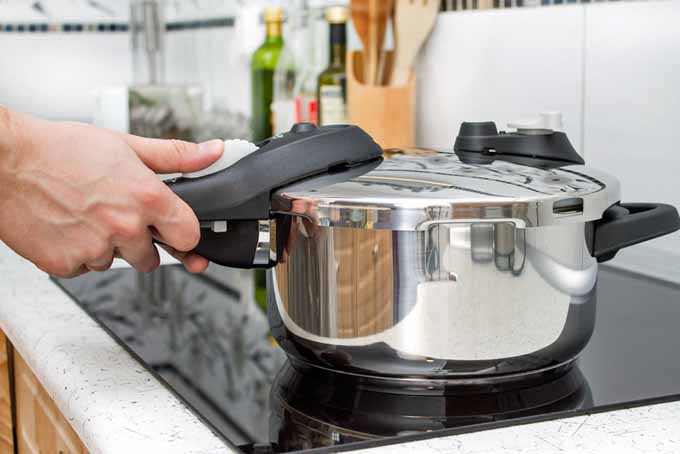
How To Use A Pressure Cooker Safely: Step-by-step
You can greatly reduce risks by following a few key steps. Safety is about habits, not just equipment.
1. Read The Manual
Every pressure cooker is different. Read and understand the instructions before your first use. Pay special attention to the safety tips.
2. Check Parts Before Each Use
Examine the sealing ring, valves, and lid. Look for cracks, food debris, or anything that looks wrong. Replace damaged parts right away.
3. Do Not Overfill
Never fill the cooker more than two-thirds full. For foods that expand (like rice or beans), go no higher than halfway. Overfilling increases the risk of clogging and food ejection.
4. Add Enough Liquid
Pressure cookers need liquid to create steam. Most recipes require at least one cup of water or broth. Without enough liquid, the cooker can overheat or burn food.
5. Use The Right Foods
Avoid very foamy foods unless your cooker’s manual says they are safe. Foods that foam can block vents and valves.
6. Secure The Lid Properly
Make sure the lid is locked before starting. On electric models, listen for the “click” or check the digital indicator.
7. Stay Nearby
Never leave a pressure cooker unattended, especially on the stove. If something goes wrong, you need to respond quickly.
8. Use The Pressure Release Safely
Let the pressure drop naturally if you can. For quick release, use a tool or wear an oven mitt to keep your hands away from steam.
9. Wait For The Indicator
Open the lid only when the pressure indicator shows it’s safe. Never force the lid open.
10. Clean After Every Use
Remove the sealing ring and wash it. Clean the valves with a brush or according to the manual. This prevents food from blocking safety features.
11. Replace Worn Parts
Sealing rings and valves wear out over time. Replace them at least once a year, or more often if you use the cooker a lot.
12. Store Properly
Leave the lid off or upside down when storing your cooker. This helps the sealing ring last longer and keeps the pot dry.
13. Teach Family Members
If others in your home use the cooker, make sure they know the rules. Do not let children use it without supervision.
Practical tip: Pressure cookers are not for cooking everything. Avoid deep-frying, making caramel, or cooking very thick sauces in them.
Pressure Cooker Myths Vs. Reality
Many people fear pressure cookers because of stories passed down from older generations. Let’s clear up some common myths.
Myth 1: Pressure Cookers Always Explode
Reality: Modern cookers have multiple safety features. Explosions are extremely rare and usually linked to old or badly maintained cookers.
Myth 2: Steam Always Burns You
Reality: If used correctly and released properly, steam is controlled and safe. Most burns happen from user error, not device failure.
Myth 3: Electric Models Are 100% Safe
Reality: Electric cookers reduce some risks but are not foolproof. Mechanical or electrical failures can still happen, especially if they are not cleaned or maintained.
Myth 4: All Foods Are Safe To Pressure Cook
Reality: Some foods, like rhubarb or applesauce, foam and can block valves. Always check your manual for safe recipes.
Myth 5: You Don’t Need To Replace Parts
Reality: The sealing ring and valves need regular replacement. Old parts can turn a safe cooker into a dangerous one.
Non-obvious insight: Many people don’t realize that using a pressure cooker on a glass stove top can be risky. The heavy pot and high heat can damage the surface, especially if the pot is dragged or overfilled.
Choosing A Safe Pressure Cooker: What To Look For
If you’re buying a new pressure cooker, safety should be your top priority. Here’s what to consider:
1. Brand Reputation
Buy from established brands with a history of safety and quality. Check for user reviews, safety recalls, and certifications.
2. Number Of Safety Features
Look for cookers with at least three independent safety features: locking lid, pressure release valves, and a pressure indicator.
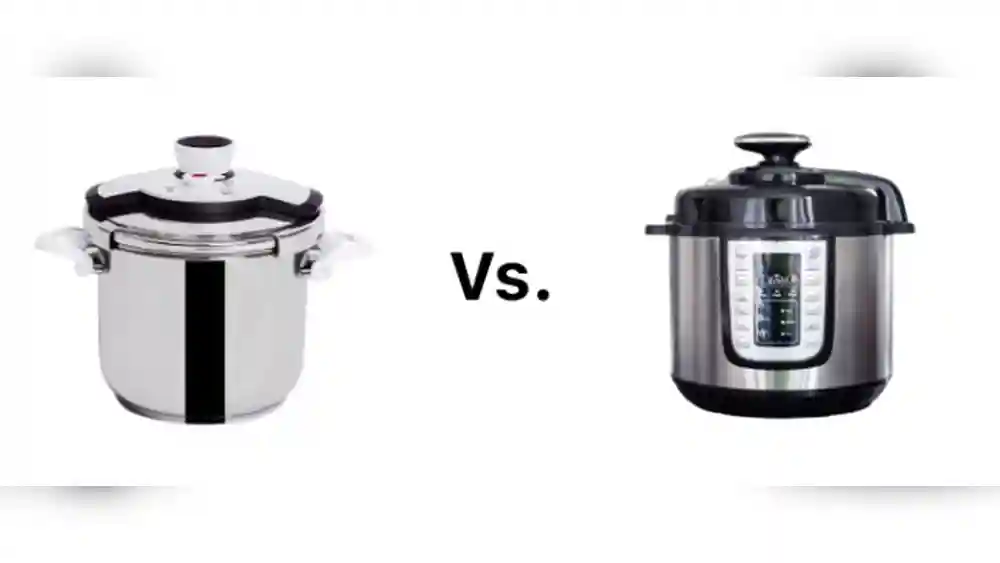
3. Type Of Cooker
- Stovetop models offer more control but require more attention.
- Electric models are convenient and often have built-in timers and shut-off features.
4. Material Quality
Choose stainless steel over aluminum for durability and food safety.
5. Size
Pick a size that suits your family. Larger cookers can be more dangerous if overfilled.
6. Warranty And Support
A good warranty shows the manufacturer stands behind their product. Support is important for replacing parts or handling problems.
Comparison Of Popular Cooker Types
Here is a look at how different types of pressure cookers compare for safety and convenience:
| Type | Pros | Cons | Safety Level |
|---|---|---|---|
| Stovetop Stainless Steel | Durable, cooks fast, easy to clean | Needs attention, manual control | High (if well-maintained) |
| Electric Multi-Cooker | Automatic controls, timers, versatile | Electronics can fail, slower pressure build | Very High |
| Old Aluminum Model | Cheap, lightweight | Fewer safety features, reacts with food | Low |
Practical tip: If you inherit an old pressure cooker, check with the manufacturer about possible upgrades or part replacements. Many old pots can be updated with modern safety valves and new gaskets.
Pressure Cooker Safety Around The World
Pressure cooker usage and safety rules are not the same everywhere. Some countries have more strict standards, while others rely on user caution.
- In the United States, the UL mark shows a cooker meets basic safety standards.
- In the European Union, the CE mark is required.
- In India and parts of Asia, millions use basic stovetop models daily, often without all the safety features seen in Western markets.
- In Japan, electric multi-cookers are common, and consumer laws require strong safety features.
Check your local safety standards and only buy products that meet or exceed them. If buying online, make sure the cooker is made for your country’s voltage and standards.
Real-world Data: How Dangerous Are Pressure Cookers?
Let’s look at actual numbers. According to the U. S. Consumer Product Safety Commission, there were about 1,000 emergency room visits each year related to pressure cookers in the past decade. Most injuries were burns, not explosions. By comparison, regular kitchen knives send over 300,000 people to the ER each year.
In one study, only 0. 001% of pressure cooker uses resulted in an injury. Most cases were linked to old or unmaintained devices, or ignoring instructions.
Example: The Instant Pot brand sold over 10 million units in North America in one year, but only a handful of injuries were reported—usually from steam burns when opening the lid too soon.
Non-obvious insight: Most insurance companies do not consider pressure cookers a high fire risk. This suggests that, statistically, they are safer than many other kitchen appliances.
Signs Your Pressure Cooker Is Unsafe
Pressure cookers do not last forever. Here are warning signs that you should repair or replace your cooker:
- Cracked or stretched sealing ring
- Warped lid or pot body
- Loose or broken locking mechanism
- Clogged or stuck pressure valve
- Missing backup valve
- Strange smells or discoloration inside the pot
- No pressure build-up even after heating
- Steam escaping from places other than the valve
- Unusual noises like hissing or rattling
- Old age (more than 10–15 years without upgrades)
If you see any of these, stop using the cooker and get it checked or replaced. Parts like sealing rings and valves are usually inexpensive and easy to replace.
Common Mistakes That Lead To Accidents
Even experienced cooks make mistakes. Here are the most frequent errors:
- Opening the lid before pressure drops
- Overfilling the pot
- Using the wrong type of food (foamy, thick, or sticky)
- Not cleaning the valve and ring after every use
- Using an old or damaged cooker
- Ignoring weird sounds or leaks
- Letting children operate the cooker
- Placing the cooker on an unstable or hot surface (like a glass stove top)
Practical example: One common beginner mistake is putting oil in the pot without enough liquid. This can cause the cooker to overheat and fail to reach proper pressure, leading to burned food or even fire.
How To Deal With A Pressure Cooker Emergency
If something goes wrong, stay calm and follow these steps:
1. If Pressure Is Too High
- Turn off the heat or unplug the cooker.
- Do not move or open the lid.
- Wait until the pressure indicator drops, or use the pressure release valve as instructed.
2. If Steam Escapes From The Sides
- Turn off the heat.
- Let the cooker cool down completely.
- Check the sealing ring and lid for damage before next use.
3. If Food Blocks The Valve
- Do not try to open the pot under pressure.
- Let all pressure release naturally.
- Once safe, clean the valve and check for blockages.
4. If The Cooker Catches Fire
- Unplug or turn off the stove (if safe).
- Use a fire extinguisher for kitchen fires.
- Do not pour water on electrical fires or burning oil.
5. If Someone Is Burned
- Remove them from danger.
- Run cold water over minor burns.
- Seek medical help for serious burns.
- Never put butter or ointments on burns.
Knowing what to do in an emergency can prevent a small problem from becoming a disaster.
Pressure Cooker Maintenance: Keeping Your Device Safe
Regular maintenance makes a big difference. Here’s how to keep your pressure cooker in top shape:
- Wash the pot, lid, and sealing ring after every use.
- Inspect the ring and valves every month.
- Replace the sealing ring at least once a year.
- Clean the pressure valve with a brush or toothpick (as directed).
- Store the cooker with the lid off or upside down.
- Check the user manual for specific care tips.
- Keep spare parts on hand, like extra gaskets or valves.
- Test the cooker with just water before first use or after long storage.
Practical tip: Do not use harsh chemicals or metal scouring pads, as they can damage the pot’s surface.
Benefits Of Using A Pressure Cooker (when Used Safely)
Despite the risks, pressure cookers offer many advantages when handled properly:
- Faster cooking: Meals that take hours can be ready in minutes.
- Energy savings: Uses less gas or electricity than slow cooking.
- Keeps nutrients: Less cooking time means more vitamins stay in the food.
- Tender results: Tough meats and beans become soft quickly.
- Versatility: Great for soups, stews, rice, and more.
- One-pot meals: Less cleanup and fewer dishes.
Many families find that a pressure cooker is the most useful appliance in their kitchen—once they learn to use it correctly.
Pressure Cooker Safety For Beginners: What Experts Say
Cooking experts and safety agencies agree: pressure cookers are safe when used as intended. The key is understanding your device, following instructions, and performing regular maintenance.
Expert advice:
- Always read the manual.
- Never skip cleaning.
- Replace worn parts before they fail.
- Start with simple recipes to learn the basics.
- Don’t be afraid, but do be careful.
As with any kitchen tool, respect and knowledge go a long way. Pressure cookers can be a safe and valuable part of your cooking routine.
For more technical information, visit the Wikipedia page on pressure cooking.
Frequently Asked Questions
What Is The Most Common Cause Of Pressure Cooker Accidents?
The most common cause is user error, such as opening the lid before pressure is fully released or not cleaning the valves properly. Accidents are rare with modern cookers if instructions are followed.
Are Electric Pressure Cookers Safer Than Stovetop Models?
Electric models often have more automatic safety features, like shut-off sensors and locking lids. However, both types are safe if used correctly and maintained regularly.
How Often Should I Replace The Sealing Ring?
Replace the sealing ring at least once a year, or sooner if you see cracks, stretching, or if it stops sealing well. Check your manual for exact recommendations.
Can I Cook All Foods In A Pressure Cooker?
No. Avoid very foamy or thick foods like split peas, applesauce, or pasta unless the manual says it’s safe. These foods can block valves and increase risk.
What Should I Do If My Pressure Cooker Starts Leaking Steam?
Turn off the heat, let the cooker cool and lose pressure, and check the sealing ring and valves for damage or food debris. Replace or clean parts as needed before next use.
Using a pressure cooker is not about luck—it’s about knowledge and care. With the right habits, you can enjoy all the benefits with very little risk.