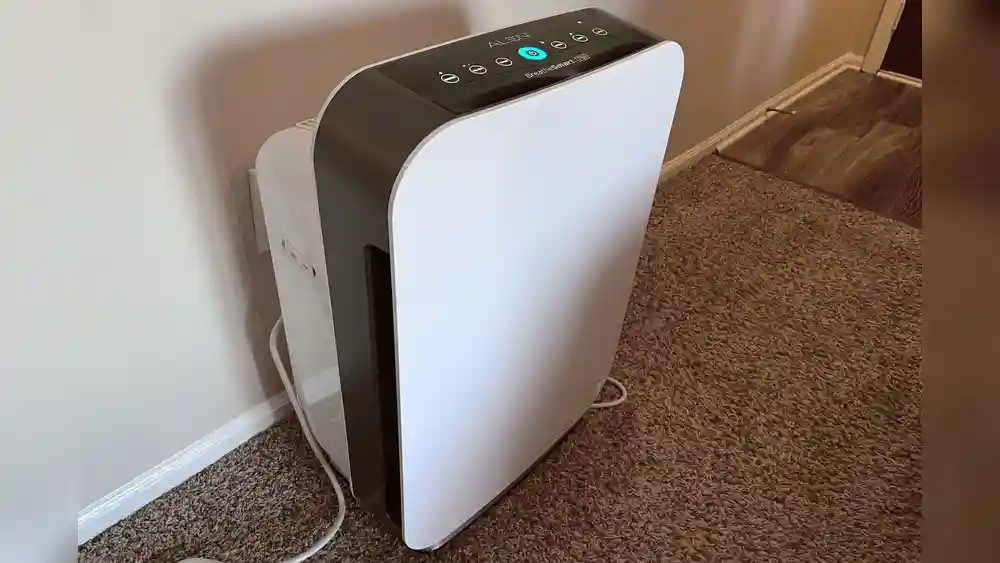
Breathing clean air at home is something most of us take for granted, but the reality is often different. Whether you live in a busy city or a quiet town, indoor air can be filled with dust, pollen, mold spores, pet dander, smoke, and even chemicals from cleaning products. Sometimes, you only notice the problem when allergies flare up or you catch a musty smell after closing the windows for a few days. This is where an air purifier for home comes in. Over the past decade, these devices have moved from luxury to necessity for many families, especially as health and wellness become more important in our daily lives.
If you’re new to air purifiers, it’s easy to get lost in technical terms and marketing claims. You might wonder: Do air purifiers really work? What type is best for my needs? How do I choose the right size? And what about all those replacement filters? This guide aims to answer those questions in clear, practical language, using real-life examples and the kind of advice you’d get from a knowledgeable friend or a calm expert who’s been there before.
Why Indoor Air Quality Matters
Indoor air pollution can be two to five times worse than outdoor air, according to the Environmental Protection Agency (EPA). Think about it: windows stay closed during winter or allergy season, and sources of pollution like cooking, pets, or new furniture keep adding particles and chemicals to the air. For children, older adults, and anyone with asthma or allergies, this can make daily life uncomfortable or even risky.
Small particles and gases can trigger coughing, eye irritation, headaches, and difficulty breathing. Long-term exposure may even contribute to serious health problems like heart disease or respiratory illnesses. Many people are surprised to learn that even seemingly clean homes have invisible pollutants that can affect sleep, mood, and productivity.
What Does An Air Purifier Do?
An air purifier for home is designed to remove unwanted particles and sometimes gases from the air. Most use a fan to pull air through filters, trapping dust, allergens, and other harmful particles before sending cleaner air back into the room. Some models use additional technologies, like UV-C light or ionizers, to target bacteria and viruses.
The main job of an air purifier is to make the air you breathe cleaner and safer. Depending on the model and filter type, an air purifier can help with:
- Reducing allergy symptoms (sneezing, itchy eyes, congestion)
- Removing pet hair and dander
- Minimizing odors from cooking, smoke, or chemicals
- Lowering the risk of mold and mildew
- Helping asthma sufferers by reducing triggers
Common Types Of Air Purifiers
It’s easy to get overwhelmed by the variety of air purifiers available. Each type has its strengths and weaknesses, and the best choice depends on your home and health needs.
Hepa Filter Air Purifiers
HEPA (High-Efficiency Particulate Air) filters are considered the gold standard for removing small particles. A true HEPA filter captures at least 99.97% of particles as small as 0.3 microns, including pollen, dust mites, and even some bacteria.
Most people with allergies or asthma find HEPA purifiers the most effective. However, they do not remove gases or odors unless combined with other filters.
Activated Carbon Filter Air Purifiers
These purifiers use activated carbon to trap odors and volatile organic compounds (VOCs) from cleaning products, paints, or smoke. Activated carbon filters work best alongside a HEPA filter, especially if you’re sensitive to smells or chemical fumes.
Uv-c Light Air Purifiers
UV-C light is used to kill bacteria, viruses, and mold spores. While this technology sounds promising, it’s most effective when used with strong filtration. Some users find UV-C purifiers helpful in reducing the risk of illness, but always check for ozone emissions, as these can be harmful.
Ionic And Electrostatic Air Purifiers
These models release ions that attach to airborne particles, causing them to settle on surfaces or be collected on a plate inside the machine. While they can reduce dust, some generate ozone, which can irritate lungs. If you have respiratory concerns, it’s best to avoid ozone-producing models.
Hybrid Air Purifiers
Hybrid models combine multiple technologies, such as HEPA, activated carbon, and UV-C light. They aim to cover all bases: particles, odors, and germs. These units are usually more expensive but can provide a more complete solution for families with diverse needs.
Key Features To Look For In A Home Air Purifier
Choosing the right air purifier for home is about more than just picking the most expensive model. Here’s what really matters:
1. Room Size And Cadr Ratings
Every purifier is designed for a certain room size, measured in square feet or meters. The Clean Air Delivery Rate (CADR) tells you how quickly and efficiently the purifier can clean a room. Higher CADR numbers mean faster, more effective air cleaning.
Example: A purifier with a CADR of 200 for dust is suitable for a medium-sized bedroom (about 250-300 square feet).
2. Filter Types And Replacement
Check which filters are included—HEPA, carbon, or others—and how often they need to be replaced. Some filters last six months; others up to a year. Always factor in the cost and availability of replacement filters.
3. Noise Levels
Air purifiers use fans, and some can be quite noisy. For bedrooms or nurseries, look for models with a quiet or “sleep” mode. Noise is usually measured in decibels (dB). A quiet purifier runs at around 20-30 dB.
4. Energy Use
Energy Star-certified models use less electricity. This can save money if you plan to run the purifier 24/7.
5. Smart Features
Many new purifiers have Wi-Fi, app control, air quality sensors, and automatic adjustment. These features can make daily use easier, but they’re not essential for everyone.
6. Design And Portability
If you move the purifier between rooms, check the weight and handle design. For small apartments, a compact unit can save space.
7. Extra Functions
Some purifiers add humidification or heating. These can be useful in dry climates but may raise the price.
Comparing Popular Air Purifier Models
To help you see real differences, here’s a direct comparison of three well-known home air purifiers:
| Model | Room Size | Filter Type | Noise Level (dB) | Special Features |
|---|---|---|---|---|
| Levoit Core 300 | 219 sq ft | HEPA, Carbon | 24-50 | Sleep mode, Timer |
| Dyson Purifier Cool | 400 sq ft | HEPA, Carbon | 40-62 | Fan, Oscillation, App control |
| Honeywell HPA300 | 465 sq ft | HEPA, Carbon | 35-63 | Turbo mode, Filter indicator |
Each of these models has earned strong reviews for reliability and performance. But as you can see, they differ in noise, room size, and extra features.
Who Needs An Air Purifier At Home?
While everyone can benefit from cleaner air, certain groups see the most noticeable improvements:
- Allergy and asthma sufferers: Removing pollen, dust mites, and pet dander can make a big difference in daily comfort.
- Families with pets: Even short-haired animals shed skin cells and hair that float in the air.
- Smokers or homes with smoke exposure: Purifiers help reduce lingering smells and harmful particles from cigarettes or cooking.
- New parents: Babies and children are especially sensitive to indoor pollutants.
- Elderly or immune-compromised individuals: Cleaner air can reduce the risk of infections and support overall health.
- People living near traffic or factories: Outdoor pollution often finds its way indoors.
What many new buyers overlook is that purifiers can also help with less obvious issues—like the fine dust that settles on furniture, or that “stuffy” feeling after cleaning with strong chemicals. If you’ve ever noticed you sleep better with the window open, you’ll likely notice a similar improvement with a good air purifier.
How To Choose The Right Air Purifier For Your Home
The selection process can feel overwhelming at first, but it gets easier if you break it down into steps. Here’s a practical guide based on real-life experience and what many users wish they’d known earlier.
Step 1: Identify Your Main Concerns
Are you battling seasonal allergies? Do you have pets? Is smoke or chemical odor a problem? Knowing your top concerns narrows down the best features to look for.
Step 2: Measure Your Room
Use a tape measure to find the length and width of the room where you’ll use the purifier. Multiply the numbers to get the square footage. Choose a model rated for at least that size, ideally a bit higher for better performance.
Step 3: Check For True Hepa And Carbon Filters
Don’t be fooled by “HEPA-type” or “HEPA-like. ” Only “True HEPA” meets strict standards. If odors are a problem, make sure the purifier also has an activated carbon filter.
Step 4: Consider Noise And Placement
If you want to run the purifier at night, check user reviews for noise levels. Some people are more sensitive to sound than others. Placing the purifier away from walls and obstructions improves airflow.
Step 5: Compare Filter Replacement Costs
A common mistake is ignoring long-term costs. Some units have expensive or hard-to-find filters. Check how often filters need changing and factor that into your yearly budget.
Step 6: Decide On Smart Features
Wi-Fi control, air quality sensors, and auto modes are convenient, but not essential. For tech lovers, these can be handy. For others, a simple control panel does the job just fine.
Step 7: Read Honest Reviews
Look for reviews from real users with similar needs to yours. Pay attention to complaints about build quality, filter replacement, or customer service.
Real-life Benefits: Stories From Homeowners
It’s one thing to read about air purifiers in theory, but real-world stories bring the topic to life.
Case 1: Allergy Relief
Maria, a mother of two in Boston, found her son’s spring allergies improved after buying a HEPA purifier. She noticed less sneezing in the mornings and no more itchy eyes after playing with the family cat.
Case 2: Cooking Odors Gone
James lives in a small apartment and loves to cook, but hated how curry and fish smells lingered. After adding a purifier with a strong carbon filter, he can now enjoy his meals without worrying about odors sticking around for days.
Case 3: Cleaner Air During Wildfire Season
In California, wildfire smoke can seep indoors even with windows closed. Sarah invested in a high-CADR purifier and noticed her headaches and sore throat disappeared, even when the air outside was hazy.
One non-obvious insight: Air purifiers can reduce the amount of dust on furniture and electronics. Many people notice less dusting is needed after running a purifier for a few weeks.
Another insight: For families with babies, an air purifier can help reduce airborne germs, especially during cold and flu season. While not a substitute for good hygiene, it adds an extra layer of protection.
Placement And Usage Tips For Best Results
Getting the most from your air purifier for home isn’t just about buying the right model. Placement, maintenance, and daily habits play a big role.
Where To Place Your Air Purifier
- Put the purifier in the room where you spend the most time—often the bedroom or living room.
- Place it at least a foot away from walls or furniture to allow good airflow.
- Avoid placing behind curtains or under tables, as this blocks the intake and output.
- For multi-story homes, consider a purifier for each floor, or move a portable unit as needed.
How Long To Run It
Most experts recommend running your air purifier continuously for best results. Some models have “auto” settings that adjust speed based on air quality, saving energy and noise at night.
Maintenance And Filter Changes
- Check and replace filters regularly—usually every 6-12 months for HEPA, and 3-6 months for carbon.
- Vacuum the exterior and pre-filter (if washable) to remove dust buildup.
- Watch for indicator lights or timers that alert you when it’s time to change filters.
Neglecting filter changes is a common mistake. A clogged filter can actually make air quality worse, not better.
Combining With Other Air Quality Steps
An air purifier works best as part of a full indoor air quality plan. Other helpful steps:
- Open windows when outdoor air is clean.
- Use exhaust fans when cooking or showering.
- Avoid smoking indoors.
- Choose fragrance-free cleaning products.
Air Purifier Myths And Misconceptions
There are many myths about air purifiers. Here are the most common—and the facts.
Myth 1: Air Purifiers Cure Allergies
Truth: They help reduce symptoms by removing triggers but aren’t a cure. You may still need medication or other allergy management.
Myth 2: All Air Purifiers Remove Viruses
Truth: Only certain technologies, like HEPA and UV-C, can reduce some airborne germs. Even then, purifiers should be one part of a broader health strategy.
Myth 3: Bigger Is Always Better
Truth: Oversized units can waste energy and money. Match the purifier to your room size for best results.
Myth 4: You Only Need One Purifier For The Whole House
Truth: Air purifiers work best in a single room or open area. For multi-room coverage, use more than one or invest in a whole-home system.
Myth 5: Purifiers Remove All Indoor Pollutants
Truth: While they help with particles and some gases, they don’t remove carbon monoxide, radon, or all chemicals. Good ventilation is still important.

Air Purifiers And Covid-19: What You Need To Know
During the COVID-19 pandemic, demand for air purifiers surged. Research suggests that HEPA filters can help reduce airborne virus particles, especially in shared spaces like offices or classrooms. However, no air purifier can guarantee protection from COVID-19 on its own.
Masks, ventilation, and hygiene remain essential.
For more detailed information, see this EPA guide to air purifiers and COVID-19.
Cost Of Owning An Air Purifier
It’s important to consider both the upfront and ongoing costs. Here’s a quick look at what you might expect:
| Cost Item | Low-End | Mid-Range | High-End |
|---|---|---|---|
| Initial purchase | $60-$120 | $150-$350 | $400-$800+ |
| Annual filters | $20-$50 | $50-$120 | $100-$250 |
| Electricity (year) | $10-$20 | $20-$35 | $30-$60 |
Over five years, a good-quality air purifier can cost $300–$1,200 including filters and energy. Before buying, make sure you’re comfortable with ongoing filter replacements.
Maintenance: Keeping Your Air Purifier Effective
Regular care is key to making sure your air purifier for home works at its best. Here’s what you need to do:
- Replace filters on schedule. Don’t wait for a drop in performance—stick to the manufacturer’s timeline.
- Clean the unit exterior with a damp cloth to remove dust.
- Vacuum washable pre-filters every month if your unit has them.
- Check for error lights or unusual sounds, which could mean a filter is clogged.
- Store replacement filters in a cool, dry place to extend their shelf life.
Most people forget step 3. A clogged pre-filter can slow airflow, making the whole unit less effective.
Air Purifier Safety Tips
Air purifiers are generally safe, but there are a few things to keep in mind:
- Never block the air intake or outlet.
- Don’t run the purifier near water (like in a bathroom) unless it’s designed for that use.
- Keep out of reach of small children and pets who might tamper with settings or cords.
- If your model uses ozone, follow all safety guidelines and avoid using it in occupied spaces.

Air Purifier Alternatives And Complements
While air purifiers are highly effective, some alternatives or additions can also help:
- Houseplants: Some plants can absorb VOCs, but they’re not as effective as a purifier for particles.
- Ventilation: Opening windows and using fans helps dilute indoor pollutants.
- Dehumidifiers: Lowering humidity reduces mold and dust mites.
- HVAC filters: Upgrading your central air filter can help whole-house air quality.
Combining these strategies creates a healthier living space.
Environmental Impact Of Air Purifiers
It’s worth thinking about the bigger picture. Air purifiers use energy and create waste from used filters. To minimize your impact:
- Choose Energy Star-rated units.
- Recycle filters if possible (check with your local recycling center).
- Run purifiers only when needed or use auto modes.
Some manufacturers now offer eco-friendly filters and packaging.
Air Purifiers And Pets
Pets bring love and joy into a home, but also dander, hair, and sometimes odors. An air purifier with a HEPA filter helps reduce airborne pet allergens, while a carbon filter tackles smells from litter boxes or wet dogs.
Many pet owners notice fewer allergy symptoms and less visible hair floating in sunbeams after adding a purifier. For best results, keep pets groomed and wash pet bedding regularly.
Air Purifiers For Baby And Kids’ Rooms
Young children are more sensitive to pollutants. For nurseries and kids’ rooms:
- Choose a quiet model with a low night-light setting.
- Avoid units that emit ozone.
- Place the purifier away from cribs and beds but close enough for good coverage.
- Clean and replace filters more often due to higher dust and allergens.
Some parents find their babies sleep better and have fewer colds when a purifier is running.
Using Air Purifiers In Different Seasons
Air quality needs can change with the seasons:
- Spring: Pollen is high; a HEPA purifier helps with allergies.
- Summer: Wildfires or smog are common in some areas—look for high CADR.
- Fall: Mold spores increase; keep up with filter changes.
- Winter: Homes are closed up, and indoor pollutants build up. A purifier plus ventilation can help.
Tip: If you notice a sudden drop in air quality (like after painting or using strong cleaners), run your purifier at top speed for several hours.
How To Know If Your Air Purifier Is Working
People often wonder if their investment is making a difference. Here are a few signs:
- You notice less dust on furniture and floors.
- Allergy or asthma symptoms improve.
- Lingering odors fade more quickly.
- Some advanced purifiers have sensors showing real-time air quality.
For a more scientific approach, you can buy a small air quality monitor to track levels of particulate matter and VOCs. This isn’t essential but can be reassuring.
Common Mistakes When Using Air Purifiers
Even the best air purifier won’t help if used incorrectly. Watch out for these mistakes:
- Buying a unit too small for your room.
- Placing it in a corner or behind furniture.
- Forgetting to change filters on time.
- Turning it off too often—continuous use is best.
- Ignoring the source of pollution (like smoking indoors).
A little attention to setup and maintenance goes a long way.
Frequently Asked Questions
How Often Should I Change My Air Purifier Filter?
Most HEPA filters last 6-12 months, while carbon filters need changing every 3-6 months. Always follow the manufacturer’s instructions for your specific model.
Can Air Purifiers Help With Covid-19?
HEPA filters can capture airborne virus particles, but purifiers should be used along with masks, ventilation, and good hygiene for best protection. No device can guarantee safety from COVID-19 by itself.
Will An Air Purifier Remove Cigarette Smoke?
A purifier with both HEPA and activated carbon filters can reduce smoke particles and odors, but may not eliminate all chemicals from cigarette smoke. It’s still best not to smoke indoors.
Are Air Purifiers Noisy?
Noise levels vary by model and fan speed. Many purifiers have a quiet or sleep mode for nighttime use. Check the decibel rating before buying if you’re sensitive to sound.
Do I Need An Air Purifier In Every Room?
If you want whole-home coverage, you’ll need a purifier in each main room or an advanced HVAC system with strong filtration. For most families, starting with bedrooms and living areas works well.
Breathing cleaner air at home is one of the simplest ways to support your health and comfort. By choosing the right air purifier and using it wisely, you can enjoy fresher air, fewer allergies, and a more restful living space—every day of the year.