Choosing the best toddler bed for your little one is more than just picking a piece of furniture—it’s about creating a safe, comfortable space where your child can grow, sleep soundly, and feel independent. You want a bed that fits your toddler’s needs today but also supports their development as they take those exciting first steps toward “big kid” independence.
In this guide, you’ll discover how to find the perfect toddler bed that balances safety, comfort, and style without overwhelming your budget. Keep reading to learn what features matter most, how to spot the right size, and which popular beds parents in Austin, Texas, and beyond are loving right now.
Your child’s peaceful nights—and your peace of mind—start here.

Top Toddler Bed Picks 2026
Choosing the right toddler bed sets the stage for safe, restful sleep. Toddlers need beds that fit their size and keep them secure. In 2026, many options offer comfort, safety, and style. Below are some top toddler bed picks that parents trust for their little ones.
These beds come with low frames and guardrails to prevent falls. They suit toddlers transitioning from cribs to bigger beds. Each model has unique features to match different needs and rooms.
Pottery Barn Kids Shelter Toddler Bed
This bed combines classic design with sturdy build. It features solid wood and a protective guardrail. Easy to assemble and fits standard toddler mattresses. Perfect for parents who want durability and style.
Target Storkcraft Pasadena Toddler Bed
An affordable choice with a charming design. Made from sustainable wood materials and finished with non-toxic paint. It offers a low profile for easy toddler access. A smart pick for budget-conscious families.
Sprout Birch Montessori Floor Bed
This floor bed supports independence and safe exploration. Its low height helps toddlers climb in and out freely. Built with natural birch wood and smooth edges. Ideal for parents favoring Montessori-style sleep spaces.
Walmart Dream On Me Classic Design Toddler Bed
Offers a simple, classic look at a great price. It has sturdy rails and a compact frame. Fits well in small bedrooms or shared spaces. Comes with free delivery for added convenience.
Graco Bailey Toddler Bed
Known for comfort and child-friendly design. Features easy-to-clean surfaces and a secure frame. The low height and guardrails keep toddlers safe. A popular choice among parents seeking reliability.
Comfort Features To Look For
Choosing the right toddler bed means focusing on comfort features. These features make bedtime cozy and safe. Toddlers need a bed that supports good sleep habits. Comfort helps your child feel secure and relaxed. This section highlights key comfort features for toddler beds.
Supportive Mattress
A firm mattress supports a toddler’s growing body. It keeps the spine aligned during sleep. Avoid mattresses that are too soft or saggy. Look for mattresses made from hypoallergenic materials. These reduce allergies and keep the bed fresh.
Soft, Breathable Bedding
Bedding should be soft to the touch and breathable. Cotton sheets work well to keep toddlers comfortable. Breathable fabrics help regulate body temperature. Avoid heavy or synthetic materials that trap heat.
Low Bed Frame
A low bed frame makes climbing in and out easy. It reduces the risk of falls and injuries. Low beds also help toddlers feel safe and less scared of heights. Choose a bed close to the floor for better comfort.
Guardrails For Safety
Guardrails prevent toddlers from rolling off the bed. They add a sense of security for both children and parents. Look for sturdy guardrails that are easy to clean. Removable guardrails offer flexibility as your child grows.
Rounded Edges And Smooth Surfaces
Rounded edges protect toddlers from bumps and bruises. Smooth surfaces are easy to clean and maintain. These features ensure a safe and comfortable sleeping area. Avoid beds with sharp corners or rough finishes.
Safety Standards And Certifications
Choosing the best toddler bed means prioritizing safety above all. Safety standards and certifications ensure the bed meets strict rules. These rules protect toddlers from harm while they sleep or play. Understanding these standards helps parents pick a secure bed. Certified beds reduce risks of accidents or injuries.
Understanding Cpsc Compliance
The Consumer Product Safety Commission (CPSC) sets rules for toddler beds. These rules cover materials, design, and strength. Beds must pass tests to prove they are safe. CPSC compliance means the bed will not have sharp edges or toxic paint. It also ensures the bed frame is strong and stable.
Astm International Standards
ASTM International creates safety guidelines for children’s products. Their standards for toddler beds focus on durability and safety features. These include guardrails, mattress size, and spacing between slats. Meeting ASTM standards shows a bed has passed thorough safety checks. Parents should look for ASTM certification on labels or descriptions.
Jpma Certification Benefits
The Juvenile Products Manufacturers Association (JPMA) certifies products for child safety. JPMA certification means the bed has been tested by independent labs. It confirms the bed meets or exceeds all safety standards. This certification covers choking hazards, toxic materials, and structural integrity. Choosing a JPMA-certified bed gives extra peace of mind.
Importance Of Non-toxic Materials
Safe toddler beds use non-toxic paints and finishes. These materials prevent harmful chemicals from affecting children. Certification checks include testing for lead and other toxins. A bed made with safe materials protects toddlers from health risks. Always check for non-toxic labels and certifications on the product.
Best Bed Sizes For Toddlers
Choosing the right bed size for toddlers is important for comfort and safety. Toddlers need beds that fit their growing bodies and provide enough space to sleep well. The bed should also be easy to get in and out of by the child. Parents prefer beds that can last through early childhood and fit well in the bedroom.
Bed size affects the child's sleep quality and room layout. It also helps in the transition from a crib to a bigger bed. The best bed sizes balance space, comfort, and safety for toddlers.
Standard Toddler Bed Size
The standard toddler bed size is usually 28 inches wide and 52 inches long. This size fits most toddlers well and matches the size of a crib mattress. It helps toddlers feel secure and comfortable. Standard toddler beds often come with guardrails to prevent falls. This size fits most bedrooms without taking too much space.
Twin Bed Size For Toddlers
Twin beds are larger than toddler beds, measuring about 38 inches wide and 75 inches long. This size works well for toddlers who are growing fast. It allows more room for movement during sleep. Twin beds can be used longer as the child grows into a young kid. Parents can add bed rails to keep the toddler safe.
Full Bed Size For Toddlers
Full beds are bigger, about 54 inches wide and 75 inches long. They offer plenty of room for active sleepers. This size is good for toddlers who share a bed with a parent or sibling. Full beds may not fit well in small rooms. They are best for families with enough space and budget.
Low-to-ground Bed Designs
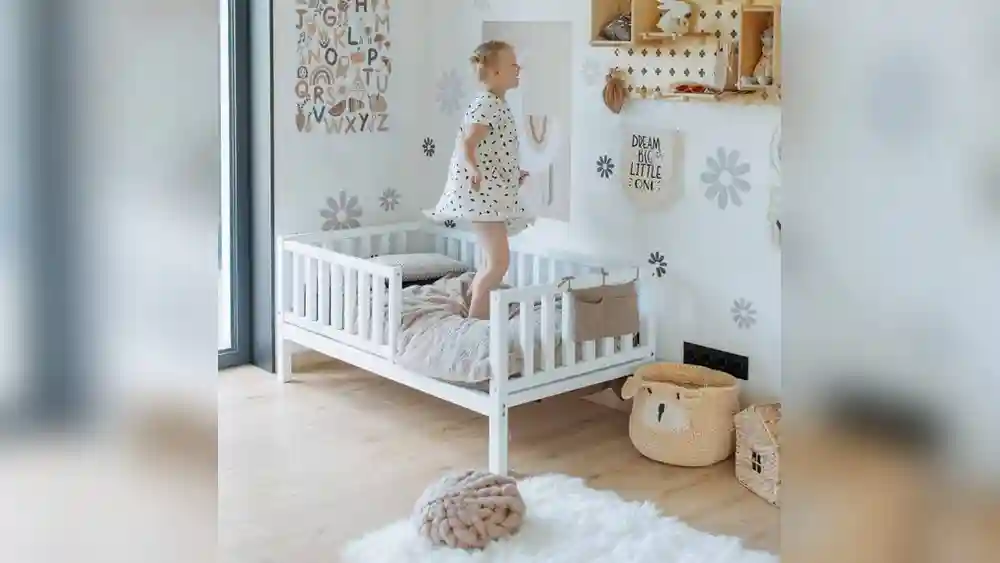
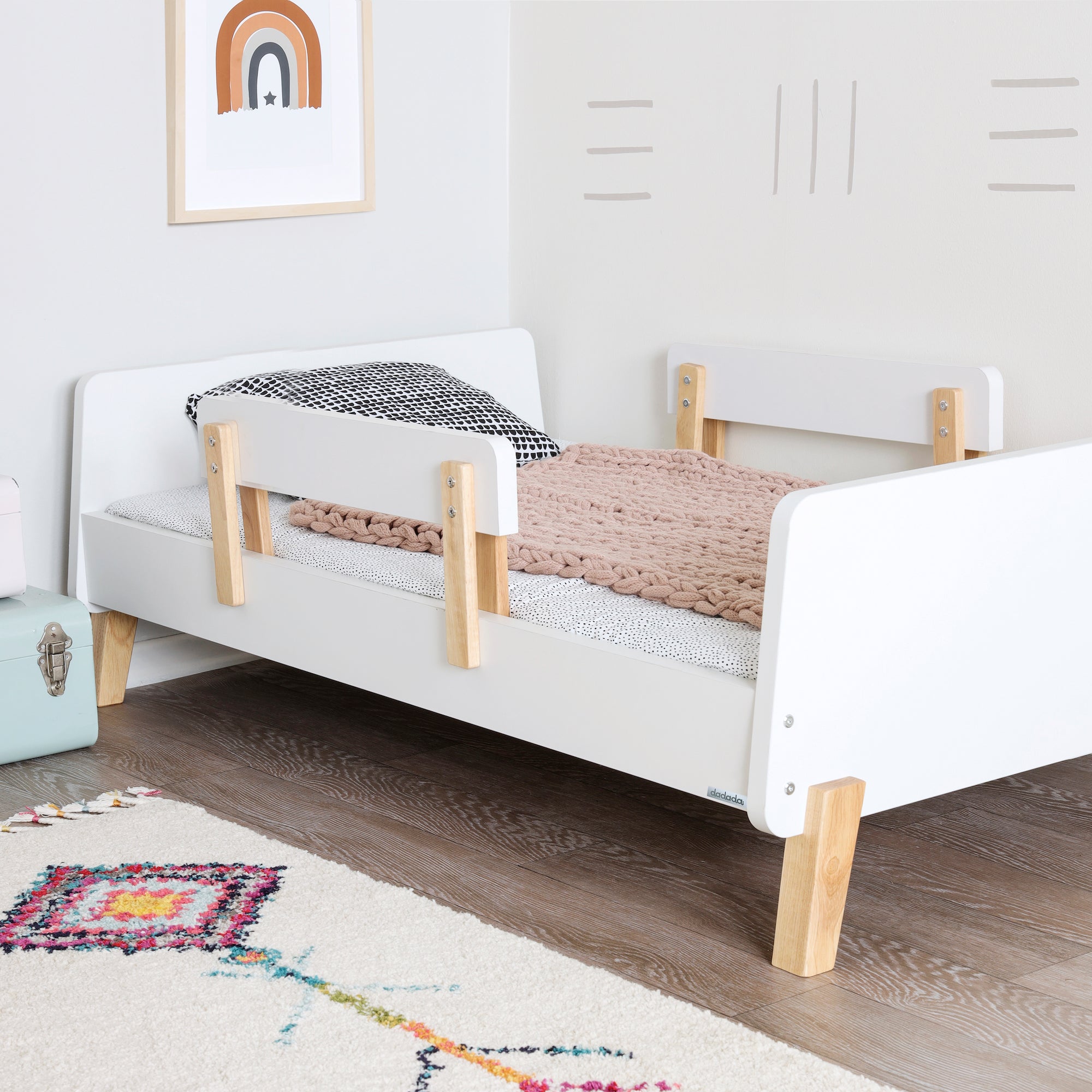
Low-to-ground bed designs are ideal for toddlers transitioning from cribs. These beds sit close to the floor, making it easy for toddlers to get in and out safely. They reduce the risk of falls-related injuries and encourage independence.
Parents appreciate low beds for their stability and comfort. Toddlers feel secure because the bed is not high off the ground. This design also fits well in smaller rooms and can suit various bedroom styles.
Safety Benefits Of Low-to-ground Toddler Beds
Low beds minimize fall heights, lowering injury chances. Toddlers can climb on and off without help. Guardrails often accompany these beds for extra protection. This setup supports safe, confident sleep routines.
Design Styles For Low-to-ground Beds
Many low bed designs come in simple, minimalist styles. Some look like small platform beds with clean lines. Others mimic fun themes like cars or animals. The low height blends well with playful or classic decor.
Materials And Durability
Wood is a popular choice for these beds due to its strength. Some use eco-friendly, non-toxic finishes safe for children. Durable construction ensures the bed lasts through toddler years and beyond.
Choosing The Right Mattress Size
Most low toddler beds fit standard crib or twin mattresses. Selecting the correct mattress size keeps the bed safe and comfortable. A firm mattress supports proper posture during sleep.
Guardrails And Fall Protection
Guardrails and fall protection are key features in toddler beds. They keep little ones safe as they sleep and move around. Toddlers are active and often roll in their sleep. Guardrails stop them from falling out of bed. This helps prevent injuries and gives parents peace of mind.
Choosing a bed with strong, well-designed guardrails is important. The rails should be high enough to block a toddler’s fall. They must also be sturdy and secure. Soft edges and smooth finishes reduce the risk of bumps and scrapes. Safety standards ensure guardrails meet strict rules for height and strength.
Types Of Guardrails
Guardrails come in different styles. Some beds have full-length rails on both sides. Others have rails only on one side or at the head and foot. Full rails offer the most protection but may feel confining. Partial rails provide safety with easier bed access. Decide based on your child’s age and sleep habits.
Material And Build Quality
Strong materials like solid wood or metal ensure guardrails last long. Look for smooth surfaces without splinters or sharp edges. Well-built rails stay firmly attached to the bed frame. Loose rails can be dangerous and defeat their purpose. Check reviews and product details before buying.
Height And Spacing Of Guardrails
Guardrails should be tall enough to stop a child from rolling over. The recommended height is usually at least 5 to 7 inches above the mattress. The space between rails must be small. This prevents toddlers from slipping through or getting stuck. Proper spacing also helps with airflow and comfort.
Additional Fall Protection Features
Some toddler beds include extra fall protection. This can be padded rails or removable bumpers. Bed mats placed on the floor add a soft landing if a fall happens. Low-to-the-ground beds reduce injury risk and make climbing in and out easier. These features work together to keep toddlers safe.
Mattress Types And Firmness
Choosing the right mattress for a toddler bed ensures comfort and safety. Mattress types and firmness affect your child's sleep quality. It also supports healthy growth and development. This section explains common mattress types and their firmness levels.
Innerspring Mattresses
Innerspring mattresses have metal coils inside for support. They offer good airflow, keeping the mattress cool. These mattresses are firm and provide strong support for toddlers. They tend to be durable and long-lasting. A firm innerspring mattress helps maintain proper spine alignment.
Foam Mattresses
Foam mattresses use layers of foam for comfort and support. They are lightweight and easy to move. Memory foam molds to the toddler’s body shape. This feature reduces pressure points and improves comfort. Choose a foam mattress with medium firmness for balance.
Hybrid Mattresses
Hybrid mattresses combine innerspring coils and foam layers. They offer the benefits of both types: support and softness. Hybrids provide good bounce and contouring for toddlers. These mattresses often have better airflow than pure foam. Medium-firm hybrids are ideal for toddler beds.
Mattress Firmness For Toddlers
Firmness is crucial for toddler safety and comfort. A mattress that is too soft can increase the risk of suffocation. Too hard can cause discomfort and poor sleep. Pediatricians recommend a medium-firm mattress for toddlers. It supports growing bones and prevents sinking too deep.
Convertible Toddler Beds
Convertible toddler beds offer great flexibility for growing children. These beds change from a toddler bed to a larger bed as your child grows. Parents appreciate the long-term use and cost savings.
Many convertible beds include guardrails for safety during the toddler stage. When your child is ready, you can remove the rails and expand the bed size. This adaptability makes them a smart choice for most families.
Benefits Of Convertible Toddler Beds
Convertible beds grow with your child, reducing the need to buy multiple beds. They save space and often have sturdy construction. This makes them a practical and durable option for toddlers.
Popular Convertible Toddler Bed Styles
Common styles include twin-size beds that convert into full beds. Some models transform into daybeds or even sofas. Many designs also match nursery decor for a cohesive look.
How To Choose The Right Convertible Toddler Bed
Consider the bed size, safety features, and materials used. Look for beds with easy conversion steps and secure guardrails. Also, check if the style fits your child’s room and needs.
Montessori Style Floor Beds
Montessori style floor beds offer toddlers a unique way to sleep and explore. These beds are low to the ground, encouraging independence and freedom of movement. They fit well into Montessori principles, promoting self-reliance and safety.
Parents choose these beds to help toddlers learn to get in and out of bed by themselves. The open design supports natural development and helps kids feel secure in their space.
What Is A Montessori Style Floor Bed?
This bed sits directly on the floor or very low to it. It has no high frame or guardrails. This design allows toddlers to move freely and explore their room safely.
The bed’s simplicity matches Montessori teachings. It encourages children to make choices and develop motor skills.
Benefits Of Montessori Floor Beds
Toddlers gain independence by accessing their bed easily. It helps them learn to sleep and wake up on their own.
The low height reduces injury risks from falls. It also creates a cozy, inviting sleeping spot.
These beds support a calm and peaceful room environment. They can be paired with soft bedding and simple decor.
How To Choose The Right Montessori Floor Bed
Look for sturdy materials like wood to ensure safety and durability. The mattress should fit snugly without gaps.
Pick a size that fits your toddler’s room and growth needs. Keep the area around the bed clear to allow easy access.
Consider adding soft rugs or cushions nearby for comfort and safety.
Budget-friendly Toddler Beds
Finding a budget-friendly toddler bed does not mean sacrificing quality or safety. Affordable beds can offer comfort and durability for your little one. These beds often come with simple designs that fit well in any room.
Choosing a bed that fits your budget helps manage expenses without stress. It also allows you to invest in other important toddler items. Many budget options include safety features like guardrails and sturdy frames.
Durable And Affordable Materials
Budget toddler beds usually use solid wood or strong metal. These materials keep the bed stable and safe for toddlers. They resist wear and tear better than cheaper plastics.
Simple Designs For Easy Use
Low-to-the-ground beds with guardrails are common in budget ranges. These designs help toddlers climb in and out safely. They also fit well in small bedrooms or shared spaces.
Space-saving Features
Some budget beds include storage drawers or under-bed space. This helps keep toys and clothes organized. It makes the room cleaner and more comfortable for your child.
Easy Assembly And Maintenance
Affordable toddler beds often come with clear instructions. This makes assembly quick and hassle-free. Many finishes are easy to clean, which saves time for busy parents.
Popular Budget Toddler Bed Options
Many brands offer toddler beds under $100. Walmart’s Dream On Me Classic Design is a favorite. It combines affordability with solid construction. Another good choice is the Delta Children Logan Toddler Bed, known for comfort and safety.
High-end Toddler Bed Options
High-end toddler beds offer style, comfort, and safety. These beds often use premium materials like solid wood. They provide durability and a timeless look that fits any nursery or kid's room. Many high-end options include thoughtful features such as built-in storage or convertible designs.
Choosing a high-end toddler bed means investing in quality. These beds often grow with your child, turning into toddler beds, daybeds, or even full-size beds. This flexibility saves money over time and reduces the need for frequent replacements.
Luxury Convertible Toddler Beds
Luxury convertible beds adapt as your child grows. They transform easily from toddler beds to twin beds. Some models include guardrails and safety features. Parents appreciate the long-term value and stylish design. These beds often come in natural wood finishes or painted options.
Montessori Style Toddler Beds
Montessori beds focus on independence. They are low to the floor, allowing toddlers to climb in and out safely. Many high-end Montessori beds use eco-friendly materials. The simple design fits minimalist or modern rooms. These beds support your child’s natural development.
Designer Themed Toddler Beds
Designer themed beds add fun to a toddler’s room. High-end options use quality fabrics and sturdy frames. Themes may include animals, cars, or fairy tales. These beds combine playfulness with safety standards. They create a cozy and imaginative space for your child.
Customizable Toddler Bed Options
Customizable beds let you choose colors and finishes. Some brands offer personalized name plaques. This option creates a unique and special bed. Parents can match the bed to the room’s decor. Custom beds often come with extra features like drawers or shelves.
Signs Your Child Is Ready
Knowing when to switch your child to a toddler bed helps make bedtime safer and more comfortable. Toddlers grow fast and their needs change quickly. Recognizing the signs your child is ready avoids frustration and keeps sleep routines smooth.
Watch for clues in your child's behavior and physical growth. These hints show readiness for a bigger bed and more freedom at night.
Physical Growth And Size
Your child may outgrow their crib by becoming too tall or heavy. If their legs hang over the crib’s edge or they try to climb out, it is time to move on. A toddler bed offers more space and easier access.
Increased Mobility
When your child climbs out of the crib, it can be dangerous. Toddlers who walk or run well need a bed that lets them get in and out safely. A toddler bed on the floor or with low height works best.
Showing Interest In A Big Kid Bed
Children often show excitement about using a “big kid” bed. They may ask to sleep outside the crib or want to use blankets and pillows. This curiosity signals readiness for the change.
Potty Training Progress
Starting potty training is a key sign. A toddler bed makes it easier for your child to get up at night to use the bathroom. This independence supports their growing skills and confidence.
Bedtime Behavior Changes
If your child resists the crib or wakes frequently, the bed may feel too small or confining. Switching to a toddler bed can improve sleep quality by offering more freedom and comfort.
Transition Tips For Parents
Switching from a crib to a toddler bed can feel like a big step. Toddlers need time to adjust to this new change. Parents play a key role in making the shift smooth and comfortable. Simple actions can help reduce fear and confusion for your child.
Patience and consistency are very important during this period. Small routines and clear rules help toddlers feel safe. Creating a calm and positive bedtime environment supports better sleep and less resistance.
Start With A Familiar Setup
Place the toddler bed in the same spot as the crib. Use the same blanket and pillow your child likes. Familiar things make the new bed feel less strange. This helps your toddler trust the new sleeping place.
Explain The Change Clearly
Talk about the new bed in simple words. Tell your child it is special and made for big kids. Show excitement and praise their growth. This encourages a positive attitude toward the bed.
Keep A Consistent Bedtime Routine
Stick to the usual steps before sleep. Bath, storytime, and cuddles should stay the same. Predictable routines signal that it is time to rest. This helps your toddler relax and fall asleep easily.
Use Safety Measures
Add guardrails to prevent falls. Keep the bed low to the ground. Remove sharp or hard objects nearby. Safety helps both parents and toddlers feel calm and secure.
Allow Time To Adjust
Expect some nights of restlessness or refusal. Comfort your child with gentle words and hugs. Avoid rushing or forcing the new bed. Gradual acceptance leads to better sleep habits over time.
Common Mistakes To Avoid
Choosing the right toddler bed requires careful thought. Avoiding common mistakes helps ensure safety and comfort for your child. Many parents make simple errors that affect their toddler’s sleep quality and safety.
Understanding these mistakes helps you pick the best bed without regrets. This guide highlights key pitfalls to avoid during your search.
Choosing A Bed Without Guardrails
Guardrails protect toddlers from falling out during sleep. Skipping guardrails increases the risk of injury. Always select a bed with sturdy, easy-to-use rails. Check that rails cover enough length for safety.
Ignoring Bed Height And Accessibility
Toddlers need beds low to the ground. High beds cause falls and fear. Low beds allow easy climbing and independence. Ensure the bed height matches your toddler’s ability to get in and out safely.
Picking The Wrong Mattress Size
Mattress size must fit the bed frame exactly. A mattress too small creates gaps where your child can get stuck. Too large mattresses may not fit properly and cause discomfort. Measure carefully before purchase.
Overlooking Safety Certifications
Not all toddler beds meet safety standards. Look for certifications from trusted organizations. Certified beds have passed tests for materials and construction. This reduces risks like toxic chemicals and loose parts.
Forgetting To Consider Room Space
Measure your child’s room before buying a bed. A bed that is too big limits play and storage space. A well-sized bed fits comfortably and leaves room for toys and movement.
Where To Buy Toddler Beds
Finding the right place to buy toddler beds is important. The bed should be safe, comfortable, and fit your child’s needs. Several stores offer a wide range of toddler beds. Prices and styles vary, so it pays to explore different options.
Many parents prefer to shop online for convenience and better deals. Others like to see the bed in person before buying. Both methods have benefits. Here are some popular places where you can buy toddler beds.
Online Retailers
Online stores provide many choices. Websites like Amazon and Wayfair have large selections. You can read reviews from other buyers. Delivery is often free and fast. Shopping online saves time and effort.
Big Box Stores
Stores like Walmart, Target, and Home Depot sell toddler beds. These stores offer budget-friendly options. You can visit the store to check the bed’s quality. Many have online shops too. Some even offer free delivery.
Specialty Kids’ Furniture Stores
Stores focused on kids’ furniture usually have higher quality beds. Pottery Barn Kids and buybuy BABY are good examples. They offer unique designs and sturdy materials. Prices may be higher, but quality is better. These stores provide good customer support.
Local Furniture Stores
Local shops may have toddler beds not found online. You support local business by shopping here. You can see the bed and ask questions directly. Some shops offer custom options. Prices vary, so compare before buying.

Frequently Asked Questions
What Kind Of Bed Is Best For A Toddler?
The best toddler bed is low to the ground with guardrails for safety. Twin or full size suits most toddlers. Choose based on your child's age, height, and climbing ability. A bed that offers easy access and security promotes comfort and independence.
Should A 2 Year Old Still Be In A Crib?
A 2-year-old can still use a crib if it suits their safety and comfort. Transition when they climb out or show readiness.
What Age Should You Start A Toddler Bed?
Start a toddler bed between 18 months and 3 years old, based on your child's readiness and safety needs. Look for climbing, independence, or potty training signs. Prioritize your child's comfort and development rather than a strict age rule when transitioning from a crib.
What Type Of Mattress Should A 3 Year Old Sleep On?
A 3-year-old should sleep on a firm, low-to-the-ground toddler mattress with guardrails for safety. Choose breathable, hypoallergenic materials.
What Is The Best Toddler Bed Size For My Child?
A low twin-size bed is ideal for most toddlers. It provides enough space and comfort while being easy to get in and out of.
Should Toddler Beds Have Guardrails For Safety?
Yes, guardrails prevent toddlers from falling out during sleep. They are an important safety feature for young children.
How Low Should A Toddler Bed Be From The Floor?
Toddler beds should be close to the floor, usually 7-12 inches high. This height helps toddlers climb in and out safely.
What Materials Are Best For Toddler Beds?
Wood and sturdy plastic are common materials. They offer durability and safety for active toddlers.
Can Toddler Beds Convert To Regular Beds?
Some toddler beds convert to twin beds. This feature helps extend the bed’s use as your child grows.
How To Choose A Toddler Bed Mattress?
Choose a firm, toddler-sized mattress that fits snugly. A good mattress supports healthy sleep and safety.
Conclusion
Choosing the best toddler bed creates a safe, comfy space for your child. Low beds with guardrails work well for toddlers. They help kids feel secure and prevent falls. Consider bed size and your child’s age for the perfect fit.
A good bed supports healthy sleep and growth. Remember, comfort and safety matter most in every choice. Your toddler will enjoy sweet dreams in their new bed. This simple step helps build a positive bedtime routine early on. Sleep well, little one!