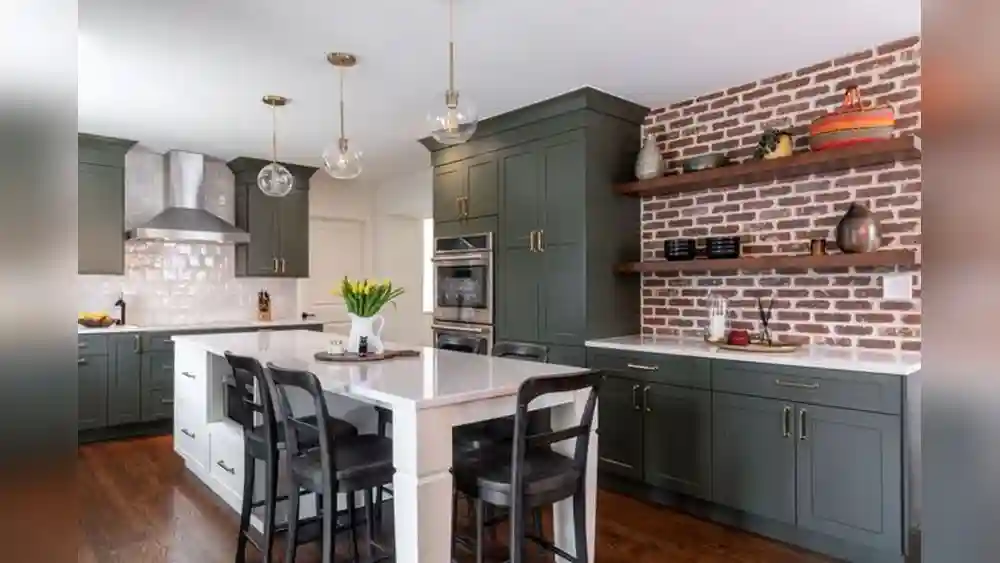
The kitchen is more than a place for preparing food. It’s a center for daily life, where function meets comfort. But even in the best kitchens, clutter can take over quickly. That’s where the right storage makes all the difference. Among all storage solutions, floating shelves stand out for their style and practicality. They keep your most-used items within reach, open up wall space, and give your kitchen a modern look. But with so many choices out there, how do you pick the best ones?
This guide explores the top kitchen floating shelves, highlighting what makes each option unique. You’ll discover shelves for small spaces, heavy-duty needs, and even those that add a touch of personality. You’ll also find out how to choose the right shelf for your kitchen, what to avoid, and how to install them safely. Whether you’re updating a compact apartment kitchen or designing your dream cooking space, these shelves can help you stay organized without sacrificing style.
Why Floating Shelves Are Perfect For Kitchens
Floating shelves offer much more than just a place to put your dishes. Their open design creates a sense of space, making even smaller kitchens feel bigger. They make it easy to grab what you need—no more searching through crowded cabinets.
Plus, with the right styling, floating shelves can turn everyday items into part of your kitchen decor.
Many people choose floating shelves to display favorite mugs, spice jars, or cookbooks. Others use them for practical storage, keeping pots and pans off the counters. The best part? You can mix and match different types to fit your needs and taste.
How To Choose The Best Kitchen Floating Shelves
Before you start shopping, it’s important to know what to look for. The right shelves should match your kitchen’s style, hold what you need, and last for years. Here are some key factors to consider:
1. Material Quality
Kitchen shelves face heat, moisture, and daily use. Solid wood, metal, and high-quality engineered wood are common choices. Solid wood shelves, like oak or walnut, are strong and classic. Metal shelves often have an industrial style and resist water. Engineered wood can be affordable but varies in durability.
2. Weight Capacity
Not all floating shelves are built the same. Some hold only light items like spices or cups. Others can support heavy stacks of plates or small appliances. Always check the maximum weight a shelf can hold. This information helps you avoid shelves that sag or fall off the wall.
3. Size And Depth
Think about the items you want to store. Deeper shelves are good for large bowls or cookbooks, while shallow shelves work for spices or mugs. Measure your wall space carefully to avoid shelves that stick out too far or look out of place.
4. Easy Installation
Some floating shelves require complex mounting, while others are simple to install. Look for shelves with clear instructions and all hardware included. If you’re not confident with tools, consider shelves that use wall anchors or brackets for extra support.
5. Style And Finish
Shelves come in many styles—rustic, modern, farmhouse, or minimal. Choose a finish that matches your cabinets, countertops, or appliances. Glass shelves look sleek in contemporary kitchens, while reclaimed wood adds warmth.
6. Price And Value
Floating shelves range from budget-friendly to high-end. Higher prices usually mean better materials and sturdier design. Still, you can find quality options at every price point. Focus on what fits your needs, not just the lowest price.
Non-obvious Insight: Hidden Mounting
One detail beginners often miss is how the shelf mounts to the wall. “Floating” usually means the hardware is hidden. However, some shelves have visible brackets or supports. True floating shelves create a clean look, but require precise installation. Always check if the mounting system fits your wall type (drywall, tile, brick).
Non-obvious Insight: Adjustability
Some floating shelves offer adjustable brackets or modular designs. This lets you move shelves up or down as your needs change—useful if you want to swap out kitchen tools or display different items through the year.
Top 15 Kitchen Floating Shelves
After reviewing hundreds of options and user experiences, here are the top 15 floating shelves for kitchens. Each offers something unique, from standout design to impressive strength. Let’s explore what sets them apart.
1. Rustic Reclaimed Wood Floating Shelf
Nothing brings warmth to a kitchen like reclaimed wood. These shelves are made from old barns, factories, or shipping pallets, giving each piece a story. The wood is usually treated and sealed for kitchen use. Reclaimed wood shelves suit farmhouse, industrial, or eclectic kitchens.
Strength is a key feature. Many can hold up to 40 pounds if installed into wall studs. Because each shelf is unique, you’ll see knots, nail holes, and color variations. These details add character and make your kitchen feel personal.
Installation can be a bit challenging because reclaimed wood is heavy. Make sure you use the right anchors or find studs in your wall. A tip: pair these shelves with simple black metal brackets for extra support if you plan to store heavy cookware.
2. White Shaker-style Floating Shelf
For a clean and timeless look, white shaker-style shelves are a top choice. Their simple lines and smooth finish fit almost any kitchen decor. They’re especially popular in modern, classic, and Scandinavian kitchens.
These shelves are usually made from MDF (medium-density fiberboard) with a painted finish. Some high-end versions use real wood. The finish makes them easy to wipe clean—great for kitchens where spills are common.
Most shaker-style shelves hold 20-30 pounds, enough for plates, cups, or pantry goods. Their main weakness is scratches, which can show on white paint. Still, their easy style and versatility make them a safe bet for most homes.
3. Industrial Pipe Floating Shelf
If you want a bold statement, consider industrial pipe shelves. These combine wood planks with black or silver metal pipes. The pipes attach directly to the wall and support the shelves from below or the sides.
Industrial shelves are some of the strongest you can buy. Many support over 50 pounds per shelf if installed with proper anchors. They’re perfect for heavy pots, cast iron pans, or large jars.
The metal pipes add a cool, urban look. These shelves work well in loft-style kitchens or spaces with exposed brick. Keep in mind, the pipes stick out a bit, so you’ll need more wall space compared to true “floating” shelves.
4. Glass Floating Shelf
For a light and modern touch, glass shelves are a smart choice. Tempered glass shelves are strong enough for dishes, glasses, or spices. Their clear design makes kitchens feel open and bright.
Installation usually involves metal brackets that hold the glass in place. These are often hidden or designed to blend with the wall. Glass shelves are easy to clean but can show fingerprints or water spots.
One tip: use glass shelves near windows or under-cabinet lighting. The glass reflects light, making the space feel larger. Avoid placing very heavy items on glass shelves, even if they’re labeled as “tempered”—safety first.
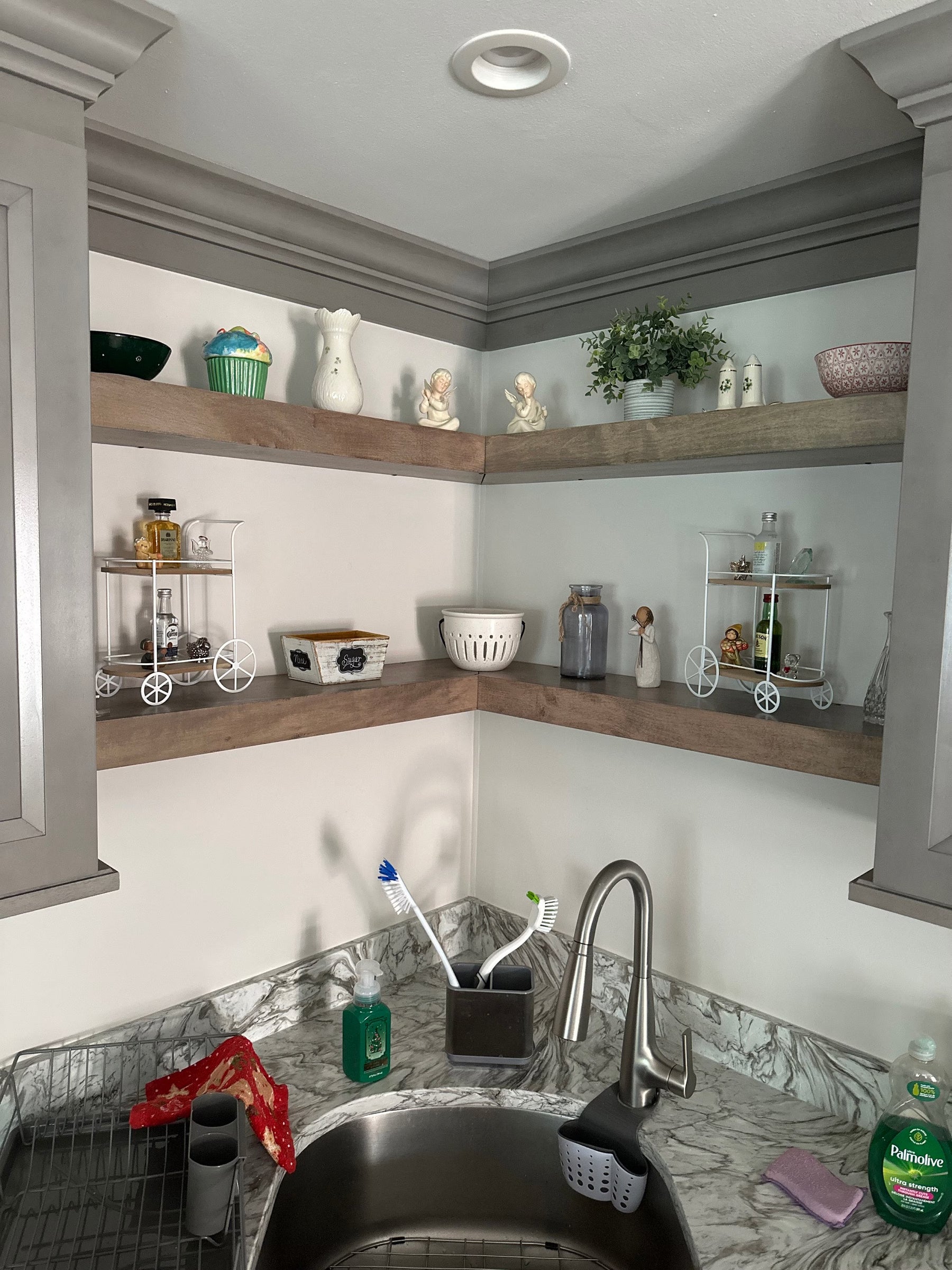
5. Corner Floating Shelf
Don’t let your kitchen corners go to waste. Corner floating shelves fit into tight spaces, turning unused areas into smart storage. These shelves are often triangular or quarter-circle shaped.
Most corner shelves are made from wood or MDF. They’re good for small plants, spice jars, or displaying a favorite mug. Because corners can be tricky for mounting, look for shelves with strong brackets or wall anchors.
Corner shelves are a great choice for small kitchens. They give you extra space without cluttering the main walls. For best results, stack two or three in a vertical line.
6. Stainless Steel Floating Shelf
Professional kitchens often use stainless steel shelves for a reason. Stainless steel is tough, resists stains, and won’t warp in humidity. It’s also easy to sanitize, which is important near food prep areas.
These shelves look sleek and modern. They match stainless steel appliances and work well in minimalist kitchens. Most can hold 30-40 pounds, making them suitable for heavy cookware or pantry items.
One downside is that stainless steel can show scratches or fingerprints. Still, a quick polish brings back the shine. For people who cook often or want a “chef’s kitchen” look, these shelves are hard to beat.
7. Floating Shelves With Integrated Hooks
Some floating shelves come with built-in hooks under the main shelf. These are perfect for hanging mugs, utensils, or towels. The hooks save space and keep essentials within easy reach.
You’ll find these in wood, metal, or even bamboo. They’re especially useful above sinks or near stoves. Most can hold about 20 pounds on the shelf and a few pounds on each hook.
A practical tip: check that the hooks are strong enough and spaced far enough apart for your items. Cheaper models may have weak hooks that bend over time.
8. Bamboo Floating Shelf
If you want an eco-friendly option, bamboo shelves are a smart pick. Bamboo is renewable, strong, and naturally resists moisture. It has a warm, golden color that brightens up kitchens.
Bamboo shelves work well in modern, tropical, or boho kitchens. They’re light but sturdy, usually holding up to 25 pounds. Installation is usually straightforward, but check that the mounting hardware matches your wall type.
A less obvious benefit: bamboo doesn’t swell or crack as easily as some woods. This makes it ideal for kitchens with lots of steam or temperature changes.
9. Adjustable Modular Floating Shelf System
Some kitchens need flexible storage. Modular floating shelves let you add, remove, or move shelves as your needs change. These systems often use a wall-mounted rail with adjustable brackets.
This setup is perfect for growing families or people who like to change up their kitchen display. You can start with two shelves and add more later. Most systems are made from metal or high-strength wood.
A non-obvious advantage: you can adjust shelf height for tall items like pitchers or blenders. Modular systems cost more upfront but offer long-term value.
10. Minimalist Slimline Floating Shelf
When space is tight, slimline shelves provide storage without bulk. These shelves are usually under 5 inches deep, perfect for spices, oils, or small cups. Their thin profile makes them almost disappear against the wall.
Slimline shelves are often made from metal or painted MDF. They’re lightweight and easy to install, even for beginners. Just remember, these shelves aren’t meant for heavy loads—keep it light and simple.
They’re a favorite in galley kitchens or apartments, where every inch counts. For a seamless look, match the shelf color to your wall paint.
11. Double-layer Floating Shelf
Why settle for one shelf when you can have two? Double-layer shelves stack two surfaces in a single unit. This doubles your storage without taking up extra wall space.
Double-layer designs are great for organizing by category—plates on top, cups below, for example. Some models even include hooks or a small rail for towels.
These shelves are heavier and need strong wall anchors. Check that your wall can support the extra weight. For busy kitchens, double-layer shelves keep essentials organized and close at hand.
12. Floating Spice Rack Shelf
If you love to cook, a floating spice rack can be a game changer. These shelves are designed with narrow ledges and sometimes a lip or rail to keep jars from falling.
Spice rack shelves are usually placed near the stove or prep area. They keep spices visible, so you never lose track of what you have. Most are made from wood, bamboo, or metal.
A tip: choose a spice rack with adjustable shelves if you use both small and large jars. Some racks even include chalkboard labels for easy organization.
13. Heavy-duty Floating Shelf For Appliances
Some kitchens need serious strength. Heavy-duty floating shelves are built to hold appliances like microwaves, stand mixers, or slow cookers. They use thick wood, metal brackets, or reinforced mounting systems.
These shelves can handle 50 pounds or more, but only if installed into studs or masonry. Never mount a heavy-duty shelf with just drywall anchors—they can fail under load.
Heavy-duty shelves often have a simple, industrial look. If you want to clear your counters but keep appliances handy, this is a smart solution.
14. Decorative Floating Shelf With Rail
Not all shelves are just for storage. Decorative floating shelves often include a small metal or wood rail. The rail prevents items from slipping off and adds a stylish touch.
These shelves are perfect for displaying special dishes, plants, or art. The rail is also useful for holding recipe cards or small towels.
Decorative shelves usually hold less weight—around 10-15 pounds. They’re more about looks than heavy storage. Place them above the backsplash or next to windows for maximum effect.
15. Led-lit Floating Shelf
For a dramatic effect, try LED-lit floating shelves. These shelves have built-in LED strips that light up the items on display. It’s a unique way to highlight glassware, cookbooks, or special decor.
LED shelves are typically made from glass, acrylic, or painted wood. The wiring is hidden inside the shelf or behind the wall. Some models allow you to change colors or dim the lights.
Installation is more complex, often needing an electrical outlet nearby. But the result is stunning—a shelf that turns everyday objects into a focal point.
Comparison: Top Kitchen Floating Shelves At A Glance
To help you see the key differences, here’s a side-by-side look at five popular types:
| Shelf Type | Material | Weight Capacity | Best For | Style |
|---|---|---|---|---|
| Reclaimed Wood | Solid wood | 40+ lbs | Heavy items, rustic decor | Farmhouse, Industrial |
| White Shaker | MDF/Wood | 20-30 lbs | Everyday use, clean look | Modern, Classic |
| Industrial Pipe | Wood & Metal | 50+ lbs | Pots, pans, bold accents | Urban, Loft |
| Glass | Tempered Glass | 10-20 lbs | Display, light storage | Modern, Minimal |
| Bamboo | Bamboo | 25 lbs | Eco-friendly homes | Natural, Contemporary |
How To Install Floating Shelves Safely
Even the best shelf can fail if installed poorly. Follow these steps to ensure your new floating shelves are secure and safe for daily use.
1. Find Wall Studs
For heavy shelves, always mount into studs (the wooden beams behind your walls). Use a stud finder or tap the wall to locate them. Mark the spot with a pencil.
2. Use The Right Hardware
Most floating shelves come with screws and anchors. For drywall, use heavy-duty anchors rated for your shelf’s weight. For tile or brick, use masonry anchors.
3. Level The Shelf
A crooked shelf is frustrating and unsafe. Use a bubble level to double-check your markings before drilling.
4. Pre-drill Holes
Drill pilot holes for the screws. This makes it easier to attach the shelf and reduces the risk of splitting the wall or shelf.
5. Secure The Brackets
Attach the shelf’s mounting hardware to the wall first. Make sure it’s tight and doesn’t move. Then slide the shelf onto the hardware.
6. Test Before Loading
Before adding heavy items, give the shelf a gentle shake. If it feels loose, recheck the hardware. It’s better to fix problems now than after a shelf falls.
Practical Example
Imagine you’re installing a 36-inch reclaimed wood shelf. It weighs 10 pounds and will hold 30 pounds of dishes. You find two studs 16 inches apart. Use long screws into each stud, add wall anchors for the center, and check with a level.
Once mounted, the shelf easily supports your kitchen essentials.
Common Mistakes To Avoid
Many people make the same errors when adding floating shelves to their kitchen. Here’s what to watch out for:
- Overloading the Shelf: Every shelf has a maximum weight. Ignore this, and you risk sagging or falling. Always check the limit.
- Poor Wall Choice: Drywall alone isn’t strong enough for heavy shelves. Find studs or use special anchors.
- Ignoring Shelf Depth: Shelves that are too deep can block movement or look awkward. Match the shelf depth to your space and needs.
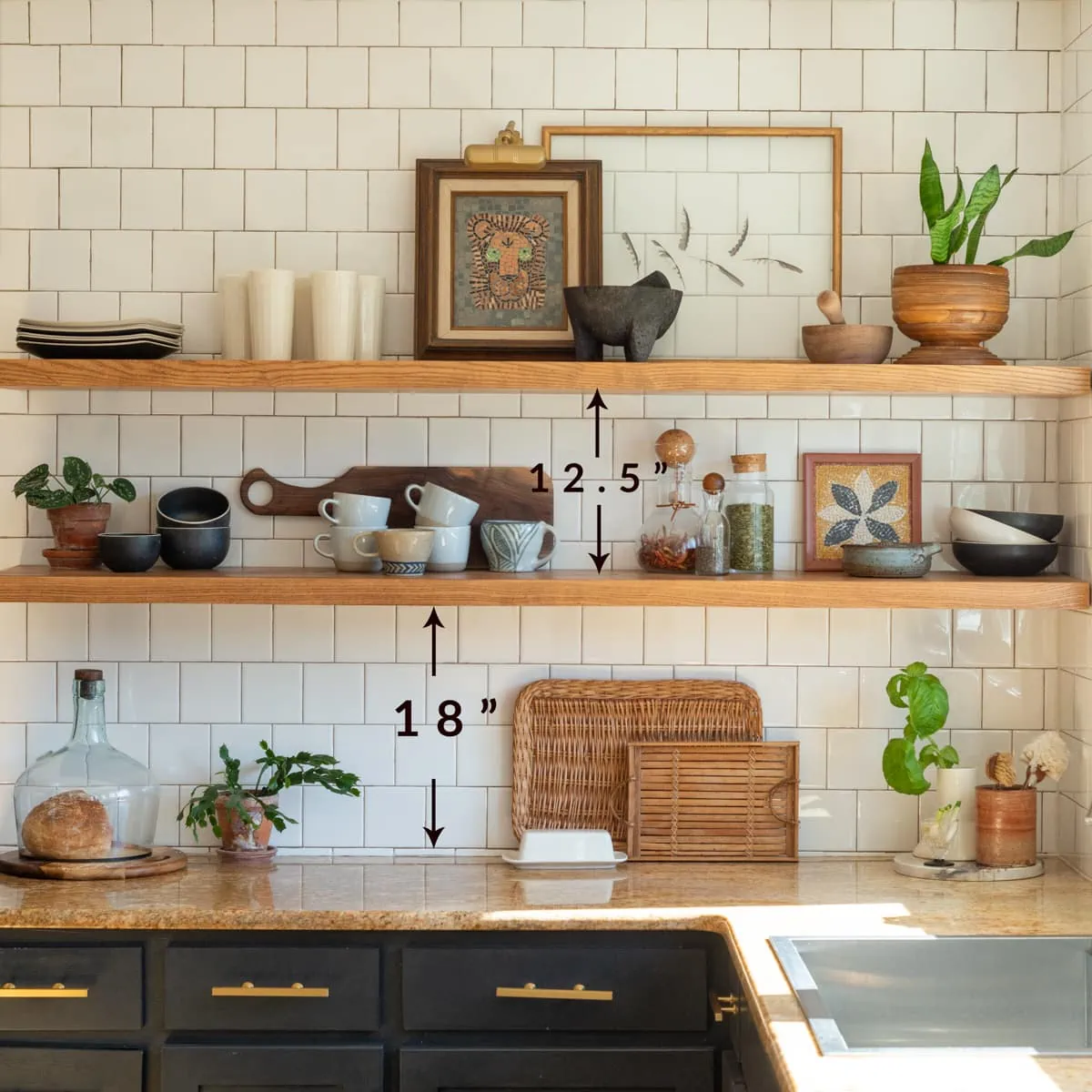
- Bad Placement: Placing shelves too high or low makes them hard to use. Position them at eye level or slightly above your main work surface.
- Skipping a Level: Even a small tilt is noticeable. Use a level every time.
- Wrong Materials: Some shelves aren’t suitable for kitchens—avoid particleboard or untreated wood near sinks or stoves.
- Forgetting About Clearance: Make sure doors, windows, and cabinets can open fully without hitting the shelf.

How To Style Kitchen Floating Shelves
Storage is important, but floating shelves also offer a chance to show your personality. Here’s how to style them for maximum impact:
- Mix Practical and Pretty: Combine everyday dishes with a few decorative items like a small plant or framed recipe card.
- Use Groups of Three: Odd numbers look more balanced. Try three jars, bowls, or mugs together.
- Vary Heights: Stack plates, stand up a cutting board, and add a tall bottle for interest.
- Change with the Season: Swap out items for a fresh look—spring flowers, autumn mugs, or holiday decor.
- Leave Some Space: Don’t overcrowd. Open space keeps shelves from feeling cluttered.
A non-obvious tip: Use clear jars or containers to store dry goods like pasta, rice, or flour. This keeps food fresh and adds texture to your display.
Data: Floating Shelf Popularity And Trends
Floating shelves have grown in popularity over the last decade. According to market research:
- Over 40% of new kitchen remodels in the U.S. include open shelving or floating shelves.
- Searches for “kitchen floating shelf ideas” have increased by more than 200% since 2018.
- In small kitchens (under 100 sq. Ft.), floating shelves are chosen twice as often as upper cabinets.
Why the surge? Homeowners want kitchens that feel open, customizable, and easy to use. Floating shelves deliver all three.
Real-life Examples And Inspiration
Let’s look at how floating shelves work in real kitchens:
- Small City Apartment: A couple uses slimline metal shelves above the sink for spices and mugs. The open design makes the tiny kitchen feel larger, and everyday items are always within reach.
- Family Home: Three double-layer wood shelves hold plates, bowls, and glassware. Hooks underneath store measuring cups. A potted plant adds color.
- Chef’s Kitchen: Stainless steel shelves line one wall, holding pots, pans, and mixing bowls. The shelves are easy to clean and match the appliances.
- Modern Minimalist: Two glass shelves above a white backsplash display clear jars of pasta, olive oil, and a single framed photo. The look is clean and uncluttered.
These examples show how floating shelves adapt to different kitchens and lifestyles.
Table: Floating Shelf Materials Pros And Cons
Understanding materials helps you make the best choice for your kitchen. Here’s a quick comparison:
| Material | Pros | Cons |
|---|---|---|
| Solid Wood | Strong, classic look, customizable | Can warp with moisture, heavy |
| Bamboo | Eco-friendly, resists moisture, lightweight | Less color variety, can scratch |
| Metal | Durable, industrial style, high weight capacity | Can rust, may show fingerprints |
| Glass | Modern, open feel, easy to clean | Limited weight, can chip |
| MDF/Engineered Wood | Affordable, smooth finish, easy to paint | Less durable, can swell with water |
Cleaning And Maintenance Tips
Proper care keeps your floating shelves looking great for years. Here’s how:
- Wood Shelves: Dust weekly with a soft cloth. Wipe spills quickly to prevent stains. Use mild soap and water for deeper cleaning, but avoid soaking the wood.
- Metal Shelves: Use a damp cloth for daily cleaning. For stainless steel, polish with a special cleaner to remove fingerprints.
- Glass Shelves: Clean with a glass spray and soft towel. Buff to remove streaks.
- Bamboo Shelves: Dust often and wipe with a damp cloth. Avoid harsh chemicals.
A practical tip: Place a liner or small tray under bottles and jars to catch drips. This protects the shelf surface and makes cleaning easier.
Floating Shelves Vs. Cabinets: Which Is Better?
Many people wonder if they should choose floating shelves or stick with traditional cabinets. Here’s a direct comparison:
Advantages Of Floating Shelves
- Open Look: Shelves make kitchens feel bigger and brighter.
- Easy Access: Grab dishes or ingredients without opening doors.
- Customizable: Move or change shelves as your needs evolve.
- Affordable: Usually cost less than full cabinets.
Advantages Of Cabinets
- Hidden Storage: Keeps clutter and less-attractive items out of sight.
- Dust Protection: Closed doors protect dishes from grease and dust.
- Higher Weight Capacity: Cabinets can hold heavy pots or appliances.
Which Is Right For You?
If you love a tidy, minimalist look and want to show off your favorite kitchenware, floating shelves are ideal. If you prefer to hide mess or need to store lots of heavy items, cabinets might be better. Many kitchens work best with a mix: cabinets below, open shelves above.
Common Questions About Floating Shelves
Are Floating Shelves Safe In Kitchens?
Yes, if installed properly. Always use the right hardware and mount into studs for heavy loads. Avoid placing shelves over stoves or hot appliances, as heat can damage materials or weaken adhesives.
Can Floating Shelves Hold Heavy Appliances?
Some floating shelves are designed for heavy items, but only if installed correctly. Use heavy-duty brackets and check the shelf’s weight rating. Never overload your shelf—if in doubt, choose a reinforced design.
Do Floating Shelves Get Dusty?
Open shelves collect more dust than cabinets. However, regular use and cleaning keep them tidy. Store items you use often on the shelves; they’ll stay clean from frequent handling.
How High Should I Mount Floating Shelves?
Most kitchen shelves are placed 16-20 inches above the countertop. This gives enough space for tall items but keeps everything within easy reach. Leave at least 10-12 inches between multiple shelves.
Are There Floating Shelves For Small Kitchens?
Yes! Slimline, corner, and modular shelves are perfect for small spaces. Choose shelves that match your wall size and keep the depth under 6 inches to avoid blocking movement.
Frequently Asked Questions
What Is The Strongest Type Of Kitchen Floating Shelf?
The industrial pipe shelf and heavy-duty reinforced wood shelf are usually the strongest. They use solid materials and strong wall mounting. If you need to hold heavy pots, pans, or small appliances, look for shelves that clearly state a high weight capacity and always install them into wall studs.
Can I Install Floating Shelves By Myself?
Yes, most people can install floating shelves with basic tools. You’ll need a drill, level, and the right screws or anchors. Always follow the shelf’s instructions and check your wall type before starting. For very heavy shelves or tricky walls (like tile), you may want help from a professional.
How Do I Prevent Kitchen Floating Shelves From Sagging?
To avoid sagging, never overload your shelves. Mount into studs or use special wall anchors for heavy loads. Choose shelves made from strong materials—solid wood or metal is best for heavier items. If you see any bending, remove some weight right away.
Are Floating Shelves Suitable For Rental Kitchens?
Floating shelves can work in rentals, but check your lease first. Many shelves require drilling into the wall. Some renters use removable adhesive shelves, but these hold less weight. Always repair any holes before moving out.
Where Can I Find More Kitchen Floating Shelf Ideas?
For more inspiration, check design sites like Houzz. You’ll find photos, tips, and real-life examples to help you plan your kitchen.
Floating shelves are one of the most flexible and stylish ways to upgrade your kitchen. Whether you choose rustic wood, sleek glass, or bold metal, the right shelves can transform both your space and how you use it. With careful planning and safe installation, you’ll enjoy a kitchen that’s both beautiful and functional for years to come.