
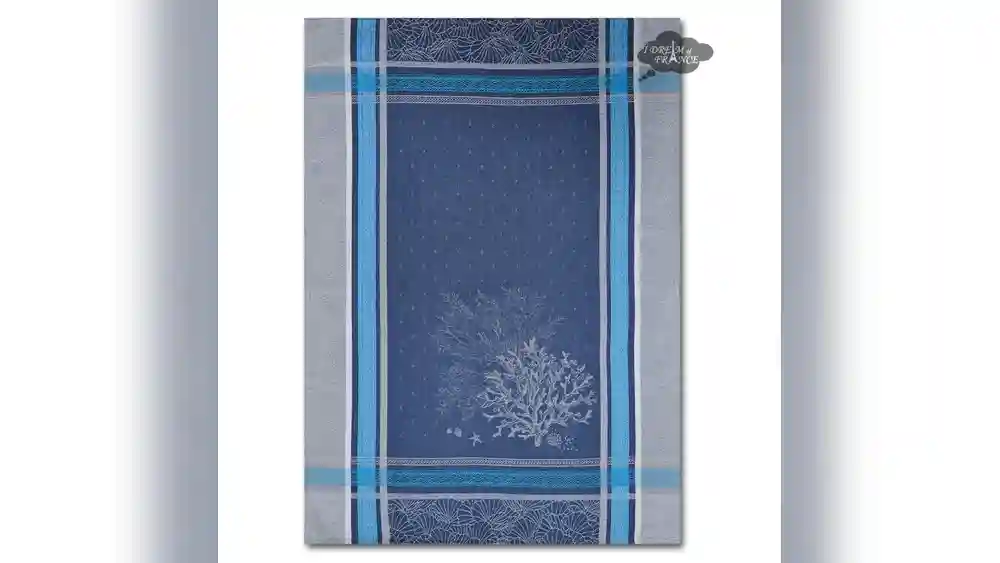
Cotton Tea Towels
Every kitchen has those small items that quietly make a big difference. One of these is the cotton tea towel. These simple cloths have been part of daily life for centuries, used in homes, cafes, and restaurants. They are not just for drying dishes; they carry stories, support sustainable habits, and often add a touch of style to any space.
If you open a kitchen drawer in almost any part of the world, you’ll likely find a few cotton tea towels, sometimes faded with time, sometimes bright and new. They are strong, useful, and often chosen for both their looks and their function.
People love them for their gentle touch on glassware, their ability to soak up water, and their easy care. But what makes a cotton tea towel so special? Why do some homes keep the same ones for years, while others collect fresh designs with every season?
This article will explore everything about cotton tea towels—their history, how they’re made, what makes them unique, and how you can get the most out of every piece. We’ll look at how to choose the right towel, how to care for it, and clever ways to use it beyond just drying dishes. Whether you’re a beginner in the kitchen or someone who appreciates the details in everyday living, you’ll find plenty of insights here.
What Is A Cotton Tea Towel?
A cotton tea towel is a rectangular or square piece of cloth, usually made from 100% cotton. Traditionally, they measure about 16 by 28 inches, but some are a bit bigger or smaller. Their main job is to dry dishes, hands, or kitchen surfaces. However, many people also use them for covering bread, handling hot pans, or even as decorative accents.
The cotton fibers used in tea towels are chosen for their absorbency and softness. Unlike synthetic materials, cotton pulls moisture away from surfaces quickly and gently. This makes it safer for delicate glassware and much more comfortable for wiping hands.
Tea towels are different from thicker, fluffy bath towels. They are flatter, lighter, and often dry much faster. The weave of the fabric may be tight or slightly loose, depending on the style. Some tea towels are plain, while others have bright prints, embroidery, or woven patterns.
The History Of Cotton Tea Towels
The story of tea towels begins long before modern kitchens. In the 18th century, tea towels appeared in England as fine linen cloths, mainly used by wealthy families. Their main purpose was to dry expensive china and delicate tea sets without scratching or leaving lint.
By the 19th century, as cotton became easier to produce, these towels shifted from linen to cotton. This made them more affordable and common in middle-class homes. Cotton tea towels became part of daily life, used not only for drying but also for wrapping bread, covering food, and even as gift wraps.
In many cultures, tea towels became tools for creativity. Families embroidered initials or patterns onto plain towels, turning everyday items into family treasures. Some towels marked special events, like weddings or holidays.
The tea towel’s popularity grew in the 20th century, especially as home kitchens became more central to family life. Today, they are found everywhere, loved for their practicality, low cost, and endless designs.
Why Choose Cotton For Tea Towels?
Cotton stands out among fabrics for several reasons. Here’s why it’s the top choice for tea towels:
- High Absorbency: Cotton fibers soak up water quickly, making them perfect for drying dishes and hands.
- Soft Texture: Cotton is gentle on delicate items like glass or porcelain, reducing the risk of scratches.
- Breathable and Quick-Drying: Cotton tea towels dry faster than many synthetic materials, which helps prevent bad smells or mildew.
- Durability: Good quality cotton towels can last for years, even with daily use and frequent washing.
- Natural and Safe: Cotton is a natural fiber, which means it’s less likely to cause irritation or allergy problems. It’s also biodegradable and safer for the environment.
- Versatile Styles: Cotton is easy to dye and print, so you’ll find tea towels in every color and pattern imaginable.
Cotton Vs. Other Materials
To understand why cotton is preferred, compare it to other common towel materials:
| Material | Absorbency | Durability | Typical Use | Feel |
|---|---|---|---|---|
| Cotton | Excellent | High | Drying, cleaning, covering food | Soft |
| Linen | Good | Very High | Polishing, drying glassware | Smooth, crisp |
| Microfiber | Very High | Medium | Cleaning surfaces, dusting | Very soft, sometimes clingy |
| Polyester Blend | Medium | Medium | Cheap multipurpose towels | Less soft |
Cotton towels balance absorbency, softness, and strength. While linen is also popular, it’s usually more expensive and sometimes feels stiffer. Microfiber is highly absorbent but can stick to hands and may not last as long.
How Cotton Tea Towels Are Made
Making a quality cotton tea towel involves several steps:
- Selecting the Cotton: The best towels use long-staple cotton, which has longer fibers. These fibers spin into stronger, softer yarns.
- Spinning and Weaving: Cotton is spun into yarn and then woven into fabric. Common weaves for tea towels include plain weave (tight and flat), twill (diagonal lines), and jacquard (patterned).
- Cutting and Hemming: Large rolls of fabric are cut into towel sizes. Edges are hemmed to stop fraying and add strength.
- Dyeing and Printing: Towels may be dyed in solid colors or printed with patterns. Some high-end towels use woven designs, where threads of different colors create the pattern.
- Finishing: Some towels are washed or pre-shrunk before packaging. Quality checks ensure there are no loose threads or defects.
The process may sound simple, but the quality of each step affects the final product. For example, cheap towels may use short-fiber cotton, which pills and wears out faster. Well-made towels hold their color and shape through many washes.

Types Of Cotton Tea Towels
Not all cotton tea towels are alike. Their weave, thickness, and design affect how they feel and perform.
Plain Weave Towels
These are the most common type. The threads cross over and under in a simple pattern, making the towel flat and smooth. Plain weave towels are perfect for drying dishes and glassware.
Terry Cotton Towels
Terry towels have small loops on the surface, like mini bath towels. They are thicker and can absorb more water. Many people use these for heavy-duty cleaning or soaking up spills.
Jacquard Towels
Jacquard tea towels feature woven patterns. The design is part of the fabric, not printed on top. These towels often look more decorative and make nice gifts.
Printed And Embroidered Towels
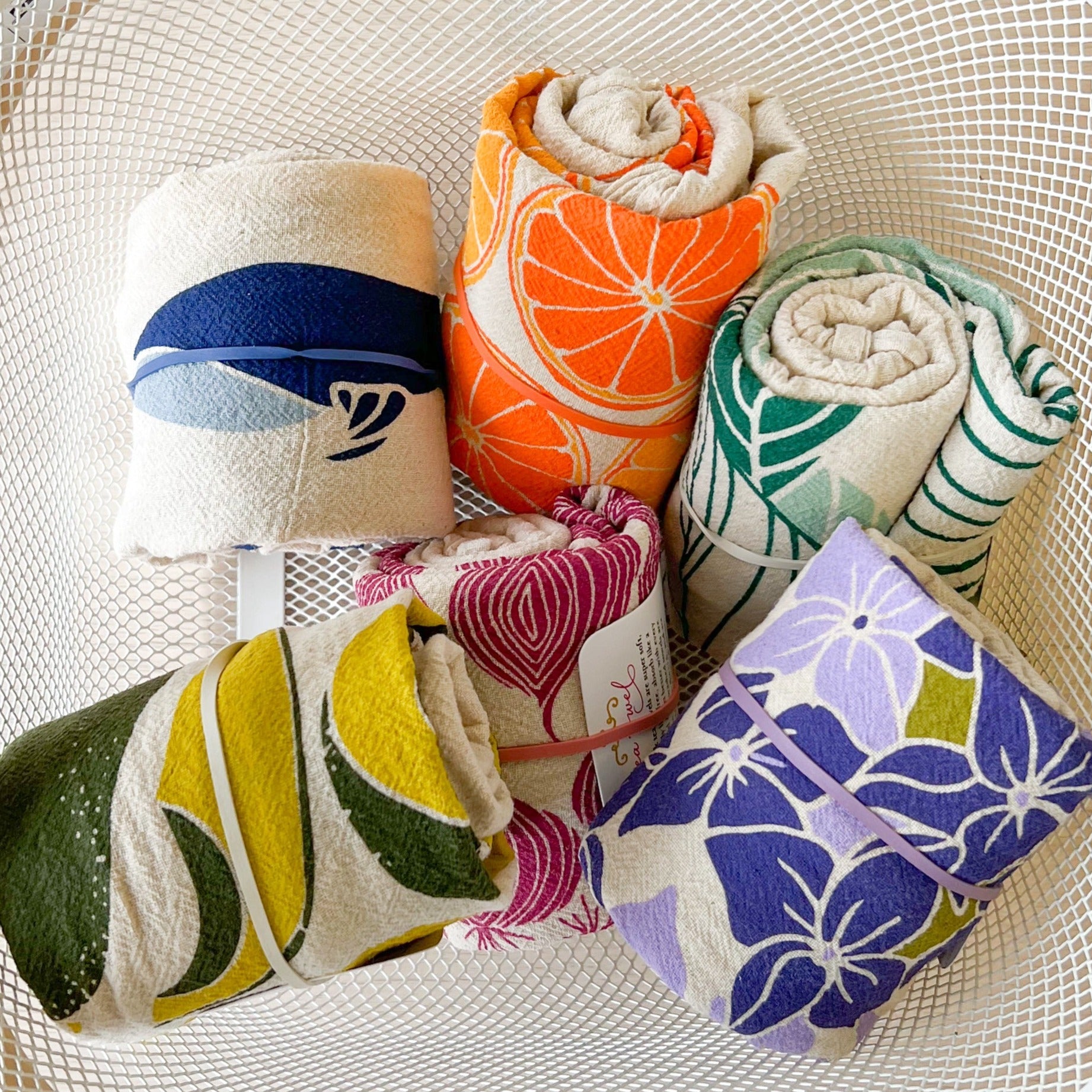
Some cotton tea towels are printed with colorful patterns, logos, or artwork. Others have embroidered designs, which add texture and a handmade touch. These towels can brighten up a kitchen or match a holiday theme.
Flour Sack Towels
Flour sack towels are made from thin, tightly woven cotton. They are lightweight, soft, and highly absorbent. Originally, people made these towels from flour or sugar sacks, but today’s versions are purpose-made. They are popular for baking, covering dough, or even cleaning windows.
Organic Cotton Towels
With more focus on sustainability, some towels use organic cotton, grown without harmful chemicals. These towels are better for the environment and sometimes softer to the touch.
Main Uses For Cotton Tea Towels
Cotton tea towels are known for their flexibility. Here are some ways people use them every day:
- Drying Dishes: Their absorbency makes them ideal for drying plates, glasses, and cutlery.
- Wiping Hands: Soft cotton is gentle on skin, making it perfect for quick hand-drying while cooking.
- Polishing Glassware: The smooth weave doesn’t leave lint, so tea towels are excellent for polishing wine glasses or mirrors.
- Covering Food: They help keep bread warm or cover dough while rising, letting air through while blocking dust.
- Handling Hot Items: Folded tea towels can be used as makeshift potholders or for gripping hot handles.
- Cleaning Spills: Their absorbency tackles everything from water to sauce.
- Decorative Accents: Many people hang colorful tea towels on oven handles or hooks to add a touch of style.
- Gift Wrapping: In some cultures, reusable towels are used to wrap gifts, combining practicality with beauty.
How To Choose The Best Cotton Tea Towels
Picking the right tea towel may seem simple, but a few key factors can help you avoid disappointment.
1. Fabric Quality
Look for towels made from 100% cotton. Check the label or product details. Higher quality cotton, like Egyptian or long-staple cotton, feels smoother and lasts longer.
2. Weave And Thickness
If you want a towel mainly for drying, choose a flat, plain weave. For heavy spills, a thicker terry towel works better. Flour sack towels are best for baking or covering food.
3. Size
Most tea towels are about 16 by 28 inches, but some are larger or smaller. Pick a size that fits your kitchen tasks and storage space.
4. Absorbency
A good towel should absorb water quickly without smearing it around. Test by dropping a little water on the surface—it should soak in fast.
5. Durability
Check for strong stitching on the edges (hems). Loose threads or weak seams can cause towels to fall apart quickly.
6. Color And Design
Choose colors that suit your kitchen. Dark colors hide stains but may fade, while light colors show dirt but look fresh and bright. Printed or embroidered towels can add a personal touch.
7. Eco-friendly Options
For those who care about sustainability, look for organic cotton towels or brands that use eco-friendly dyes.
8. Price And Value
Cheap towels often wear out or lose absorbency fast. It’s better to pay a bit more for a towel that will last and perform well.
9. Brand Reputation
Some brands are known for quality towels. Read reviews or ask friends for recommendations. Sometimes, small makers or local shops offer unique and well-made towels.
Common Mistakes To Avoid
- Buying towels without checking the fabric content (some blends are less absorbent).
- Picking towels only for their look, not their function.
- Washing towels with fabric softener, which can reduce absorbency.
- Not buying enough towels—having a few extras means you always have a clean one ready.
Caring For Cotton Tea Towels
Cotton tea towels last longer and work better with proper care. Here’s how to keep them in top shape:
Washing
- Wash new towels before first use. This removes factory finishes and improves absorbency.
- Use warm or hot water for regular washing. This helps kill germs and remove grease.
- Avoid fabric softeners. They leave a coating on fibers, reducing absorbency.
- Wash towels separately from clothes, especially items with zippers or hooks that can snag the fabric.
Drying
- Air drying is gentle and helps towels last longer. Hang towels flat or on a line.
- If using a dryer, use a medium setting. Over-drying can make towels stiff.
- Shake towels out before and after drying to keep them soft.
Stain Removal
- Treat stains as soon as possible. Use a little dish soap or baking soda paste directly on the stain.
- For tough stains (like tomato sauce or wine), soak towels in cold water before washing.
- Avoid bleach unless towels are pure white, as bleach can weaken fibers and fade colors.
Ironing And Storage
- Iron towels if you want a crisp look, especially for display or wrapping gifts.
- Store towels in a dry, clean drawer or hang them on a hook.
How Often To Replace
A well-made cotton tea towel should last one to three years, depending on use and care. Replace towels that become thin, develop holes, or lose absorbency.
Cotton Tea Towels And Sustainability
In a world full of disposable products, cotton tea towels offer a greener option. Here’s why they matter for the planet:
Reusable
Unlike paper towels, which are used once and thrown away, cotton towels can be washed and reused hundreds of times. This reduces waste and saves money.
Biodegradable
Cotton is a natural fiber that breaks down in the environment, unlike synthetic materials that can take decades to decompose.
Energy And Water Use
Growing cotton does use water and energy, but buying quality towels and using them for years spreads out that impact. Choosing organic cotton further reduces chemical use and pollution.
Zero-waste Kitchens
Many people trying to reduce waste start by swapping paper towels for cotton tea towels. One family can save thousands of paper towels each year with this simple change.
Practical Tips For Sustainable Use
- Rotate your towels so they wear evenly.
- Use older towels for cleaning or as rags before discarding.
- Compost pure cotton towels at the end of their life.
Popular Designs And Patterns
Tea towels are not just tools; they are also a way to show personality or celebrate seasons. Here are some common styles:
Classic Stripes Or Checks
Simple stripes or checkered patterns are timeless and suit almost any kitchen.
Vintage Prints
Some towels feature retro ads, florals, or patterns from past decades. They bring a nostalgic touch.
Holiday Themes
Many people collect towels for different holidays—pumpkins for autumn, snowflakes for winter, or bright colors for summer parties.
Local Or Regional Designs
Some towels show maps, local landmarks, or cultural symbols. They make great souvenirs or gifts.
Custom Embroidery
Personalized towels with initials, family names, or special messages are popular for weddings or housewarmings.
Art Towels
Some brands feature artwork by local artists, turning a simple towel into a mini canvas.
Cotton Tea Towels Around The World
Tea towels have a place in many cultures. Here are some examples:
United Kingdom
Tea towels are a staple in British homes. They are used for drying, polishing, and even as “wrappers” for hot teapots. In some families, tea towels are passed down as heirlooms.
France
French kitchens often feature torchons, which are similar to tea towels but sometimes a bit thicker. They are used for drying, covering bread, and as mini tablecloths.
Japan
The tenugui is a thin cotton towel used for everything from wiping hands to wrapping gifts. Designs are often simple and elegant.
North America
Tea towels are sometimes called dish towels in the US and Canada. They are used for all the same tasks and are common gifts or souvenirs.
Australia And New Zealand
Brightly printed tea towels are popular souvenirs, often featuring local animals, plants, or slang.
Creative And Unusual Uses
Cotton tea towels do much more than dry dishes. Here are a few creative ideas:
Baking Assistant
Use a damp towel to cover rising bread or dough. The cotton keeps moisture in but lets air circulate, helping dough rise evenly.
Eco-friendly Gift Wrap
Wrap a small present in a bright tea towel for a reusable, zero-waste gift.
Hot Pad Or Trivet
Fold a towel a few times to protect your table from hot dishes.
Picnic Helper
Line a basket with a towel to keep bread or fruit clean and dry during outdoor meals.
Wall Art
Frame a vintage or art towel for an affordable, unique decoration.
Cleaning Windows
Flour sack towels are lint-free and perfect for streak-free window cleaning.
Food Storage
Wrap herbs or leafy greens in a damp towel to keep them fresh in the fridge.
Baby Care
Soft cotton towels are gentle enough for cleaning up after babies or as emergency bibs.
Travel
Pack a towel as a light scarf, napkin, or emergency cloth when traveling.
These ideas show why so many people keep extra tea towels on hand.
Comparing Cotton Tea Towels To Paper Towels
Switching from paper towels to cotton tea towels can save money and reduce waste. Here’s a look at how they compare:
| Feature | Cotton Tea Towels | Paper Towels |
|---|---|---|
| Reusability | Washed and reused hundreds of times | Single use, then discarded |
| Absorbency | High, especially when new | Varies, often less for big spills |
| Cost Over Time | Cheaper in the long run | Ongoing cost |
| Environmental Impact | Lower, especially with organic cotton | Higher waste, more resources used |
| Versatility | Multiple uses beyond cleaning | Mostly for cleaning, then thrown away |
Most people find that keeping a stack of cotton towels nearby reduces their need for paper towels. Some even stop buying paper towels altogether.
How To Store And Organize Tea Towels
A tidy kitchen is easier to work in. Here are some ways to keep your tea towels organized:
Drawer Storage
Fold towels neatly and store them in a kitchen drawer. Keep frequently used towels on top.
Hanging
Use hooks, bars, or rings to hang towels. This helps them dry quickly and keeps them within reach.
Basket Or Bin
Place a small basket or bin on a shelf for clean towels. Another bin can hold dirty towels ready for washing.
Rotation System
Use a “first in, first out” system. Place freshly washed towels at the bottom, so all towels wear evenly.
Special Storage For Display Towels
If you have decorative towels for special occasions, store them in a separate spot to keep them clean and crisp.
Washing Tea Towels: Common Questions And Solutions
Why Do Towels Sometimes Smell Bad?
Bad smells are usually caused by leftover moisture or bacteria. Make sure towels dry fully between uses and wash them regularly in hot water.
How To Remove Tough Stains?
Act quickly. Rinse with cold water, then apply a little dish soap or stain remover. Wash as usual. For old stains, try soaking overnight in a mix of water and baking soda.
Can I Use Bleach?
Bleach is safe for plain white towels but can weaken fibers and fade colors. Use only when necessary.
How Often Should Towels Be Washed?
Wash towels after one or two days of use, especially if they get very wet or dirty.
What If Towels Lose Absorbency?
This often happens when residue builds up from softeners or detergent. Wash towels in hot water with a little vinegar (no detergent) to restore absorbency.
Cotton Tea Towels For Businesses
Restaurants, bakeries, and cafes rely on cotton tea towels for many tasks:
- Drying dishes, glasses, and cookware
- Polishing silverware
- Handling hot trays or pans
- Cleaning tables and counters
Businesses usually buy towels in bulk and choose strong, plain designs. Some add logos or branding for a professional look.
What To Look For In Commercial Towels
- Extra-strong stitching for durability
- Simple designs that look clean even after many washes
- Fast-drying fabric to reduce laundry loads
- Easy-to-clean surfaces
Many businesses color-code towels for different jobs (for example, blue for hands, white for dishes).
Personal Stories: The Tea Towel Tradition
Many families have stories connected to tea towels. Grandparents might remember embroidering towels for their wedding chest or giving special towels as gifts. Some people inherit a stack of towels with faded patterns, each one linked to memories of family meals or holidays.
Tea towels are a reminder that small, everyday objects can carry meaning. They tie together generations and cultures, quietly supporting daily routines.
Buying Cotton Tea Towels: Where And How
Cotton tea towels are easy to find, both in stores and online. Here are some buying tips:
In-store Shopping
Department stores, kitchen shops, and even supermarkets sell tea towels. You can feel the fabric and check the stitching in person.
Online Shopping
Websites like Amazon, Etsy, and specialty kitchen stores offer a wide selection. Read reviews to check quality. Be sure to look at the fabric content and size.
Local Makers And Artisans
Farmers’ markets and craft fairs often feature handmade towels. These may cost more but are unique and often higher quality.
What To Avoid
- Towels with unclear fabric content
- Very cheap towels that feel thin or rough
- Towels with weak hems or loose threads
Price Range
- Basic plain cotton towels: $2–$5 each
- Printed or embroidered towels: $6–$15 each
- Organic or designer towels: $10–$25 each
Bulk packs may offer a better price per towel.
How To Personalize Tea Towels
Personalizing tea towels is a fun way to make gifts or add flair to your kitchen. Here are some popular methods:
Embroidery
Add initials, names, or simple designs using embroidery floss. Even beginners can try simple stitches.
Fabric Paints
Use fabric paints or markers to create custom patterns. Stencils can help with neat shapes.
Iron-on Transfers
Print a design on special transfer paper, then iron it onto a plain towel. This is popular for photos or text.
Appliqué
Sew small pieces of fabric onto a towel to create shapes, such as fruit, animals, or letters.
Personalized towels are great for weddings, birthdays, or housewarming gifts.
The Future Of Cotton Tea Towels
As more people focus on sustainability and thoughtful living, the future looks bright for cotton tea towels. New technologies are creating towels that are softer, stronger, and more eco-friendly. Some brands now use recycled cotton or plant-based dyes.
Designers continue to experiment with colors, patterns, and collaborations with artists. The humble tea towel has become both a practical tool and a small work of art.
At the same time, more families are rediscovering old traditions, like hand-stitching towels or using them for special events. The tea towel is both classic and modern, always finding new ways to fit into daily life.
Frequently Asked Questions
What Makes Cotton Tea Towels Different From Regular Towels?
Cotton tea towels are usually flatter, lighter, and made with a tighter weave than bath towels. This design makes them ideal for drying dishes and glassware without leaving lint. They are also more versatile and often used for food covering, cleaning, and decoration.
Can I Use Cotton Tea Towels For Cleaning Other Parts Of The House?
Yes, cotton tea towels are useful for many cleaning tasks beyond the kitchen. They work well for dusting, wiping windows, or cleaning bathroom mirrors. Just keep separate towels for kitchen and non-kitchen use to avoid spreading germs.
How Can I Tell If A Tea Towel Is High Quality?
Check the label for 100% cotton and look for strong, even stitching on the hems. The towel should feel soft but sturdy. If possible, hold it up to the light—a quality towel will not be too thin or see-through.
Are Organic Cotton Tea Towels Worth The Extra Cost?
Organic cotton towels are made without harmful chemicals, which is better for the environment and can be gentler on sensitive skin. If you want a lower-impact option and are willing to pay a bit more, organic is a good choice.
Where Can I Learn More About The History Of Tea Towels?
For a deeper look at the history and cultural significance of tea towels, visit the Wikipedia page on tea towels. It covers their development across different countries and their place in home life.
Cotton tea towels are much more than simple kitchen cloths. They are a blend of tradition, creativity, and practical living—woven into daily routines and cherished for their quiet usefulness. Choosing and caring for good tea towels is a small act that brings comfort, saves money, and supports a more thoughtful way of life.