
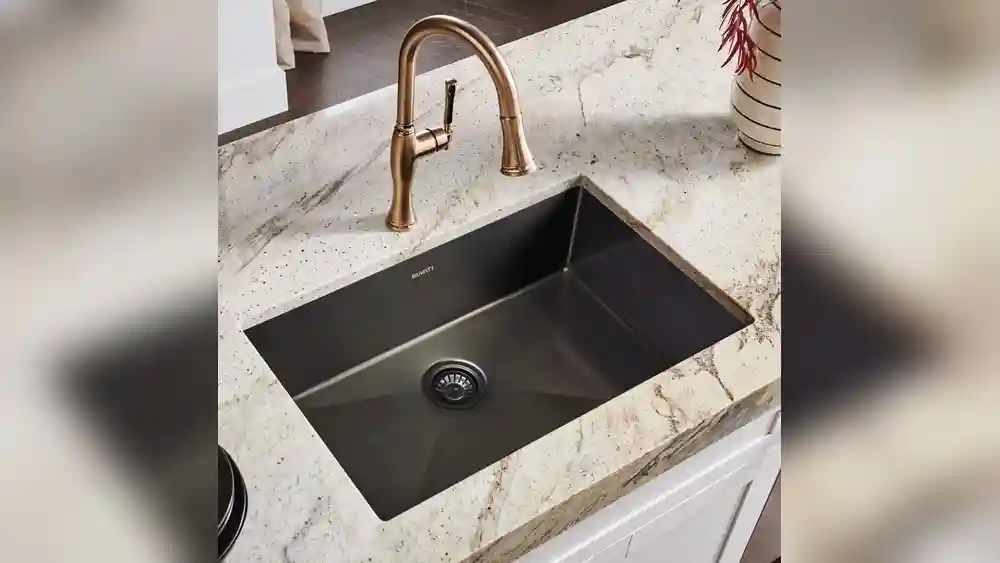
A modern kitchen is more than just a place for cooking. It’s where families gather, friends chat, and daily routines unfold. In recent years, one feature has stood out as both stylish and practical—the black kitchen sink. These sinks are appearing in homes everywhere, from high-end designer spaces to cozy apartments. But why has this type of sink become so popular? And what should you know before choosing one for your own kitchen?
The answer goes far beyond looks. A black kitchen sink brings bold contrast, complements many countertop styles, and often resists stains better than classic white or stainless options. But choosing the right one requires some know-how. Factors like material, installation method, maintenance, and even water quality play a role.
If you’re considering a black kitchen sink, this guide will help you understand everything you need to make an informed decision—without confusion or regret.
What Makes A Black Kitchen Sink Unique
The first thing people notice about a black kitchen sink is its striking appearance. Unlike white porcelain or shiny stainless steel, black sinks create a strong visual statement. They can anchor a room’s design or serve as a subtle, elegant background for colorful countertops and backsplashes.
But a black kitchen sink isn’t just about style. Many are made from advanced materials that offer unique benefits. Composite granite, quartz, and fireclay are common choices. These materials are known for being tough, scratch-resistant, and less likely to show water spots or fingerprints.
Some even include antimicrobial properties, helping your kitchen stay hygienic with less effort.
A common misconception is that black sinks are harder to clean. In reality, many owners find the opposite. Dark colors hide stains from coffee, wine, and sauces, while some finishes repel limescale and soap scum. Of course, not all black sinks are equal.
The material and finish can make a big difference in how your sink looks and performs over time.
Types Of Black Kitchen Sinks
When shopping for a black kitchen sink, you’ll encounter several main types. Each has its own strengths and weaknesses. Let’s explore the most popular options.
Composite Granite Sinks
Composite granite is one of the most common materials for black sinks. This material combines natural stone (usually granite or quartz) with acrylic resins to create a hard, dense surface. The result is a sink that feels solid, resists chips and scratches, and keeps its color for years.
Benefits:
- Excellent resistance to stains and scratches
- Natural stone look and feel
- Often includes antibacterial properties
Drawbacks:
- Heavier than stainless steel or porcelain
- Needs proper support during installation
- Can chip if hit with a heavy pot
Composite granite sinks come in a range of shades, but black is especially popular. They look sleek, don’t fade easily, and suit both modern and traditional kitchens.
Quartz Composite Sinks
Quartz composite is similar to granite composite but uses quartz as the main stone. These sinks are known for their silky finish and excellent durability.
Advantages:
- Smooth, easy-to-clean surface
- Less likely to chip than pure stone
- Good heat resistance
Disadvantages:
- Price can be higher than other materials
- Some lighter shades may show marks
Quartz composite sinks often feel warmer to the touch than metal sinks and help keep dishwater hot for longer.
Fireclay Sinks
Fireclay sinks are made by molding ceramic clay, glazing it, and firing at very high temperatures. While classic fireclay is white, black versions are now available.
Pros:
- Glossy, elegant finish
- Resistant to high temperatures
- Non-porous and hygienic
Cons:
- Can crack if hit hard
- Heavier and more expensive than other sinks
These sinks are popular in farmhouse and traditional kitchens, but black fireclay brings a modern twist to this classic material.
Stainless Steel Sinks With Black Finish
Some manufacturers use stainless steel as a base and add a black finish using a process like PVD (Physical Vapor Deposition) or powder coating.
Strengths:
- Lightweight and easy to install
- Resistant to rust and corrosion
- Modern, industrial look
Weaknesses:
- Finish can scratch or wear over time
- May show water spots more than stone composites
This type is ideal for those who want the benefits of stainless steel but prefer a dark, dramatic look.
Cast Iron Sinks With Black Enamel
Cast iron sinks have a thick enamel coating, which can be black or other colors. They are heavy and feel very solid.
Positives:
- Classic, vintage look
- Good at absorbing noise from dishes
- Long-lasting when cared for
Negatives:
- Enamel can chip with impact
- Very heavy—requires strong support
While less common than other types, black enamel cast iron sinks add luxury and charm.
Key Benefits Of A Black Kitchen Sink
Choosing a black kitchen sink is not just about following trends. There are several clear advantages that make this option appealing to many homeowners.
- Visual Impact: Black sinks create a strong contrast with white, light, or patterned countertops. They can either be the focal point of your kitchen or blend into dark counters for a seamless look.
- Stain Resistance: Many black sinks are less likely to show stains from coffee, tea, red wine, or sauces. This is especially true for composite and quartz models.
- Versatility: Black pairs well with nearly every color scheme—from bright, colorful kitchens to minimalist, all-white designs.
- Low Maintenance: Sinks made from composite materials or with special coatings often require less scrubbing to look clean.
- Modern Aesthetics: Black sinks instantly make a kitchen look more up-to-date. They are a favorite among interior designers for creating a sophisticated, high-end feel.
- Durability: High-quality materials like composite granite or quartz are tough and long-lasting. They resist chips, scratches, and dents better than many metal sinks.
Some of these benefits are easy to see. Others, like improved hygiene or heat resistance, become clear only after using the sink daily.
Important Factors To Consider Before Buying
A black kitchen sink can look fantastic, but it’s important to choose the right model for your needs. Here are some key points to think about before making your decision.
Material
Material is the single most important factor. Different materials have unique strengths and weaknesses, as discussed earlier. Think about your daily habits. Do you often wash heavy pots? Choose a material that won’t chip easily. Do you want something low-maintenance?
Look for non-porous surfaces.
Size And Configuration
Kitchen sinks come in various sizes and shapes. The most common options include:
- Single bowl: One large basin, easy for washing big pots.
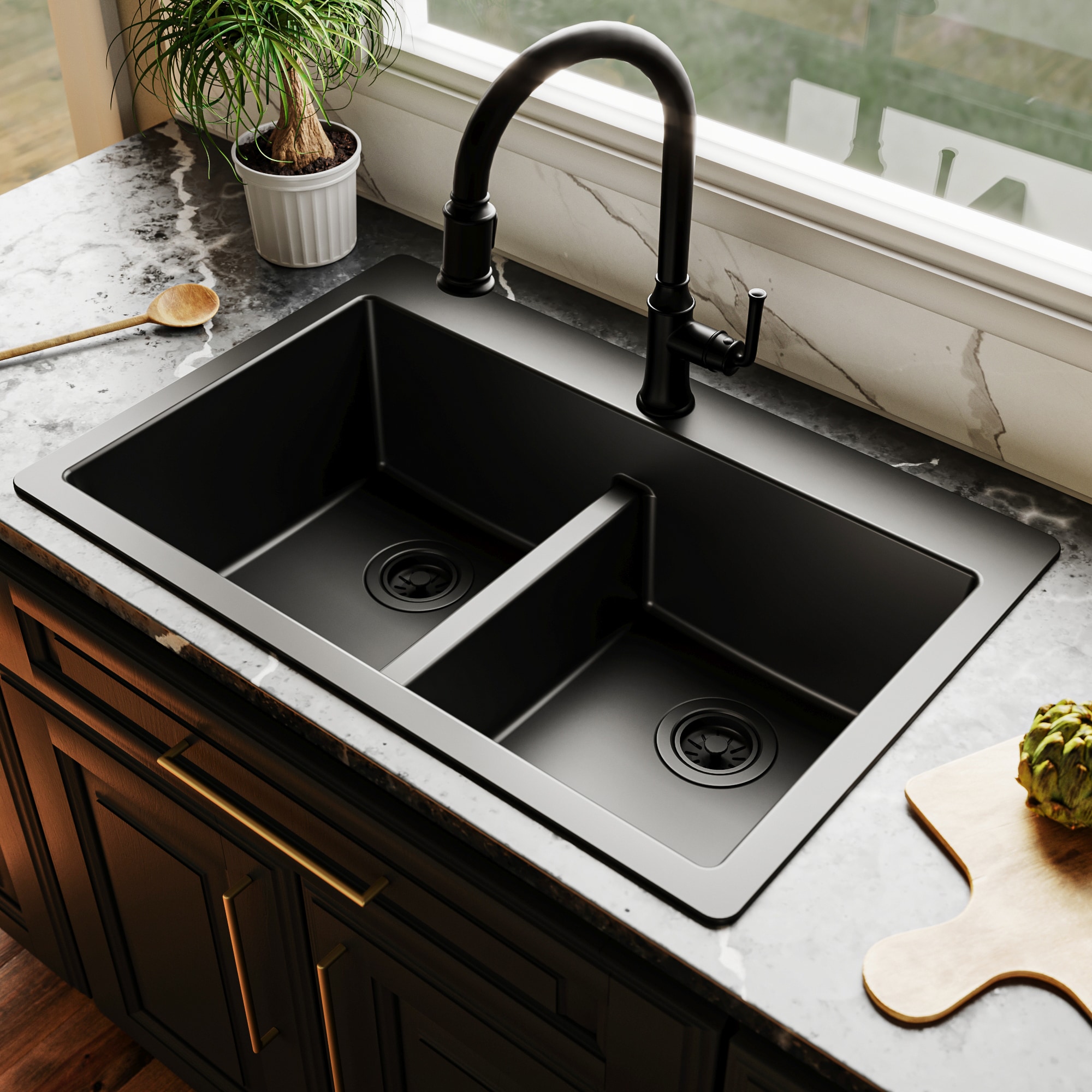
- Double bowl: Two sections, useful for multitasking.
- Farmhouse (apron front): Front panel is visible, adds character.
Measure your cabinet and counter space before choosing. Remember, composite and cast iron sinks are heavier and may need extra support.
Mounting Style
How your sink is installed affects both looks and cleaning.
- Top-mount: Sits on the countertop edge. Easier to install but can collect grime around the rim.
- Undermount: Attached below the counter. Sleeker look, easier to clean counters.
- Flush-mount: Sits level with countertop, but needs skilled installation.
Undermount styles are the most popular for black sinks because they show off the color best.
Faucet Compatibility
Not all sinks have the same number or size of faucet holes. Some come with pre-drilled holes; others require separate drilling. Make sure your faucet and accessories (like soap dispensers) will fit your chosen sink.
Water Quality
If you have hard water, some black sinks can show mineral deposits as white spots. A water softener helps, but it’s wise to ask about this before buying. Some finishes are more resistant to water marks than others.
Cost And Warranty
Black kitchen sinks can cost more than standard options, especially in luxury materials like fireclay or composite granite. Check the warranty and customer reviews before buying. A good warranty gives peace of mind if something goes wrong.
Maintenance
While black sinks often hide stains, some finishes can show soap scum or calcium buildup. Ask the seller about cleaning tips and what products are safe to use.

Comparing Black Kitchen Sink Materials
To help you decide which material might be best for your needs, here’s a side-by-side comparison of the most popular options.
| Material | Durability | Stain Resistance | Heat Resistance | Maintenance | Cost |
|---|---|---|---|---|---|
| Composite Granite | High | Excellent | Very Good | Low | Medium-High |
| Quartz Composite | Very High | Excellent | Excellent | Low | High |
| Fireclay | Good | Very Good | High | Medium | High |
| Stainless Steel (Black Finish) | Medium | Good | Very High | Medium | Medium |
| Cast Iron (Black Enamel) | Good | Very Good | High | Medium | High |
This table highlights how each material performs in key areas. For families or busy kitchens, durability and stain resistance are often top priorities.
Design Ideas And Color Pairings
A black kitchen sink gives you many design possibilities. Here are some popular ways to style your kitchen with this bold feature.
White Or Light Counters
Pairing a black sink with white or light countertops creates high contrast. This look is fresh, modern, and makes the sink stand out as a focal point. It works well in both traditional and contemporary kitchens.
Dark Or Black Counters
For a more subtle effect, match your black sink with black or dark countertops. This creates a seamless look where the sink almost disappears. It’s sophisticated and especially popular in minimalist designs.
Wood Accents
Natural wood counters or cabinets add warmth to the cool, modern look of a black sink. This combination suits rustic, industrial, or Scandinavian kitchens. The wood softens the dark sink, making the space feel inviting.
Metallic Fixtures
Pairing a black sink with gold, brass, or matte black faucets creates a luxury feel. These metallic finishes stand out against the dark sink and add a designer touch.
Colorful Backsplashes
A black sink is a neutral backdrop for colorful tile or glass backsplashes. This is a great way to add personality to your kitchen without making it feel too busy.
Installation: What To Expect
Installing a black kitchen sink is much like installing any other sink, but there are a few special considerations.
Weight Matters
Many black sinks, especially those made of stone or cast iron, are much heavier than stainless steel. Make sure your counter and cabinet can support the extra weight. For undermount sinks, the installer may add extra brackets or supports.
Professional Vs. Diy
Top-mount black sinks are often suitable for DIY installation if you have basic plumbing skills. Undermount or farmhouse styles usually require professional installation for a watertight, seamless finish.
Cutout Size
If you’re replacing an old sink, measure the cutout in your countertop carefully. Some black sinks have larger rims or need deeper cabinets.
Drain And Faucet Placement
Before buying, check the position of the drain (center, rear, or corner) and make sure it matches your plumbing. Also, confirm the number and spacing of faucet holes.
Sealing
Some composite or stone sinks need to be sealed before use. This helps protect the surface and keeps colors rich.
Daily Care And Maintenance
One reason black kitchen sinks are popular is their reputation for easy cleaning. Still, a few habits will keep your sink looking its best for years.
Basic Cleaning
- Wipe the sink with a soft cloth and warm, soapy water daily.
- Rinse well to avoid soap residue, which can dull the finish.
- Dry with a towel to prevent water spots, especially in hard water areas.
Removing Stubborn Marks
If you see mineral spots or dried food, use a gentle scrub pad (never steel wool) and a non-abrasive cleaner. For tough stains, a paste of baking soda and water can help. Always rinse thoroughly afterward.
Avoiding Damage
- Don’t use harsh chemicals like bleach or ammonia.
- Never put a hot pan directly into the sink unless the material is rated for high heat.
- For composite or enamel sinks, avoid dropping heavy pots or pans.
Special Tips
- In hard water areas, wipe the sink dry after each use to prevent white spots.
- Use a sink grid or mat to protect the bottom from heavy impacts.
Restoring Shine
If your sink looks dull, a small amount of mineral oil on a soft cloth can restore some shine, especially on composite sinks. Avoid oils on enamel surfaces.

Common Mistakes When Choosing A Black Kitchen Sink
Many buyers focus only on looks and overlook practical details. Here are some mistakes to avoid:
- Ignoring Water Quality: Hard water can leave white spots on some black sinks. Ask about the best finish for your area.
- Choosing the Wrong Size: Measure carefully. Too small, and washing large pans is a struggle. Too big, and it may not fit your cabinet.
- Forgetting About Weight: Heavy sinks need strong cabinets and counters. Don’t skip reinforcements.
- Not Matching Accessories: Not all faucets and drains fit all sinks. Check hole size and placement before purchase.
- Overlooking Maintenance Needs: Some black finishes show streaks or soap scum more than others. Know what cleaning is required.
- Buying for Trend, Not Need: A black kitchen sink is stylish, but make sure it suits your habits and kitchen style.
Who Should Choose A Black Kitchen Sink?
Not every kitchen is right for a black sink. Here’s when it’s a smart choice:
- You want a bold, modern look.
- You have light or wood cabinets and want strong contrast.
- You need a sink that hides stains and looks clean.
- You enjoy easy maintenance and durability.
- You’re updating an older kitchen and want a quick, dramatic change.
However, if your kitchen is very small or lacks natural light, a black sink can make the space feel darker. In this case, consider a smaller model or combine with plenty of white or reflective surfaces.
The Environmental Impact Of Black Kitchen Sinks
Homeowners increasingly think about the environment when choosing kitchen products. How eco-friendly are black sinks?
Materials
- Composite granite and quartz often use recycled stone particles and resins. Some brands are more sustainable than others.
- Stainless steel (even with a black finish) is highly recyclable.
- Fireclay is made from natural clay but requires high-energy firing.
- Cast iron can be recycled, but the enamel finish is less eco-friendly.
Manufacturing
Some black finishes use eco-friendly processes, while others may use chemicals or high energy. Look for brands that mention green practices or certifications.
Lifespan
A black kitchen sink made from quality materials can last decades, reducing the need for replacements. This is better for the planet than buying a cheap sink every few years.
How Black Sinks Compare To Other Colors
Is a black kitchen sink really better than white, stainless steel, or other colors? Here’s a quick comparison.
| Color | Stain Resistance | Cleaning Effort | Design Flexibility | Durability |
|---|---|---|---|---|
| Black | Excellent | Low-Medium | High | Very High |
| White | Medium | Medium-High | High | Medium |
| Stainless Steel | Good | Low | Very High | High |
| Other Colors (Gray, Beige, etc.) | Good | Medium | Medium | Medium-High |
Black sinks excel at hiding stains and providing a bold accent. However, they may require more frequent drying in hard water areas to avoid spots.
Real-world Examples: How Homeowners Use Black Kitchen Sinks
Hearing from people who have installed black sinks can offer valuable insight. Here are a few real-world scenarios.
Busy Families
A family with three children and a busy kitchen chose a black composite granite sink. They love that tomato sauce and juice spills don’t stain. The sink looks clean even after a hectic breakfast, and cleaning takes just a few minutes.
Home Chefs
A couple who loves to cook installed a black fireclay farmhouse sink. They appreciate the deep basin for washing large pans, and the glossy finish adds elegance to their kitchen. Dropping a heavy pot did chip one corner, but the manufacturer sent a repair kit.
City Apartments
An apartment owner with limited counter space wanted something modern and practical. A small, undermount black stainless steel sink fit perfectly. It’s easy to install, and the black finish matches the matte black faucet and handles for a cohesive look.
Renovations And Upgrades
A homeowner updating a 1990s kitchen swapped a white porcelain sink for a black quartz model. The result was dramatic—the kitchen felt instantly modern without a major remodel.
How To Keep Your Black Sink Looking New
Even the best sink can show wear if not cared for properly. Here are some extra tips for long-lasting beauty.
- Use a sink mat or grid to prevent scratches and cracks.
- Rinse acidic foods (like lemon or tomato) off the surface promptly.
- Never stack metal pans in the sink for long periods.
- Clean up hard water spots with vinegar and water, but always rinse well.
- Test cleaners on a small area before full use.
Some homeowners also use a food-safe mineral oil once a month to keep composite granite or quartz looking rich and deep.
Trends In Black Kitchen Sinks
Black kitchen sinks are more than a passing trend. Designers predict they will remain popular for years due to their versatility and bold style. Some current trends include:
- Matte finishes: Less reflective, more modern look.
- Integrated drainboards: Black sinks with built-in drainboards for added function.
- Color-matched faucets: Faucets in the same shade of black or with complementary metals.
- Geometric shapes: Square or rectangular sinks for ultra-modern spaces.
- Extra-deep basins: For washing large pots or filling buckets.
As technology improves, expect even more finishes and features—like antimicrobial coatings or noise-reducing layers.
Where To Buy And What To Look For In A Seller
When you’re ready to buy, look for these qualities in a retailer:
- Wide selection of brands and materials
- Clear information about installation and maintenance
- Good return policy and warranty support
- Customer reviews and real-life photos
- Expert advice, either in-store or online
Some trusted places to shop include kitchen showrooms, home improvement stores, and online retailers specializing in sinks and faucets. For more details, you can check out resources like Houzz for design inspiration.
Frequently Asked Questions
What Is The Best Material For A Black Kitchen Sink?
The best material depends on your needs. Composite granite and quartz are top choices for durability and stain resistance. Black stainless steel is lighter and modern but may show scratches. Fireclay and cast iron have a classic look but require careful handling.
Do Black Sinks Scratch Or Fade Easily?
High-quality black sinks are designed not to fade. However, they can scratch if abrasive cleaners or steel wool are used. Always choose gentle cleaning methods, and check if your sink comes with a scratch-resistant finish.
Are Black Kitchen Sinks Hard To Keep Clean?
Most black sinks are easy to keep clean. They hide most stains and food marks. In hard water areas, you may see white spots, but these are easy to wipe away with a soft cloth and mild cleaner.
Can I Install A Black Kitchen Sink Myself?
DIY installation is possible for top-mount sinks if you have basic plumbing skills. Undermount or farmhouse styles usually need a professional for best results, especially with heavy materials like granite or cast iron.
Will A Black Kitchen Sink Go Out Of Style Soon?
Black kitchen sinks have moved from trend to classic in recent years. They fit many kitchen styles and are unlikely to feel dated. Pairing them with timeless materials and accessories ensures a look that lasts.
A black kitchen sink can transform your kitchen from ordinary to outstanding. With the right material, style, and care, this bold choice offers years of beauty and function. Whether you’re building a new home or updating an old space, consider what a black sink can do for your kitchen—and enjoy the confidence of a choice that’s both stylish and smart.