Electric Convection Oven
Electric convection ovens have transformed food preparation in both residential and commercial settings. These ovens utilize electric heating elements and an integrated fan to circulate hot air around the food. This process results in faster and more uniform cooking compared to conventional ovens.
For both home cooks seeking optimal baking outcomes and restaurant owners aiming for consistent results, understanding electric convection ovens is essential.
This article provides a comprehensive overview of the operation of electric convection ovens, their advantages, practical usage tips, and key considerations for purchasing. It also addresses maintenance practices, common errors, and real-world user experiences.
This guide draws upon factual information, personal experience, and reputable industry sources.
What Is An Electric Convection Oven?
An electric convection oven is a kitchen appliance that uses electricity to heat food and a fan to circulate the hot air inside the oven chamber. This movement of air ensures that the heat is spread evenly around the food.
Traditional ovens, also called conventional ovens, do not have a fan and rely only on radiant heat from the top and bottom heating elements.
The key parts of an electric convection oven include:
- Electric heating elements (usually at the bottom and sometimes at the top)
- A fan at the back or side of the oven chamber
- An exhaust system to remove extra moisture and keep the air moving
- Digital or analog controls for temperature and time
How Convection Technology Works
The primary distinction between a convection oven and a standard oven is the fan. When activated, the heating elements warm up and the fan circulates hot air around the food, accelerating heat transfer.
This results in more even and often faster cooking.
In a traditional oven, areas near the heating element may become significantly hotter, leading to uneven baking or roasting. In a convection oven, air circulation distributes heat more evenly, maintaining a consistent temperature throughout.
Types Of Electric Convection Ovens
There are several types of electric convection ovens on the market. Choosing the right one depends on your needs, kitchen space, and budget.
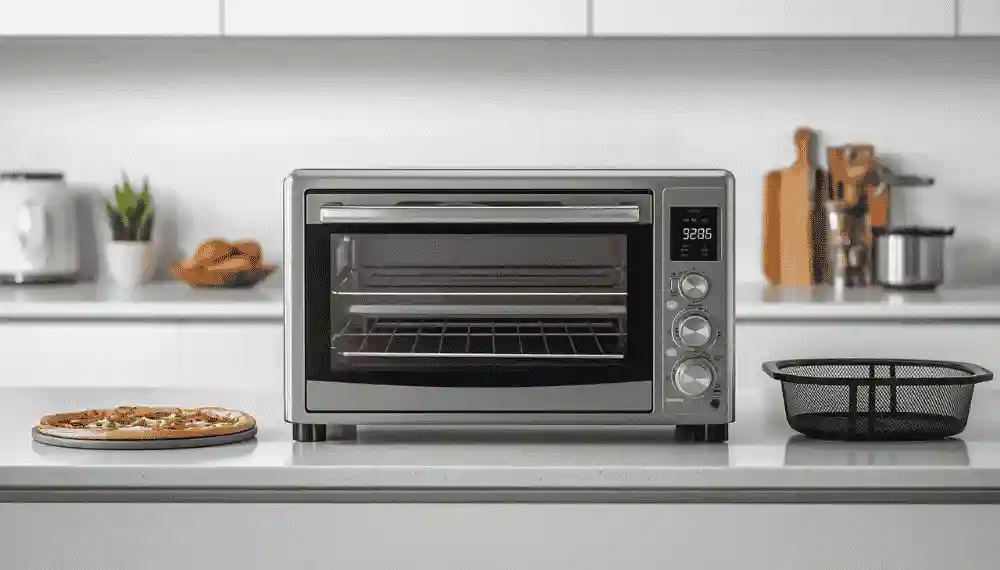
1. Countertop Convection Ovens
These are small, portable ovens that sit on a kitchen counter. They are ideal for small kitchens, apartments, or people who do not need a full-size oven. They can bake, roast, and sometimes even air fry.
2. Built-in Wall Convection Ovens
These are installed into kitchen cabinets and often used in modern homes and restaurants. Built-in ovens can be single or double units and have more features than countertop models.
3. Freestanding Electric Ranges With Convection
Many electric ranges now come with convection ovens built in. These are the standard full-size ovens that include stovetops.
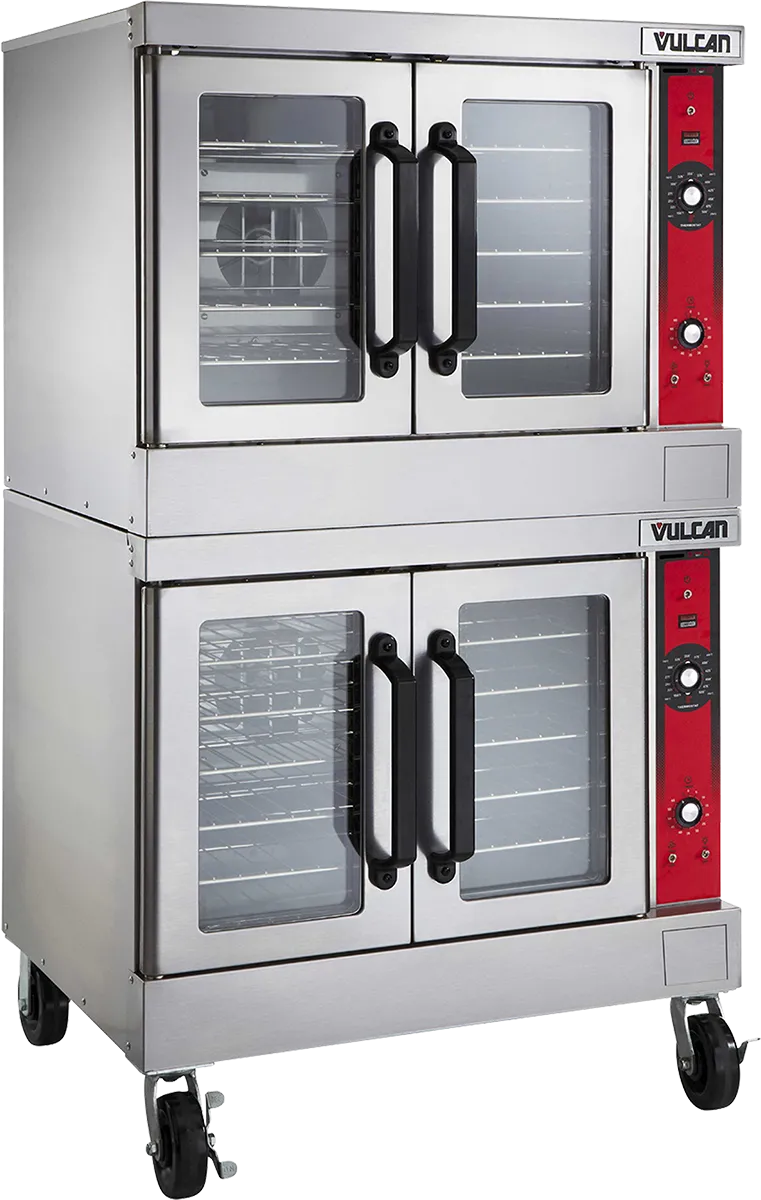
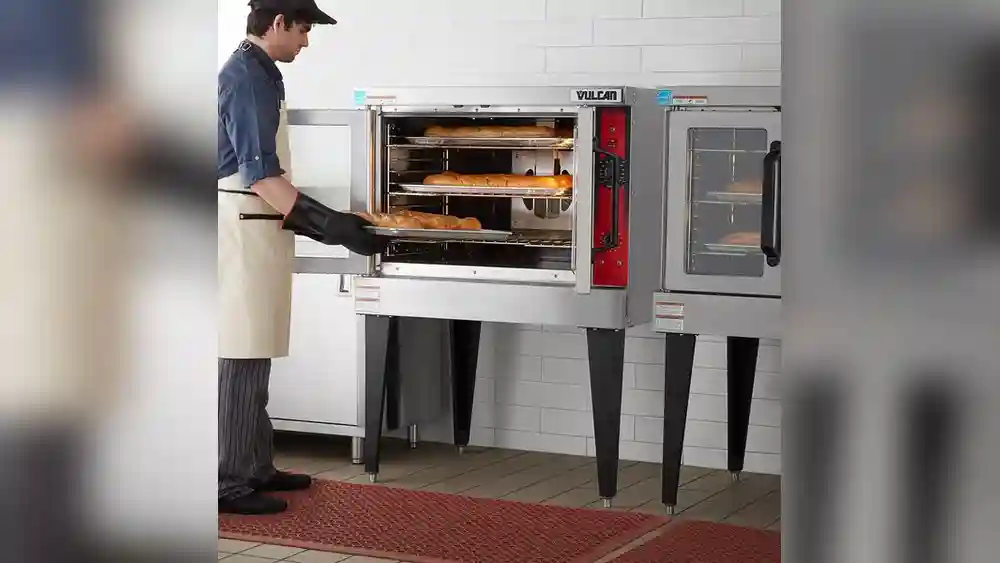
4. Commercial Convection Ovens
These are larger and designed for heavy use in restaurants, bakeries, or catering services. They offer more power, larger capacity, and advanced controls.
5. Combination Ovens (combi Ovens)
Some convection ovens also offer steam cooking or microwave features. These combination ovens are popular in professional kitchens for their versatility.
Below is a quick comparison of common types:
| Type | Size | Best for | Main Features |
|---|---|---|---|
| Countertop | Small | Small kitchens, singles, couples | Portable, easy to use, lower cost |
| Built-in Wall | Medium to large | Families, home chefs | Modern design, more features |
| Freestanding Range | Large | Family kitchens | Oven + cooktop, common in homes |
| Commercial | Very large | Restaurants, bakeries | High capacity, durable, advanced controls |
Why Choose An Electric Convection Oven?
Electric convection ovens offer several benefits over conventional ovens. Understanding these advantages can help you decide if a convection oven is right for your kitchen.
Faster Cooking Time
Since the fan moves hot air around the food, it cooks up to 25% faster than a regular oven. This is helpful for busy families or businesses that need to serve food quickly.
More Even Cooking
The air movement prevents hot spots and cold areas inside the oven. This means cookies brown evenly, roasts are cooked through, and casseroles are baked perfectly.
Better Browning And Crisping
Because convection ovens remove moisture from the air, foods like roasted vegetables and chicken skin become crispier. Baked goods get golden brown tops.
Energy Efficiency
Faster cooking means less time with the oven running, which can lower electricity use. Some studies show convection ovens use up to 20% less energy than traditional ovens.
Versatility
Many electric convection ovens have extra features like broiling, toasting, air frying, or steam cooking. This makes them suitable for a wide range of recipes.
Less Need To Rotate Food
With even heat, you do not have to turn pans or move food around as often. This is helpful for large batches or when baking multiple trays at once.
Real Example: A home baker shared that her cookies used to burn on one side in a conventional oven. After switching to a countertop convection oven, she noticed more consistent results. Her cookies now come out evenly baked without rotating the tray.
How To Use An Electric Convection Oven
Using a convection oven is simple, but there are a few key things to keep in mind to get the best results. Here are some practical steps and tips from professional chefs and experienced home cooks.
Preheating
Always preheat your electric convection oven. The fan and heating element need time to reach the set temperature and distribute the heat evenly. Most ovens have a preheat indicator light or beep.
Adjusting Temperature
Because convection ovens cook faster, you usually need to lower the recipe temperature by 25°F (about 15°C). For example, if a cookie recipe says 350°F, set the oven to 325°F.
Using The Right Bakeware
Shallow pans with low sides work best. They allow the hot air to flow around the food. Deep dishes or high-sided pans can block air movement and make cooking uneven.
Spacing Food Properly
Leave space between pans and avoid overcrowding the oven. Air needs room to move. If baking cookies, place them with gaps between each piece.
Monitoring Cooking Time
Foods may be done faster in a convection oven. Start checking your food a few minutes before the original recipe time. Use a timer and keep an eye on color and texture.
When To Avoid Convection
Some delicate baked goods, like soufflés or angel food cakes, can dry out or rise unevenly in convection ovens. For these recipes, it’s better to use the regular bake setting if your oven allows.
Practical Cooking Examples
Roasting Chicken
A 4-pound chicken usually takes about 1 hour and 15 minutes in a regular oven at 375°F. In a convection oven, it can be ready in about 1 hour at 350°F. The skin comes out crispier, and the meat stays juicy.
Baking Cookies
If the recipe calls for 12 minutes at 350°F, start checking at 9 or 10 minutes at 325°F. Cookies bake evenly on all sides.
Roasting Vegetables
Vegetables like carrots and potatoes can brown nicely in a convection oven at 400°F, finished in about 20 to 25 minutes, with less need for flipping.
Comparison: Convection Vs. Conventional Ovens
Understanding the differences between electric convection ovens and conventional ovens helps you make informed choices. Here is a side-by-side look:
| Feature | Convection Oven | Conventional Oven |
|---|---|---|
| Heating Method | Fan circulates hot air | Radiant heat only |
| Cooking Time | Faster (up to 25% less) | Standard |
| Evenness | More even cooking | Prone to hot/cold spots |
| Energy Use | More efficient | Less efficient |
| Browning | Better crisping | Often less crisp |
| Best For | Roasts, baked goods, veggies | Delicate cakes, soufflés |
What To Look For When Buying An Electric Convection Oven
Choosing the right electric convection oven depends on your needs, space, and budget. Here are the most important factors to consider:
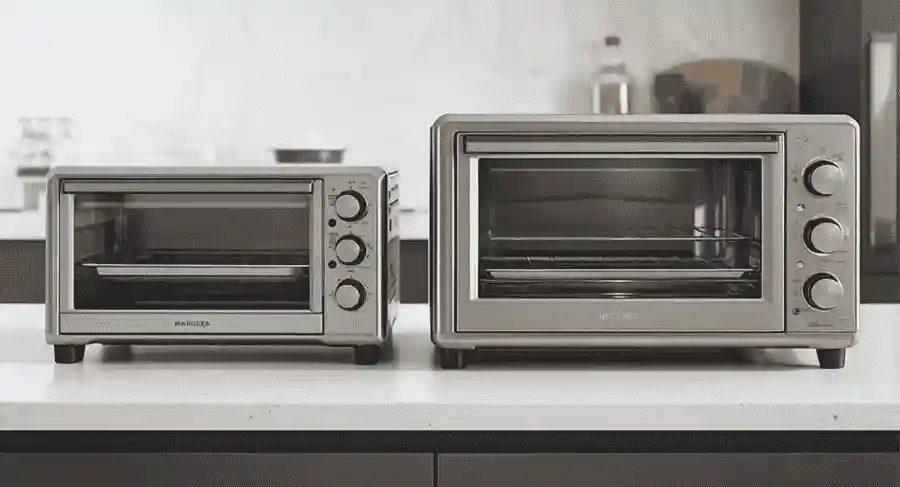
Size And Capacity
Think about the size of your kitchen and how much food you usually cook. Countertop models are ideal for small spaces, while built-in or freestanding ovens are better for families or regular entertaining.
Power And Wattage
Higher wattage ovens heat up faster and cook more evenly. For example, a 1500-watt countertop oven will perform better than a 1000-watt model.
Controls And Settings
Digital controls are easier to use and offer more precise temperature settings. Look for features like timers, preset cooking modes, and interior lights.
Multiple Racks
If you bake or roast large amounts of food, choose an oven with at least two racks. This lets you cook more at once.
Self-cleaning Features
Some ovens offer self-cleaning modes that use heat to burn off residue. This can save time and effort, especially for busy households.
Door Design And Visibility
A large, clear window helps you monitor food without opening the door and letting heat escape.
Extra Features
- Air fry function: For healthier frying with less oil
- Steam cooking: Keeps food moist
- Rotisserie: For evenly roasted meats
- Dehydration: For making dried fruits or jerky
Common Mistakes To Avoid With Electric Convection Ovens
Even experienced cooks make mistakes when using a convection oven for the first time. Here are some errors to avoid, with tips based on real user experiences:
Not Adjusting Temperature Or Time
Remember to reduce the recipe temperature by about 25°F and check for doneness earlier than usual. Some users forget this step and end up with overcooked food.
Using The Wrong Pans
High-sided or dark pans can block airflow and cause uneven results. Stick to light-colored, low-sided pans for best results.
Overcrowding The Oven
Placing too many trays or large dishes inside can block air circulation. One home chef tried to bake three sheets of cookies at once, but only the top sheet baked well. Leaving space between trays fixed the problem.
Forgetting To Preheat
Some people place food in before the oven is fully hot. This can lead to undercooked or unevenly baked dishes.
Not Cleaning The Fan
A dirty fan can affect performance and even be a fire risk. Clean the fan and air vents regularly.
Maintenance And Cleaning Tips
Keeping your electric convection oven clean and well-maintained ensures it lasts longer and works properly. Here is a maintenance plan based on manufacturer guidelines and expert advice:
Regular Cleaning
- Wipe the interior with a damp cloth after each use, especially if spills occur
- Remove racks and wash them with warm, soapy water
- Clean the oven door glass with a gentle glass cleaner
Deep Cleaning
- Every month, unplug the oven and clean the fan cover with a brush or vacuum
- Use a non-abrasive cleaner to scrub the interior, avoiding harsh chemicals that can damage surfaces
- Run the self-clean cycle if your oven has one (follow the manual instructions)
Check The Door Seal
- Inspect the rubber gasket around the door. If it is cracked or loose, replace it to keep heat inside the oven
Clean The Exhaust Vents
- Make sure the exhaust vents are clear of dust or food particles to ensure proper air flow
Avoiding Damage
- Do not use metal tools to scrape burnt food from the oven, as this can scratch the surface
- Never pour water directly into a hot oven, as sudden temperature changes can damage the glass
Real Example: A bakery owner shared that regular fan cleaning reduced service calls and improved baking results. She noticed that a dirty fan slowed down cooking times and caused uneven browning.
Energy Use And Cost Efficiency
Electric convection ovens are known for their energy efficiency. Because they cook food faster and at lower temperatures, they use less electricity over time.
According to the US Department of Energy, convection ovens can save between 10% and 20% of energy compared to standard ovens. For example, a typical household electric oven uses about 2. 3 kWh per hour. If you switch to a convection oven and reduce cooking time by 20%, you could save up to $30 a year on your electricity bill, depending on local rates and how often you use the oven.
Real-world Savings
One family in California switched from a conventional oven to a built-in convection model. They reported that their monthly energy bill dropped by about 8% because they cooked more meals at home and used the oven more efficiently.
Environmental Impact
Using less energy means a smaller carbon footprint. For eco-conscious cooks, an electric convection oven is a step toward more sustainable cooking.
Who Should Use An Electric Convection Oven?
Electric convection ovens are suitable for many types of users:
Home Cooks
Anyone who bakes, roasts, or prepares large meals can benefit from even cooking and faster results.
Bakers
If you love baking cookies, bread, or pastries, you will appreciate the consistent browning and texture.
Small Businesses
Cafes, bakeries, or catering businesses rely on convection ovens for reliable, repeatable results. They are ideal for baking multiple trays or roasting in bulk.
Busy Families
With shorter cooking times, families save time on meal prep and enjoy better-tasting food.
Elderly Or People With Limited Mobility
Countertop convection ovens are easier to access and clean than traditional ovens set below a cooktop.
Professional Chefs
Restaurants use commercial convection ovens for everything from baked goods to roasted meats. The even heat and reliability are essential in busy kitchens.
Personal Experience: A café owner in Chicago switched from a gas oven to an electric convection model. He found that his muffins and scones baked more evenly, and he could bake more trays at once without rotating them.
What Can You Cook In An Electric Convection Oven?
Electric convection ovens are incredibly versatile. Here are some popular uses, with real-world examples:
Roasting Meats
Roast chicken, beef, pork, and turkey cook faster and come out juicier. The circulating air creates crisp skin and even doneness.
Baking Bread And Pastries
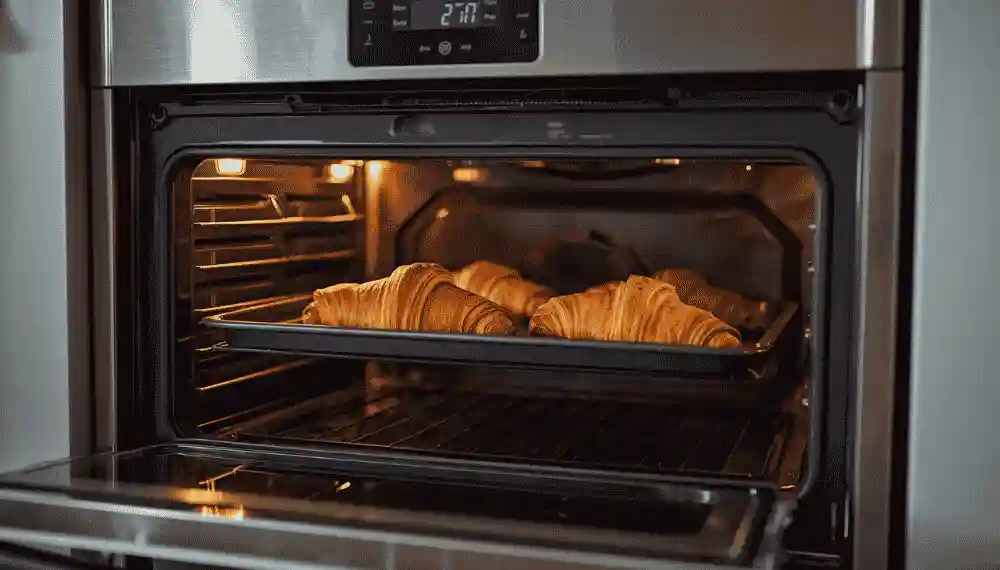
Convection ovens help bread rise higher and develop a golden crust. Croissants and puff pastry layers bake evenly.
Roasting Vegetables
Vegetables like potatoes, carrots, and Brussels sprouts caramelize beautifully. The dry heat helps bring out natural sweetness.
Pizza
Convection ovens produce crisp, evenly browned pizza crusts.
Cookies And Cakes
Cookies bake with uniform color and texture. Sheet cakes and brownies rise evenly.
Casseroles
Lasagna, baked pasta, and gratins cook through without burning the top.
Dehydrating Foods
Some models have a dehydration setting for making dried fruits, jerky, or vegetable chips.
Air Frying
Many modern convection ovens can air fry foods like French fries or chicken wings with little or no oil.
Warming And Reheating
Food reheats quickly and evenly, making leftovers taste fresh.
Below is a table showing common foods and recommended convection oven settings:
| Food | Temperature (°F) | Time | Tips |
|---|---|---|---|
| Roast Chicken (4 lb) | 350 | 60 min | Use roasting rack |
| Cookies | 325 | 9-11 min | Check early |
| Vegetables | 400 | 20-25 min | Toss in oil |
| Bread | 375 | 25-30 min | Use middle rack |
| Pizza | 425 | 10-12 min | Preheat stone |
Safety Tips For Using Electric Convection Ovens
Safety is important when using any electrical appliance. Here are tips to protect yourself and your kitchen:
Read The Manual
Every oven model is different. Review the user manual for specific instructions and safety warnings.
Check The Power Supply
Make sure your oven is plugged into a grounded outlet. Avoid using extension cords.
Keep The Area Clear
Do not store items on top of the oven, and keep flammable materials away from vents.
Use Oven Mitts
The oven and racks get very hot. Always use mitts when removing food.
Supervise Children
Teach children to stay away from the oven while it is in use.
Turn Off After Use
Double-check that the oven is off when finished cooking.
Regular Inspections
Look for signs of wear, such as frayed cords or loose knobs, and fix them quickly.
Real Incident: A family avoided a kitchen fire by cleaning their convection oven’s fan after noticing a burning smell. Grease had built up over months of use.
Frequently Asked Questions
How does an electric convection oven differ from a regular electric oven?
A convection oven has a fan that moves hot air around the food, making cooking faster and more even. A regular electric oven uses only the heating elements, so it can have hot and cold spots. Many convection ovens also allow you to turn the fan off if you want to use it like a traditional oven.
Do I Need To Adjust Recipes For A Convection Oven?
Yes, you should lower the temperature by about 25°F and check your food earlier than the recipe says. This prevents overcooking. Some recipes made for convection ovens will note the right temperature and time.
Is it safe to use aluminum foil in a convection oven?
You can use aluminum foil, but do not cover the fan or block air vents. Foil can block air flow and cause uneven cooking. Use foil only to cover the top of food or line the bottom tray.
Can I bake multiple trays at once in a convection oven?
Yes, one of the best features of a convection oven is even heat on multiple racks. Just make sure air can move around each tray, and avoid overcrowding.
Where Can I Find Reliable Information About Electric Convection Ovens?
A good source for more information is the US Department of Energy. Check their website for detailed guides and tips: US Department of Energy.
The electric convection oven brings speed, energy savings, and more consistent results to the kitchen. Whether you are an occasional baker or a professional chef, understanding how to use and care for a convection oven will help you get the best from your cooking.
Real-life experiences show that with the right approach, you can enjoy better-tasting food and spend less time in the kitchen.