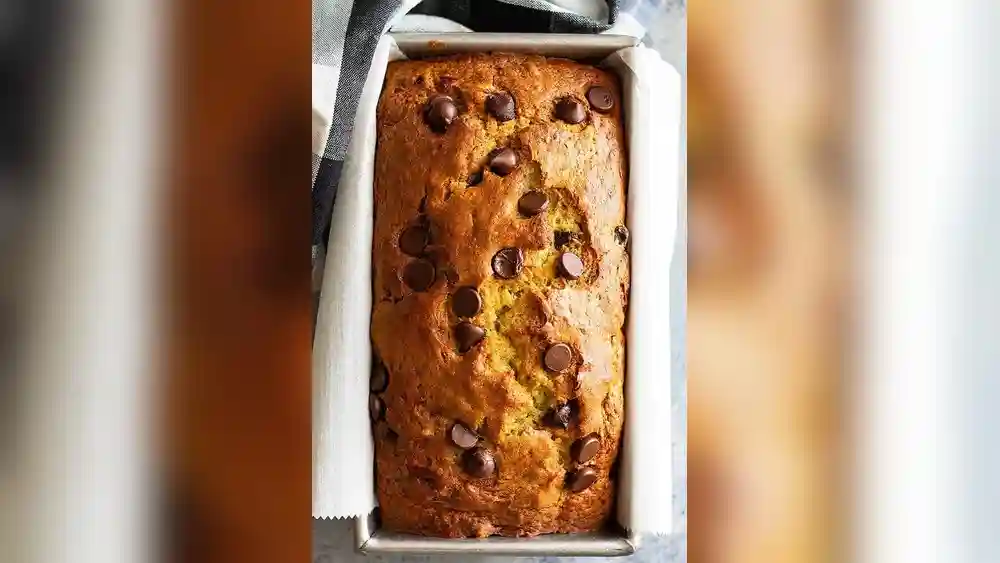
Few kitchen joys compare to the smell of fresh banana bread baking in the oven. A good banana bread is moist, golden, and full of flavor. But did you know that the pan you use can make or break your banana bread? Many home bakers focus on the recipe, but the baking pan is just as important. The right pan helps your bread cook evenly, creates the perfect crust, and prevents sticking. The wrong pan, however, can lead to raw centers, burnt edges, or bread that refuses to leave the pan.
Choosing the best pan for banana bread might seem simple, but there are many choices. Aluminum, glass, ceramic, and nonstick pans each have strengths and weaknesses. The pan’s size, shape, and material all influence your final loaf. This guide will help you understand how to pick the right pan for your banana bread. Whether you bake occasionally or every week, you’ll find tips, real examples, and expert advice here to make every loaf a success.
Why The Pan Matters For Banana Bread
Not all pans are created equal. Even with the best recipe, using the wrong pan can lead to uneven baking, dry edges, or a heavy, soggy center. Here’s why the pan’s material and design matter so much.
Heat Distribution
Different materials transfer heat differently. Aluminum pans heat up quickly and spread heat evenly. This helps your banana bread cook through without overbaking the edges. Glass pans heat slowly but retain heat longer, which can cause the bread to keep baking after you remove it from the oven. Ceramic works like glass but often needs a longer bake. Dark-colored pans absorb more heat, which can brown your bread faster—sometimes too fast.
Pan Size And Shape
Traditional banana bread pans measure about 9 x 5 inches. Some recipes fit better in slightly smaller or larger pans. If your pan is too small, the batter can overflow. Too large, and the bread turns out flat and dry.
The pan’s depth affects how moist the bread stays, while its width shapes the loaf’s crust and crumb.
Nonstick And Stickiness
Banana bread is moist and sticky. A nonstick surface can help, but not all nonstick pans are equal. Cheaper coatings may scratch or lose their effect over time. Even with nonstick, it’s smart to grease and flour your pan, especially if you’re using lots of bananas or sweet add-ins.
Real-life Impact
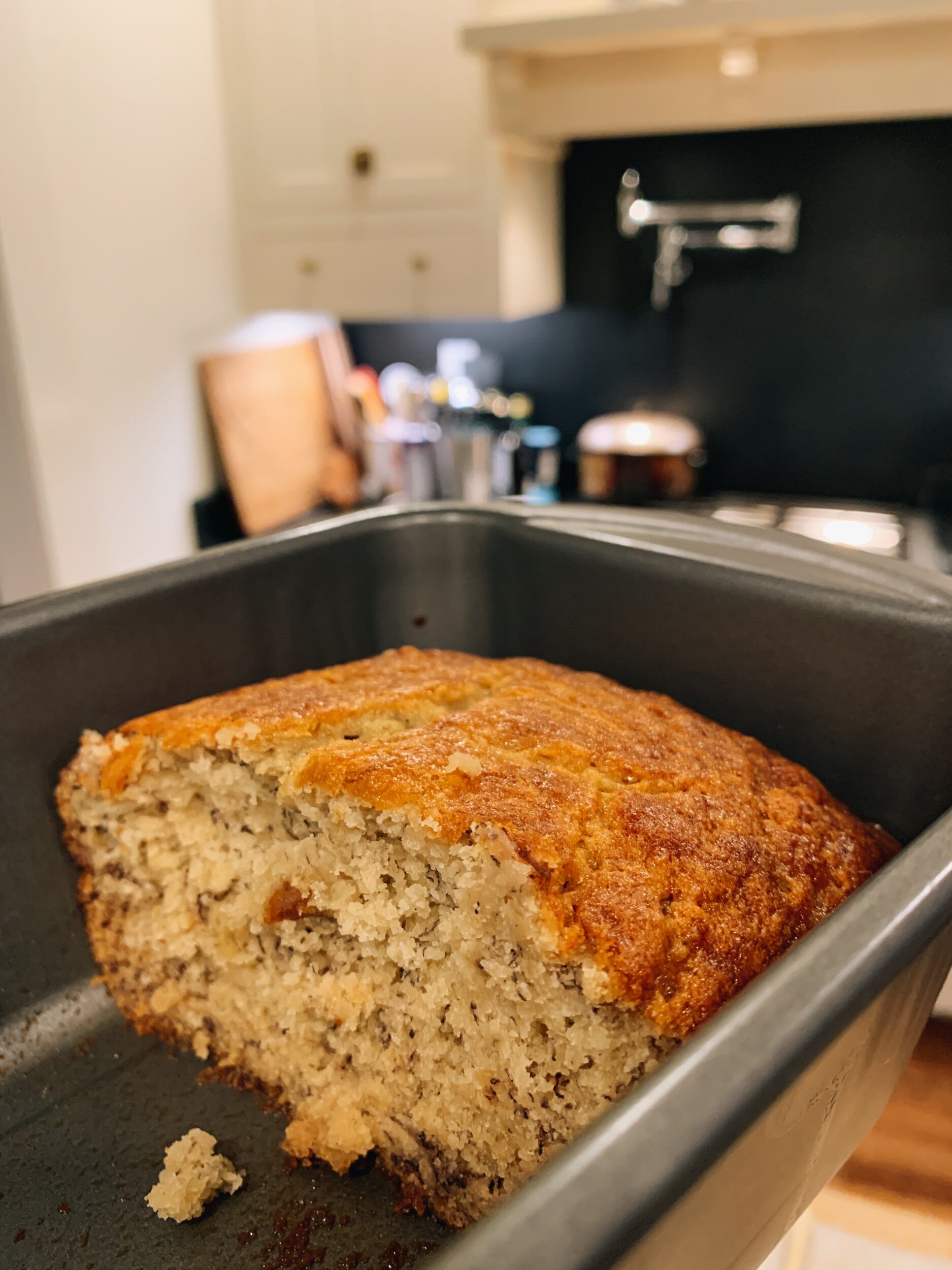
Using the right pan can mean the difference between a loaf that slides out easily, golden and perfect, and one that sticks or breaks. Most home bakers find their banana bread improves dramatically just by switching pans. In tests, banana bread baked in shiny metal pans cooked evenly and had a tender crumb, while glass pans produced a thicker, sometimes gummy crust.
Key Factors To Consider When Choosing A Banana Bread Pan
Finding the best pan for banana bread depends on several factors. Before choosing, ask yourself these questions.
- Material: Do you want light, even baking (aluminum), a crisp crust (metal), or a heavy, slow bake (glass or ceramic)?
- Size: Will you bake standard loaves, mini loaves, or extra-large family loaves?
- Nonstick Features: How easy do you want cleanup to be?
- Durability: Will the pan last for years or scratch easily?
- Price: Are you looking for a budget-friendly option or a long-term investment?
- Oven Compatibility: Some pans work better in convection ovens, while others are made for traditional ovens.
- Ease of Cleaning: Can you put it in the dishwasher or must it be hand-washed?
- Handles and Grip: Is it easy to take out of the oven when hot?
These factors influence not only how your banana bread turns out, but also how much you enjoy baking.
:max_bytes(150000):strip_icc()/8137952-janines-best-banana-bread-Quniesha-C.-Ballard-4x3-1-f7d83a91d1694618af4979843d369514.jpg)
Types Of Banana Bread Pans: Pros And Cons
Understanding the main types of pans helps you make an informed choice. Each material has its own benefits and drawbacks.
Aluminum Pans
Aluminum is the most popular choice among home bakers. It heats up quickly and evenly, which is ideal for banana bread. Lightweight and affordable, aluminum pans are easy to handle.
Pros:
- Even heat distribution
- Quick to heat and cool
- Usually affordable
- Lightweight
Cons:
- Can dent or warp if handled roughly
- May react with acidic ingredients, but this is rare in banana bread
Nonstick Metal Pans
Nonstick metal pans are often made from steel with a slick surface. They release bread easily and make cleanup simple.
Pros:
- Easy to remove bread
- Simple to clean
- Often dishwasher safe
Cons:
- Coatings can scratch or wear off
- Not all coatings are safe for high oven temperatures
Glass Pans
Glass pans heat slowly but hold heat well. This can change how your bread bakes. Many people like seeing the edges as the bread cooks.
Pros:
- Easy to monitor browning
- Safe for the dishwasher
- Won’t rust
Cons:
- Heats slowly, which can lead to undercooked centers
- Bread may stick without proper greasing
- Can shatter with rapid temperature changes
Ceramic Pans
Ceramic pans work much like glass. They look beautiful and often come in bright colors or patterns.
Pros:
- Attractive designs
- Retains heat evenly
- Good for serving
Cons:
- Heavy
- Can chip or crack
- May require longer baking time
Silicone Pans
Silicone pans are flexible, which makes removing bread easy. They are also nonstick by nature.
Pros:
- Easy to remove bread
- Flexible storage
- Dishwasher safe
Cons:
- Floppy, so batter can spill if not handled carefully
- May not brown bread as well
Cast Iron Pans
Cast iron is less common for banana bread, but some bakers love its even heating.
Pros:
- Incredibly durable
- Even heating
Cons:
- Very heavy
- Needs seasoning
- Can rust if not dried properly
Comparing Popular Banana Bread Pan Materials
Here’s a quick look at how the main pan types stack up for banana bread.
| Pan Type | Heat Distribution | Ease of Cleaning | Durability | Browning |
|---|---|---|---|---|
| Aluminum | Excellent | Easy | Good | Even |
| Nonstick Metal | Very Good | Very Easy | Moderate | Even |
| Glass | Fair | Easy | Good | Slow/Uneven |
| Ceramic | Fair | Easy | Fair | Slow/Even |
| Silicone | Poor | Very Easy | Good | Pale |
| Cast Iron | Excellent | Moderate | Excellent | Rich/Even |
Top 10 Banana Bread Pans Reviewed
Let’s look at ten of the most recommended pans for banana bread. Each is rated for its performance, durability, and ease of use.
1. Usa Pan Bakeware Aluminized Steel Loaf Pan
The USA Pan Bakeware pan is a favorite among serious bakers. Made from aluminized steel with a unique nonstick coating, it offers even heating and easy release. The pan’s ribbed surface helps air flow, so your bread browns evenly and doesn’t stick.
- Size: 9 x 5 inches
- Nonstick: Yes
- Dishwasher Safe: Yes, but hand washing is best
- Durability: Very high
This pan is a bit of an investment, but most users find it lasts for years without warping or losing its coating. The textured surface is a detail beginners often overlook—it prevents soggy bottoms and helps with even browning.
2. Wilton Recipe Right Nonstick Loaf Pan
Wilton’s nonstick pans are affordable and widely available. The nonstick coating makes for simple cleanup and easy bread removal. It’s a good starter pan for those new to baking.
- Size: 9.25 x 5.25 inches
- Nonstick: Yes
- Dishwasher Safe: Yes
- Durability: Moderate
While the coating will eventually wear with heavy use, this pan is a solid choice for occasional bakers. It’s also lightweight, which is helpful for those who don’t want to handle heavy pans.
3. Pyrex Glass Loaf Dish
Pyrex is a household name for glass bakeware. This glass loaf dish is sturdy and allows you to watch the bread as it bakes. The thick glass holds heat, which can give banana bread a slightly denser texture.
- Size: 8.5 x 4.5 inches
- Nonstick: No
- Dishwasher Safe: Yes
- Durability: High, unless dropped
One thing to remember: glass pans can require a longer bake time or a lower temperature. If your banana bread usually overbrowns, glass can help fix that. However, always let the pan cool before washing to avoid cracks.
4. Oxo Good Grips Non-stick Pro Loaf Pan
OXO’s Good Grips line is known for comfort and quality. This pan has a ceramic-reinforced, two-layer nonstick surface. The handles are wide, making it easy to lift in and out of the oven.
- Size: 9 x 5 inches
- Nonstick: Yes
- Dishwasher Safe: Yes, but hand washing is recommended
- Durability: High
The heavy-gauge aluminum core ensures even heating. The pan’s square-rolled edges add strength and make it less likely to warp.
5. Rachael Ray Yum-o! Nonstick Bakeware Loaf Pan
Rachael Ray’s pan is popular with home cooks who want bright, fun cookware. The pan’s nonstick surface is reliable, and the handles are covered in colorful silicone for a secure grip.
- Size: 9 x 5 inches
- Nonstick: Yes
- Dishwasher Safe: Yes
- Durability: Good
The silicone handles stay cool and make this pan a favorite for anyone with small or unsteady hands. It’s a good mid-range choice for banana bread.
6. Nordic Ware Naturals Aluminum Commercial Loaf Pan
Nordic Ware is known for quality, and this commercial-style pan is no exception. Made from pure, uncoated aluminum, it heats and cools rapidly. Though it’s not nonstick, bread usually releases well with proper greasing.
- Size: 9 x 5 inches
- Nonstick: No
- Dishwasher Safe: No
- Durability: Excellent
The pan’s heavy-duty build resists warping. Since there’s no nonstick coating, there’s nothing to wear out—just grease and flour well before baking.
7. Farberware Bakeware Nonstick Loaf Pan
Farberware’s nonstick loaf pan is budget-friendly and easy to find in most stores. It’s lightweight and has a decent nonstick surface.
- Size: 9 x 5 inches
- Nonstick: Yes
- Dishwasher Safe: Yes
- Durability: Moderate
For people just starting with baking or those who want a pan for occasional use, this is a practical choice. The price is low, but the performance is solid for banana bread.
8. Le Creuset Stoneware Heritage Loaf Pan
Le Creuset makes some of the most beautiful bakeware on the market. Their stoneware loaf pan is heavy, sturdy, and comes in several bright colors.
- Size: 9 x 5 inches
- Nonstick: No, but glazed interior helps
- Dishwasher Safe: Yes
- Durability: Very high
This pan is best for those who want to serve banana bread straight from the pan. It’s oven, microwave, and freezer safe. The heavy stoneware gives banana bread a moist, even crumb.
9. Chicago Metallic Commercial Ii Traditional Uncoated Loaf Pan
This commercial-style pan is made from heavy-duty steel. It’s uncoated, so you’ll need to grease it well. The straight sides and sharp corners give your banana bread a bakery look.
- Size: 9 x 5 inches
- Nonstick: No
- Dishwasher Safe: No
- Durability: Excellent
It’s a great choice for those who bake often and want a pan that will last for decades. The pan will darken over time, which actually improves its nonstick qualities.
10. Trudeau Structure Silicone Loaf Pan
The Trudeau Structure pan combines flexible silicone with a steel structure for stability. You get the nonstick benefits of silicone but with the support of a metal frame.
- Size: 8.5 x 4.5 inches
- Nonstick: Yes
- Dishwasher Safe: Yes
- Durability: Good
Because silicone doesn’t brown bread as well, it’s best for those who like a lighter crust. The structure helps prevent spills, which is a common issue with floppy silicone pans.
Comparing Top Banana Bread Pans
For a side-by-side look at these top pans, here’s a simple comparison.
| Pan | Material | Nonstick | Size (inches) | Durability |
|---|---|---|---|---|
| USA Pan Bakeware | Aluminized Steel | Yes | 9 x 5 | Very High |
| Wilton Recipe Right | Nonstick Steel | Yes | 9.25 x 5.25 | Moderate |
| Pyrex Glass | Glass | No | 8.5 x 4.5 | High |
| OXO Good Grips | Aluminum/Nonstick | Yes | 9 x 5 | High |
| Rachael Ray Yum-o! | Nonstick Steel | Yes | 9 x 5 | Good |
| Nordic Ware Naturals | Aluminum | No | 9 x 5 | Excellent |
| Farberware Bakeware | Nonstick Steel | Yes | 9 x 5 | Moderate |
| Le Creuset Heritage | Stoneware | No | 9 x 5 | Very High |
| Chicago Metallic | Uncoated Steel | No | 9 x 5 | Excellent |
| Trudeau Silicone | Silicone/Steel | Yes | 8.5 x 4.5 | Good |
How To Get The Best Results From Your Banana Bread Pan
Even the best pan won’t work miracles if you don’t use it properly. Here’s how to get the most out of your chosen pan.
Grease And Line Your Pan
Even nonstick pans can fail. Always grease your pan with butter or oil. For extra insurance, line the bottom with parchment paper. This makes removing banana bread easy, especially if you add chocolate chips or nuts that can stick.
Adjust Bake Times For Material
If you switch from metal to glass or ceramic, reduce your oven temperature by 25°F and bake a little longer. Metal pans usually bake faster; glass and ceramic bake slower but hold heat longer. Silicone pans may need a few extra minutes for the bread to set.
Don’t Overfill
Fill your pan about two-thirds full. Too much batter can overflow, making a mess and causing uneven baking. If you have extra batter, make a mini loaf or a few muffins.
Cool Before Removing
Let your banana bread cool in the pan for at least 10–15 minutes after baking. This helps it set and makes it less likely to break. Use a thin spatula to loosen the edges before turning out.
Clean Gently
Don’t use harsh scouring pads on nonstick or glass pans. Mild soap and a soft sponge keep your pan in good shape and extend its life.
Store Properly
Stacking heavy items on top of delicate pans can bend or crack them. Store pans with care, and avoid putting nonstick pans under heavy cookware.
Common Mistakes When Choosing Or Using A Banana Bread Pan
Bakers—especially beginners—often make these mistakes:
- Ignoring pan size. Using a pan that’s too small or large changes baking time and bread texture.
- Assuming all nonstick pans are equal. Cheaper nonstick coatings can wear off quickly or be unsafe at high temperatures.
- Not adjusting oven temperature. Glass and ceramic pans need different temperatures than metal.
- Skipping parchment paper. Even the best nonstick pans can stick with very moist or sweet batters.
- Washing hot pans with cold water. This can crack glass or ceramic pans.
- Not replacing old pans. Warped or scratched pans affect baking. If bread sticks or bakes unevenly, it may be time for a new pan.
A non-obvious insight: The color of your pan matters. Dark pans brown bread faster; light pans bake more gently. If your banana bread always seems too dark or dry, try switching to a lighter-colored pan.
How Pan Size Affects Banana Bread
Size isn’t just about how much batter fits. It also affects baking time, texture, and even the look of your loaf.
Standard Loaf Pans
The standard banana bread recipe fits a 9 x 5 inch pan. Most recipes are written for this size. If your pan is smaller (like 8 x 4 inches), reduce the bake time or expect a taller, denser loaf.
Mini Loaf Pans
Mini pans (often 5 x 3 inches) make cute, personal loaves. They bake faster, usually in 25–30 minutes. These are perfect for gifting or for portion control.
Large Or Pullman Loaf Pans
Larger pans (10 x 5 inches or more) make wide, flat loaves. They’re useful for slicing and freezing. You may need to increase the recipe or expect a thinner loaf.
Using The Right Amount Of Batter
A good rule: Don’t fill the pan more than two-thirds full. If you have leftover batter, make muffins. This prevents overflow and helps the bread bake evenly.
Special Features To Look For In A Banana Bread Pan
Some pans offer extra features that can make baking easier.
Handles
Pans with wide or silicone-coated handles are safer to grip, especially with oven mitts. This is a detail that’s easy to miss, but it makes a big difference if you bake often.
Textured Bottoms
A ribbed or textured bottom allows air to flow beneath your bread, which can help prevent soggy spots and promote even browning.
Dishwasher Safe
If you prefer easy cleanup, look for pans marked as dishwasher safe. However, hand washing often extends the life of your pan.
Multi-pan Sets
Some companies sell sets with multiple pans in different sizes. This is useful if you like to bake both large and mini loaves.
Caring For Your Banana Bread Pan
A good pan can last for years if you treat it well.
Cleaning
Wash your pan as soon as it’s cool. Avoid harsh cleaners, especially with nonstick or glass pans. Dry pans completely before storing to prevent rust or water spots.
Seasoning Uncoated Pans
If you use a plain aluminum or steel pan, consider “seasoning” it by rubbing with a thin layer of oil and baking it empty for 15 minutes. This helps prevent sticking.
Storing
Never stack heavy pots on top of glass or ceramic pans. Store pans upright or with towels between them to prevent scratches.
Checking For Wear
If your nonstick pan is scratched or flaking, replace it. Old, warped pans also need to go. Sticking and uneven baking are signs that it’s time for a new pan.
How To Test A Pan Before Baking Banana Bread
If you’re unsure whether your pan is right for banana bread, do a quick test.
- Fill the pan with water to the two-thirds mark. This shows how much batter it will hold.
- Place the empty pan in your oven for 10 minutes at 350°F. After removing, see if it warps or changes color.
- Grease and flour the pan, then bake a small test cake. This reveals how well the pan bakes and releases.
These simple tests can help you avoid disappointment with your next loaf.
:max_bytes(150000):strip_icc()/sea-usa-pan-nonstick-loaf-pan-meghan-splawn-02-f80911921f2e4d2294064adeae76ecb2.jpeg)
Banana Bread Pan Myths And Facts
There’s a lot of confusion about what makes the best pan for banana bread. Let’s clear up some common myths.
Myth: Glass And Ceramic Always Stick
Fact: With proper greasing and parchment paper, glass and ceramic pans can release banana bread easily. The trick is not to rush the cooling process.
Myth: Nonstick Pans Don’t Need Prep
Fact: Even nonstick pans can stick with very moist banana bread or add-ins like chocolate chips. Always grease and line for best results.
Myth: Silicone Pans Bake Evenly
Fact: Silicone pans can actually bake less evenly than metal or glass. They don’t conduct heat as well, so the crust may be pale.
Myth: All 9 X 5 Inch Pans Are The Same
Fact: Some 9 x 5 pans are actually 8.5 x 4.5 or slightly larger. Always check the true size—just a small difference can impact your bread.
Myth: Expensive Pans Are Always Better
Fact: Many affordable pans perform as well as pricey ones. The key is to match the pan to your recipe and baking style.
Tips For Perfect Banana Bread Every Time
Your pan is just part of the process. Here are a few more tips:
- Use very ripe bananas for moist, flavorful bread.
- Don’t overmix the batter; stir until just combined.
- Preheat your oven fully before baking.
- Test with a toothpick in the center—if it comes out clean, the bread is done.
- Let your bread cool before slicing to prevent a gummy texture.
A non-obvious tip: If your banana bread always seems undercooked in the middle but the edges are brown, try lowering your oven rack. This helps the center cook more evenly.
Real-world Example: How Changing A Pan Improved A Recipe
Maria had baked banana bread for years in a glass pan. Her loaves were always dense in the middle and dark on the sides. After reading about pan materials, she switched to a light aluminum pan. The result? Her banana bread baked faster, had a golden crust, and was soft all the way through.
Sometimes, the smallest change makes the biggest difference.
Other Uses For A Banana Bread Pan
Don’t limit your loaf pan to just banana bread. With the right pan, you can bake:
- Meatloaf
- Pound cake
- Zucchini bread
- Yeast bread
- Lasagna for two
- Freezer fudge
A good pan is versatile and earns its spot in your kitchen.
Where To Buy High-quality Banana Bread Pans
You can find banana bread pans in kitchen stores, department stores, and online retailers. For the best selection, try stores that specialize in bakeware. Always read reviews and check for warranty or return policies. Reliable brands include USA Pan, Wilton, Nordic Ware, OXO, and Le Creuset.
For more on bakeware materials, see this helpful guide from Serious Eats.
Frequently Asked Questions
What Is The Best Material For A Banana Bread Pan?
The best material depends on your baking style. Aluminum pans are most popular for even heating and reliable results. Nonstick pans are easier for beginners. Glass and ceramic can work well but require temperature adjustments and careful handling.
Should I Use A Nonstick Pan Or Grease My Pan For Banana Bread?
Even with a nonstick pan, it’s smart to grease and flour your pan. This ensures easy release, especially with sweet or sticky batters. For glass and ceramic, parchment paper on the bottom is a great backup.
Why Does My Banana Bread Stick To The Pan?
This happens if the pan is not greased well, if the nonstick coating is worn, or if you try to remove the bread too soon. Let the bread cool, and use a thin knife around the edge before turning out.
Can I Use A Muffin Tin For Banana Bread Batter?
Yes, you can use a muffin tin for banana bread batter. Reduce the baking time to about 20–25 minutes for standard muffins. This is a great way to use up extra batter.
How Do I Know If My Banana Bread Pan Needs Replacing?
Replace your pan if you see warping, scratches, or rust. If bread sticks badly or bakes unevenly even with proper prep, it’s time for a new pan.
Choosing the best pan for banana bread is a small detail that can bring big rewards. With the right pan, your banana bread will bake evenly, release smoothly, and taste just the way you want. Enjoy experimenting and happy baking!