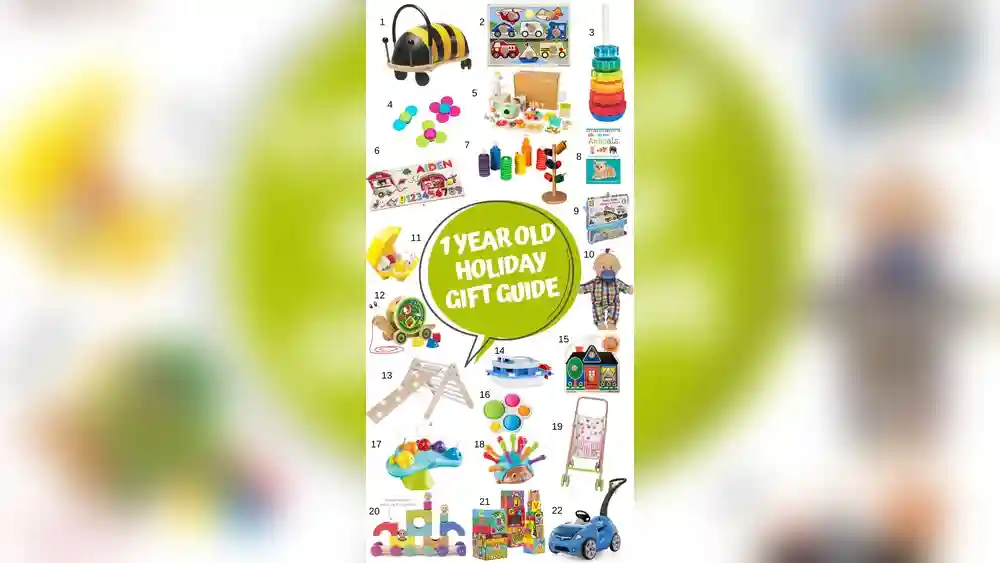
Finding the right present for a 1-year-old often feels both exciting and a bit overwhelming. Children at this age are changing quickly—curious, active, and eager to interact with the world around them. Their fine motor skills are developing, their understanding of language is growing, and they are exploring everything with all their senses.
The best gifts are not just fun, but also help with learning, movement, and creativity.
Many parents, relatives, and friends want to choose something memorable, useful, and safe. But with so many options online and in stores, it’s easy to feel lost. Some toys promise to boost intelligence, while others focus on bright lights and catchy sounds.
Yet, not every gift suits every child, and some toys may even be too advanced or not engaging enough.
This guide is designed to make your decision easier. It covers a wide range of presents—classic toys, modern favorites, practical items, and unique ideas. You’ll find suggestions that fit different budgets, spaces, and personalities. Along the way, you’ll also learn what makes a gift truly special for this age group, and how to avoid common mistakes when shopping for a 1-year-old.
What Makes A Gift Perfect For A 1-year-old?
Before you start looking at specific products, it helps to understand what’s happening in a 1-year-old’s world. Children at this age are learning through play. They’re moving from crawling to walking, babbling more words, and trying to do things by themselves.
The best presents match their stage and encourage them to discover new things safely.
Here’s what you should look for:
- Safety: No small parts, sharp edges, or toxic materials.
- Durability: Sturdy enough to survive drops, bites, and rough play.
- Sensory Appeal: Interesting colors, textures, sounds, or movements.
- Developmental Benefits: Helps with fine motor skills, balance, hand-eye coordination, or language.
- Ease of Cleaning: Washable or wipeable surfaces.
- Longevity: Can be enjoyed as the child grows, not just for a few weeks.
It’s also wise to consider the family’s living space and lifestyle. Is there room for a big toy? Do they travel often? Would parents prefer something quiet or interactive?
Classic Toys That Never Go Out Of Style
Some gifts have stood the test of time because they truly engage young children and help them grow. These classic toys are often simple, but they encourage endless exploration.
Stacking Rings
Stacking rings are a favorite for many reasons. The bright colors attract attention, while the act of stacking helps with hand-eye coordination and problem-solving. Many brands now use soft, chewable materials and safe paints. Some sets even add a gentle rattle or different textures for extra sensory fun.
Children love to take the rings off and put them back on in new ways. This simple activity teaches size order and cause-and-effect. It’s also a toy that can be passed down to younger siblings or friends.
Shape Sorters
A shape sorter is more than a toy—it’s a puzzle that invites little ones to test ideas and try again. Each piece fits in only one hole, so children must turn and match shapes. This builds patience, attention to detail, and early spatial awareness.
Many sorters are made from wood or sturdy plastic. Look for sets with large, easy-to-grasp pieces and a box or bucket that’s safe for little hands.
Wooden Blocks
Wooden blocks are a foundation for creativity. Children can stack, line up, knock down, and build again. This open-ended play encourages imagination, fine motor skill development, and even early math concepts like counting and balance.
Quality matters here. Choose blocks that are sanded smooth, painted with non-toxic colors, and sized so they can’t be swallowed.
Push And Pull Toys
As soon as children start walking, they love to push or pull something behind them. Classic push and pull toys (like a wooden dog on wheels or a colorful wagon) help with balance, coordination, and confidence.
Some toys make gentle sounds or have moving parts that react to motion. These small surprises reward movement and keep children interested.
Modern Favorites With A Twist
Today’s market offers many new takes on traditional toys. Some add technology or clever designs, while others use eco-friendly materials or clever learning features.
Interactive Musical Toys
Babies are naturally drawn to music and rhythm. Interactive musical toys—like pianos, drums, or xylophones designed for small hands—allow children to experiment with sound. Many toys light up or play simple tunes when tapped, which encourages movement and cause-and-effect thinking.
It’s worth noting that too much noise or flashing can overwhelm some children. Look for musical toys with volume control or gentle sounds. Wooden instruments often offer a softer, more pleasant sound than battery-powered ones.
Soft Activity Books
Soft activity books (sometimes called “busy books”) combine storytelling with textures, flaps, and crinkles. These books are often made from fabric, with stitched-on shapes, mirrors, and buttons.
They’re perfect for quiet time and travel, and they can be washed if needed. Activity books encourage language, touch, and imagination, making them a great alternative to screens.
First Puzzles
Simple first puzzles introduce the idea of matching and fitting. Many feature animals, vehicles, or familiar shapes with chunky pieces that are easy to grab. Some puzzles have knobs or handles, while others use magnetic pieces.
At this age, children won’t complete a puzzle alone, but they’ll enjoy trying and celebrating small successes.
Bath Toys
Bath time is a daily adventure. Bath toys—like floating boats, cups that pour water, or simple squirters—make the experience even more fun. They invite sensory play and help children get comfortable with water.
Choose toys that dry quickly and don’t trap water inside, as this reduces the risk of mold.
Practical And Useful Presents
Not every gift has to be a toy. Sometimes, the most appreciated presents are those that make daily life easier or more joyful for both children and parents.
Board Books
Board books with sturdy pages are perfect for little hands. Stories with simple words, bright pictures, and touchable surfaces keep children interested and help with early language development.
Books about animals, daily routines, or first words are always welcome. Some board books include mirrors, textures, or flaps for more interactive fun.
Mealtime Sets
A child’s first mealtime set—including a plate, bowl, cup, and spoon—can make eating more exciting. Sets designed for 1-year-olds often have fun shapes, bold colors, and non-slip bases.
Look for products made from safe materials like BPA-free plastic, silicone, or bamboo. Dishwasher-safe items are a plus for busy parents.
Cozy Blankets Or Loveys
A soft, cuddly blanket or lovey quickly becomes a source of comfort. Many children keep their favorite blanket for years. Choose materials that are gentle on skin and machine-washable.
Personalized options (with the child’s name or initials) add a special touch.
Growth Chart
A growth chart lets families track a child’s height over time. Many charts are designed with animals, trees, or other playful themes, making them a cheerful addition to a child’s room.
Fabric charts that roll up are easy to move if the family relocates.
Personalized Gifts
Personalized items—like a name puzzle, custom storybook, or embroidered backpack—show extra thought. These gifts often become keepsakes, reminding families of a special milestone.
Be sure to check spelling and delivery times, as personalized items may require extra planning.
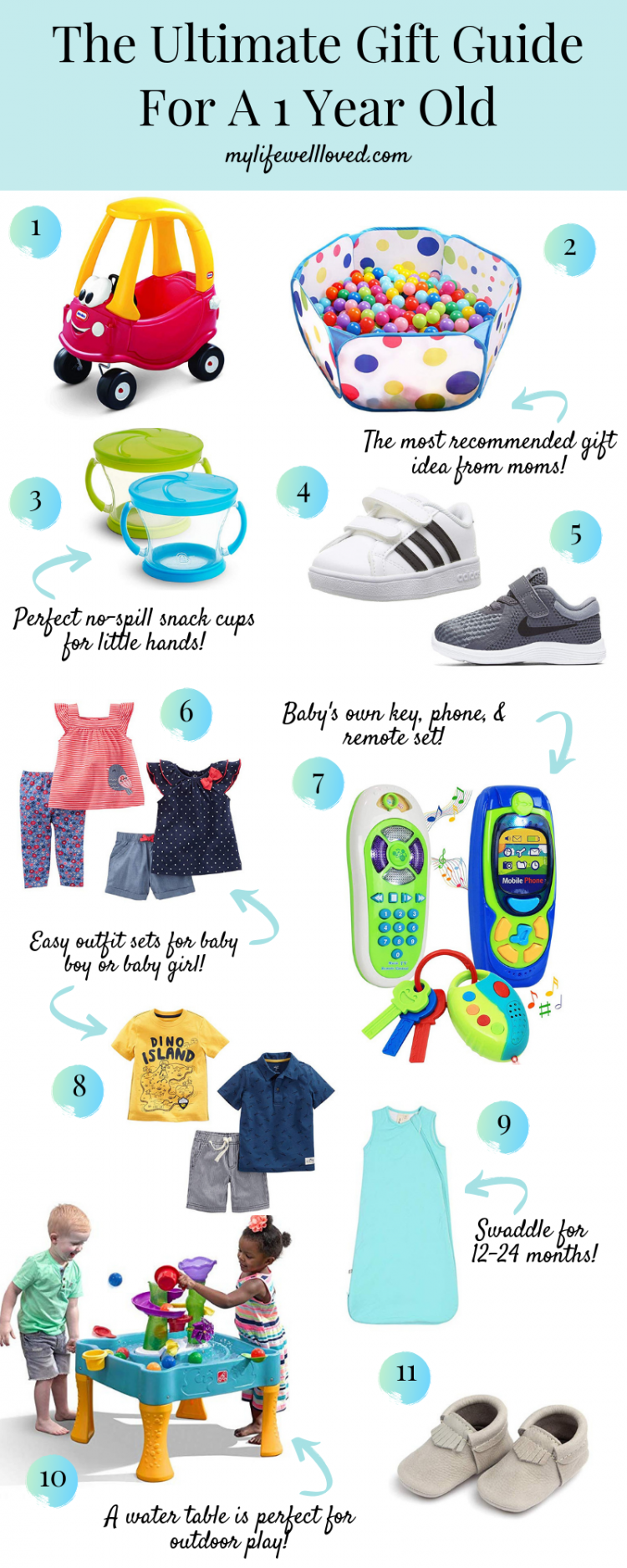
Gifts That Encourage Movement
Physical activity is important for healthy development at this age. Gifts that inspire crawling, standing, or walking are always a hit.
Ride-on Toys
Ride-on toys are designed for children who are starting to walk. These might be small cars, animals, or scooters that can be pushed with feet. The best options are stable, with a low seat and easy-to-grip handles.
These toys help build leg strength, balance, and confidence. Some ride-ons double as walkers or offer storage under the seat.
Ball Sets
A simple ball set can lead to hours of play. Soft, lightweight balls are safe indoors or outdoors and encourage rolling, tossing, and chasing.
Balls with different textures or colors add interest and help with sensory exploration.
Climbing Cushions Or Play Mats
Soft climbing cushions or large play mats create a safe space for crawling, rolling, or exploring new movements. Some mats have colorful patterns or built-in features like mirrors and crinkles.
Modular cushions can be rearranged for new challenges as the child grows.
Tunnel Or Tent
A play tunnel or small tent sparks curiosity and adventure. Crawling through a tunnel helps with spatial awareness, while a tent creates a cozy spot for reading or quiet play.
These toys are lightweight and foldable, so they’re easy to store or move.
Gifts That Spark Creativity
Creativity starts early. Even before children can draw or build complex things, they love to experiment with cause and effect, color, and sound.
Art Supplies For Toddlers
First art sets for 1-year-olds include large crayons, finger paints, or washable markers. These tools are designed to be safe, non-toxic, and easy to grip.
Art activities help with hand strength, coordination, and self-expression. Always supervise, and cover surfaces to keep cleanup simple.
Musical Shakers And Instruments
Small musical instruments—like maracas, bells, or tambourines—are perfect for little hands. Children enjoy making noise, and music supports rhythm, listening, and group play.
Choose instruments made from wood or sturdy plastic, and avoid anything with small removable parts.
Simple Building Toys
Building sets designed for 1-year-olds use chunky pieces that snap together or stack. These toys support problem-solving and creative thinking.
Some sets include magnetic blocks or soft, squishy shapes for safe, open-ended play.
:max_bytes(150000):strip_icc()/prt-tier-3-primary-best-toys-1-year-olds-ahuang-059-3d619b2616194e288a17d49ad4297235.jpeg)
Gifts For Quiet Moments
Not every child is always on the go. Many enjoy quiet time, whether it’s cuddling, listening to a story, or exploring textures.
Stuffed Animals
A soft stuffed animal often becomes a child’s best friend. Pick animals with embroidered features (not buttons or glued pieces) and machine-washable fabrics.
If possible, choose a character or color the child already likes.
Nightlights
A gentle nightlight makes bedtime less scary and helps children settle in the dark. Some nightlights project stars or play lullabies, while others glow with soft, calming colors.
Rechargeable or plug-in options are more convenient for parents.
Sensory Balls
Sensory balls with different textures and sizes encourage touch and exploration. Some balls squeak or bounce in unusual ways, which surprises and delights children.
These toys also help with grip strength and can be used in water or on the floor.
Outdoor And Adventure Gifts
Time outside is important for health and happiness. Many outdoor toys also work indoors on rainy days.
Sand And Water Tables
A sand and water table turns playtime into a mini adventure. Children can scoop, pour, and dig, learning about cause and effect.
Look for tables with a sturdy base, rounded corners, and a lid to keep things clean when not in use.
First Swing
A baby swing—either for indoor or outdoor use—offers gentle movement and lots of giggles. Some swings are designed to hang from doorways or sturdy frames.
Always follow the manufacturer’s weight and installation guidelines for safety.
Outdoor Playhouse
A small playhouse gives children their own space to imagine, hide, or host pretend picnics. Plastic or fabric houses are easy to clean and move.
These gifts encourage social play and independence as children grow.
Subscription Gifts And Experiences
Not every present has to be a physical object. Experiences and ongoing surprises are often just as meaningful.
Monthly Book Or Toy Subscriptions
A subscription box delivers a new toy or book each month, chosen for the child’s age and interests. This keeps playtime fresh and gives families something to look forward to.
Some services focus on learning, while others include art, music, or nature themes.
Local Classes Or Activity Passes
Consider gifting a class or pass for a local music, swimming, or movement group. These experiences help children and parents meet new friends and try new activities.
Check schedules, locations, and age requirements before purchasing.
Family Photo Session
A professional photo session is a gift for the whole family. Photos at this age capture precious memories and can be shared with relatives near and far.
Choose a local photographer who specializes in working with young children.
Comparing Popular Gift Types
Here’s a quick comparison of classic toys, modern favorites, and practical gifts to help you decide what fits best:
| Gift Type | Main Benefits | Best For | Potential Drawback |
|---|---|---|---|
| Classic Toys | Timeless, durable, open-ended play | Long-term use, siblings | May seem less "exciting" to some parents |
| Modern Favorites | Interactive, sensory-rich, often educational | Tech-friendly families, variety seekers | Shorter interest span, battery needs |
| Practical Gifts | Useful daily, supports routines | Busy parents, minimalists | Less "wow" factor for the child |
Mistakes To Avoid When Choosing A Gift
It’s easy to get caught up in what looks cute or gets good reviews online. But some common mistakes can lead to disappointment:
- Ignoring safety guidelines: Always check for age recommendations, choking hazards, and material safety. A toy that seems simple might have hidden risks.
- Choosing toys that are too advanced: A 1-year-old may not enjoy a puzzle with 12 pieces or a game that requires following instructions. Pick items that match their current skills.
- Buying large items without checking space: Not every family has room for a playhouse or big ride-on toy. When in doubt, ask the parents.
- Overlooking the child’s personality: Some children love noise and activity, while others prefer quiet play. Try to match the gift to what you know about the child.
- Forgetting about easy cleaning: Young children put everything in their mouths. Toys that can’t be washed or sanitized may not last long.
Real-world Examples: What Do Parents Recommend?
While expert lists are helpful, real-life experience offers valuable insights. Here are a few examples shared by parents:
- A mother in London found that a simple ball set kept her son moving indoors during rainy weeks. He learned to throw and catch much earlier than expected.
- In a small apartment in New York, a soft activity book became a favorite. It was easy to pack for visits and didn’t make noise during nap time.
- A father in Sydney said a push wagon helped his daughter practice walking. She filled it with blocks and took it everywhere, even using it to help clean up toys.
- One family in Berlin received a personalized name puzzle. Their son loved taking the letters out and putting them back in, learning to recognize his own name.
These stories show that sometimes the simplest gifts bring the most joy and learning. It’s not always about the latest trend, but about what fits the child’s world.
How To Choose A Gift That Stands Out
With so many choices, how do you find something special? Here are some less obvious strategies:
- Ask the parents: They know what the child already owns and what’s on their wish list. They might appreciate a practical item over another stuffed animal.
- Think about the next stage: Children grow fast. A toy that’s fun now but still useful in a few months offers better value.
- Consider experiences: A trip to a local zoo, a music class, or a family picnic can be just as meaningful as a physical toy.
- Don’t overlook simple joys: Even a set of colorful nesting cups or a soft ball can inspire hours of play.
Gift Ideas For Different Budgets
It’s possible to find a thoughtful present without spending a lot. Here’s a quick overview of ideas in different price ranges:
| Budget | Gift Suggestions |
|---|---|
| Under $20 | Board book, stacking rings, soft ball, musical shaker |
| $20–$50 | Push toy, shape sorter, bath toy set, growth chart |
| $50–$100 | Ride-on toy, play tunnel, first swing, art set bundle |
| $100 and up | Outdoor playhouse, sand and water table, subscription box |
Safety Checklist For All Gifts
Safety is always the top priority. Here’s a checklist to review before buying any gift for a 1-year-old:
- Check for choking hazards. All parts should be larger than a golf ball.
- Avoid long strings or cords.
- Choose non-toxic, BPA-free materials.
- Look for sturdy construction and no sharp edges.
- Ensure the toy is easy to clean or wash.
- Review product recalls or safety ratings if unsure.
For more safety information, you can visit the U.S. Consumer Product Safety Commission.
Top Tips For Wrapping And Presenting Gifts
Presentation adds excitement, even for very young children. Here are a few ideas:
- Use colorful, textured wrapping paper or reusable fabric.
- Attach a ribbon or bow (but remove them after opening to prevent choking).
- Include a simple card or photo for parents to keep.
- For books, write a short message on the inside cover.
When To Give The Gift
Timing can matter more than you think. If you’re attending a birthday or family event, check with the hosts about when gifts will be opened. Some families prefer to space out presents, especially if the child is easily overwhelmed.
If mailing a gift, allow extra time for shipping and consider sending a message or video so the child recognizes the sender.
Frequently Asked Questions

What Are Safe Materials For 1-year-old Toys?
The safest materials are BPA-free plastic, solid wood with non-toxic finishes, and organic fabrics. Always look for toys that are labeled as free from phthalates, lead, and small parts. Quality brands usually mention safety testing and certifications on the packaging or website.
How Many Toys Should A 1-year-old Have?
There’s no perfect number, but fewer, high-quality toys often lead to more focused play. Rotating toys—putting some away and swapping them out every few weeks—keeps things interesting and reduces clutter. It’s better to have a few well-loved items than a pile of forgotten ones.
What Are The Best Gifts If I Don’t Know The Child Well?
Safe bets include board books, stacking rings, sensory balls, and simple musical toys. These are universally loved, suit all personalities, and rarely duplicate what the family owns. Practical gifts like a cozy blanket or mealtime set are also appreciated.
How Do I Avoid Buying Something The Family Already Has?
The best way is to ask the parents directly or check if they have a wish list. If you want to keep it a surprise, choose classic items in unique colors or opt for personalized gifts. Experiences and subscriptions are also less likely to overlap.
Are Noisy Toys A Bad Idea?
Noisy toys can be fun, but moderation is important. Some children love music and sound effects, while others get overwhelmed. If you choose a noisy toy, look for ones with volume control or an off switch. Always consider the parents’ preferences, especially if space is limited.
Thoughtful gifting is about more than buying something cute or popular. It’s about supporting a child’s growth, respecting family routines, and adding a little more wonder to daily life. With the right gift, you can spark joy, encourage learning, and create happy memories that last well beyond the first birthday.