Last updated: June 2026 | Reading time: ~12 minutes
If you've been using your toaster oven only for toast and reheating leftovers, you're genuinely missing out. That compact appliance sitting on your counter is capable of far more than its name suggests — and once you understand how to use it properly, you might find yourself turning to it before you ever think about the big oven.
So, what can you cook in a toaster oven? The short answer: almost everything a conventional oven can handle. Chicken, fish, roasted vegetables, cookies, pizza, casseroles, bacon, eggs — this machine does it all. The longer answer is what this guide is for.
Below, you'll find 25 meals that actually work in a toaster oven, grouped by category, with practical temperature and time guidance for each. No fluff, no vague suggestions — just real food, real results.
First, How Does a Toaster Oven Actually Cook?
Before diving into the meals, it helps to understand why a toaster oven works so well for so many dishes.
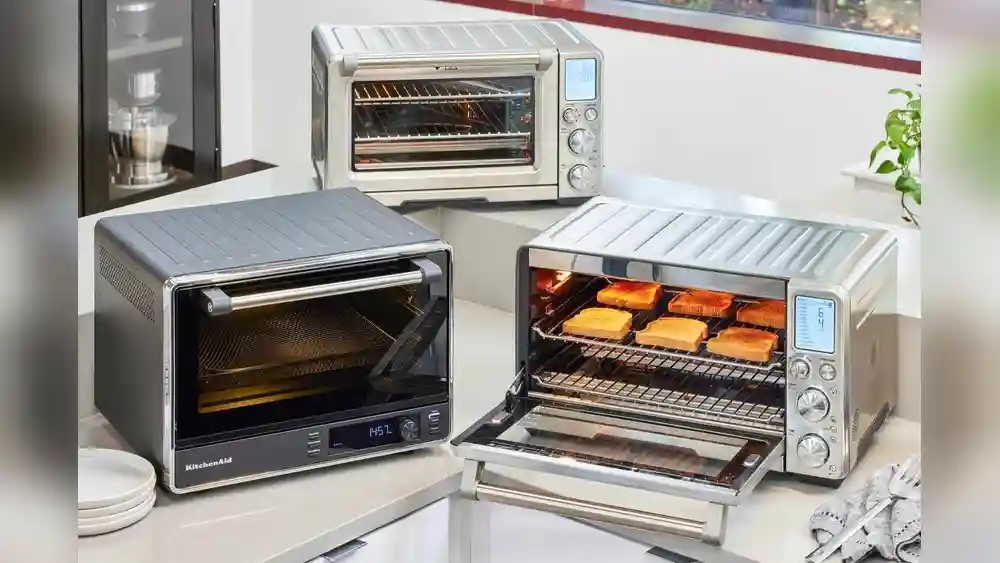
Unlike a microwave, which uses radiation to vibrate water molecules, a toaster oven works exactly like a conventional oven — it uses radiant heat from heating elements above and below the food. Most modern toaster ovens also have a convection fan, which circulates hot air and helps food cook more evenly and develop better browning.
The key difference from a full-size oven is size. That smaller space heats up faster, holds temperature consistently, and uses significantly less energy. For single servings or small households, this is a genuine advantage — not a compromise.
One important note: because the heating elements are closer to your food, temperatures can run slightly hotter than the dial suggests. As a general habit, check food 5 minutes before the estimated cook time, especially the first time you try a new recipe.
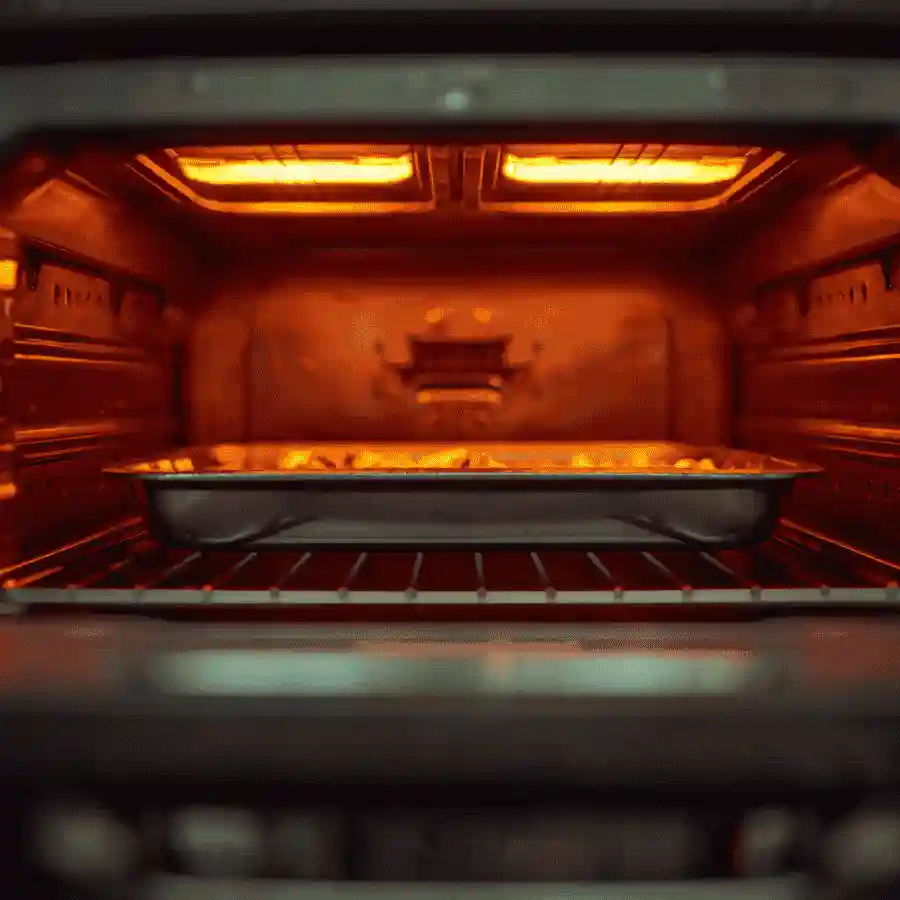
25 Meals You Can Cook in a Toaster Oven
Proteins
1. Chicken Thighs or Drumsticks
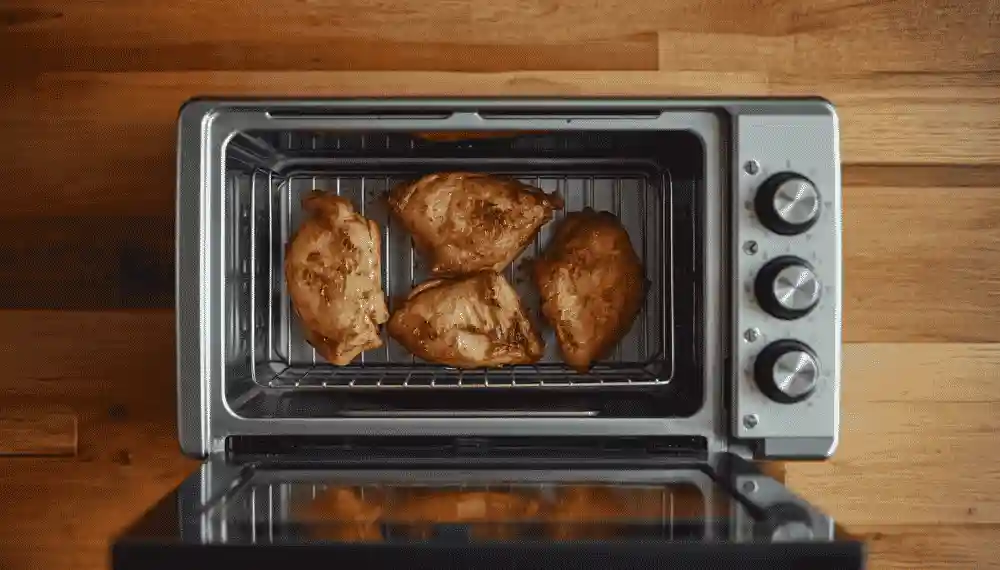
Chicken thighs are arguably the best thing you can cook in a toaster oven. The fat content means they stay moist even with the more intense radiant heat, and the skin crisps beautifully.
- Temperature: 400°F (200°C)
- Time: 35–40 minutes
- Tip: Season generously and let the chicken sit at room temperature for 10 minutes before cooking. Place skin-side up on a rack if your toaster oven has one — this promotes airflow and crispier skin.
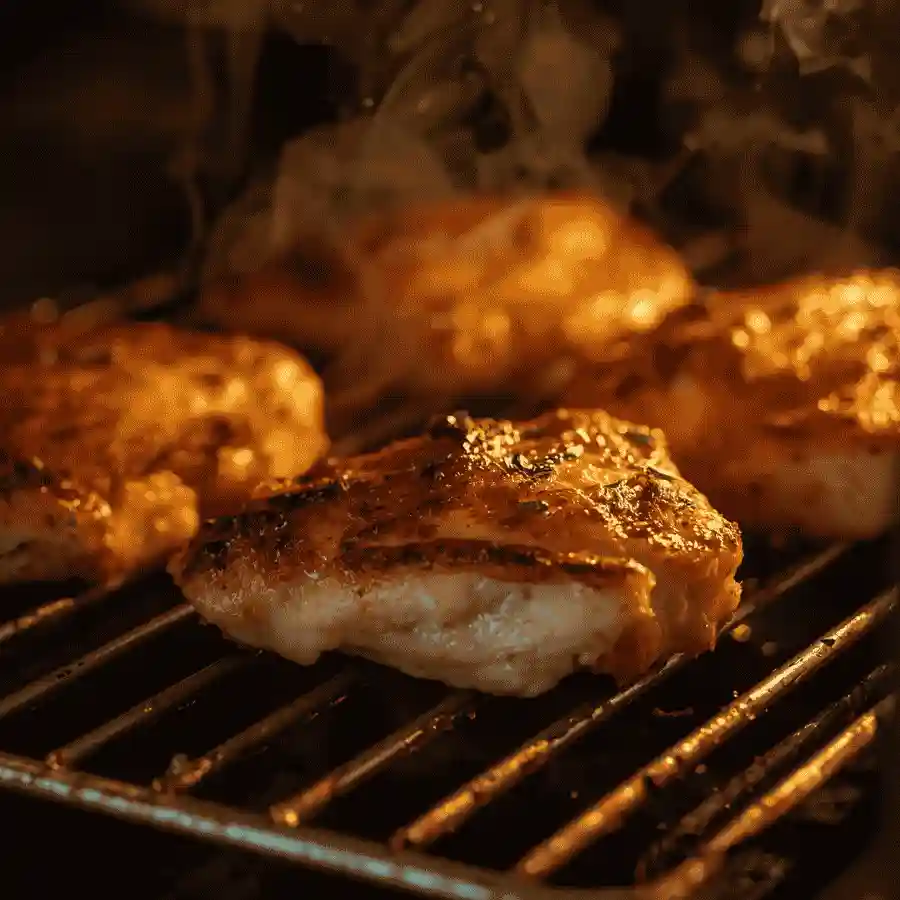
2. Baked Chicken Breast
Chicken breast is leaner and easier to dry out, but it works well in a toaster oven if you don't rush it.
- Temperature: 375°F (190°C)
- Time: 22–28 minutes, depending on thickness
- Tip: Pound thicker breasts to an even thickness, or butterfly them. Cover loosely with foil for the first 15 minutes, then uncover to finish. Let it rest 5 minutes before cutting — this matters more than people realize.
3. Salmon Fillet
Salmon in a toaster oven is fast, easy, and genuinely delicious. The proximity of the heating elements helps the outside caramelize while the inside stays tender.
- Temperature: 400°F (200°C)
- Time: 10–14 minutes (for a 1-inch thick fillet)
- Tip: Line your pan with foil for easy cleanup. A simple glaze of soy sauce, honey, and garlic applied before cooking will give you something that looks and tastes far more impressive than the effort required.
4. Shrimp
Shrimp cooks in minutes in a toaster oven, making it one of the fastest protein options you have.
- Temperature: 400°F (200°C)
- Time: 6–8 minutes
- Tip: Toss in olive oil, garlic, and paprika, then spread in a single layer. Don't overlap — shrimp steam instead of roast when crowded, and you lose that slight char on the edges.
5. Bacon
Cooking bacon in a toaster oven is, in many ways, better than cooking it on the stovetop. No splatter, no standing over the pan, and you can cook the whole pack at once.
- Temperature: 400°F (200°C)
- Time: 12–15 minutes (chewy), 16–18 minutes (crispy)
- Tip: Place strips on a rack over a foil-lined pan so the fat drips away from the bacon. The result is evenly cooked, crispy strips every time.
6. Pork Chops
Bone-in or boneless, pork chops roast well in a toaster oven. The direct heat helps develop a crust that you'd otherwise have to achieve on the stovetop.
- Temperature: 400°F (200°C)
- Time: 20–25 minutes (flip halfway)
- Tip: Brine the chops in salted water for 30 minutes before cooking if you have time — it makes a noticeable difference in moisture and flavor.
7. Meatballs
Baked meatballs are easier than pan-fried ones and just as good. In a toaster oven, a batch of 12–16 meatballs fits comfortably.
- Temperature: 400°F (200°C)
- Time: 18–22 minutes
- Tip: Use a small wire rack if available. Rolling the meatballs in a little olive oil before baking helps them brown rather than steam.
8. Eggs (Baked or Frittata-Style)
Yes, you can cook eggs in a toaster oven. Baked eggs in individual ramekins or a small frittata in an oven-safe pan both work extremely well.
- Temperature: 350°F (175°C)
- Time: 10–14 minutes for baked eggs; 18–22 minutes for a small frittata
- Tip: For baked eggs, add a tablespoon of cream and some herbs to the ramekin before cracking the egg in. The result is a soft, custardy egg that's far more interesting than scrambled.
Vegetables and Sides
9. Roasted Vegetables
This might be the single most useful thing a toaster oven does. Roasting vegetables at high heat concentrates their flavors and develops caramelization that steaming or microwaving can never achieve.
- Best vegetables: Broccoli, cauliflower, cherry tomatoes, zucchini, bell peppers, asparagus, Brussels sprouts, carrots
- Temperature: 425°F (220°C)
- Time: 15–25 minutes depending on the vegetable (root vegetables take longer)
- Tip: Cut vegetables into similar sizes, toss in olive oil and salt, and don't overcrowd the pan. Crowded vegetables steam; spaced vegetables roast. Shake the pan halfway through.
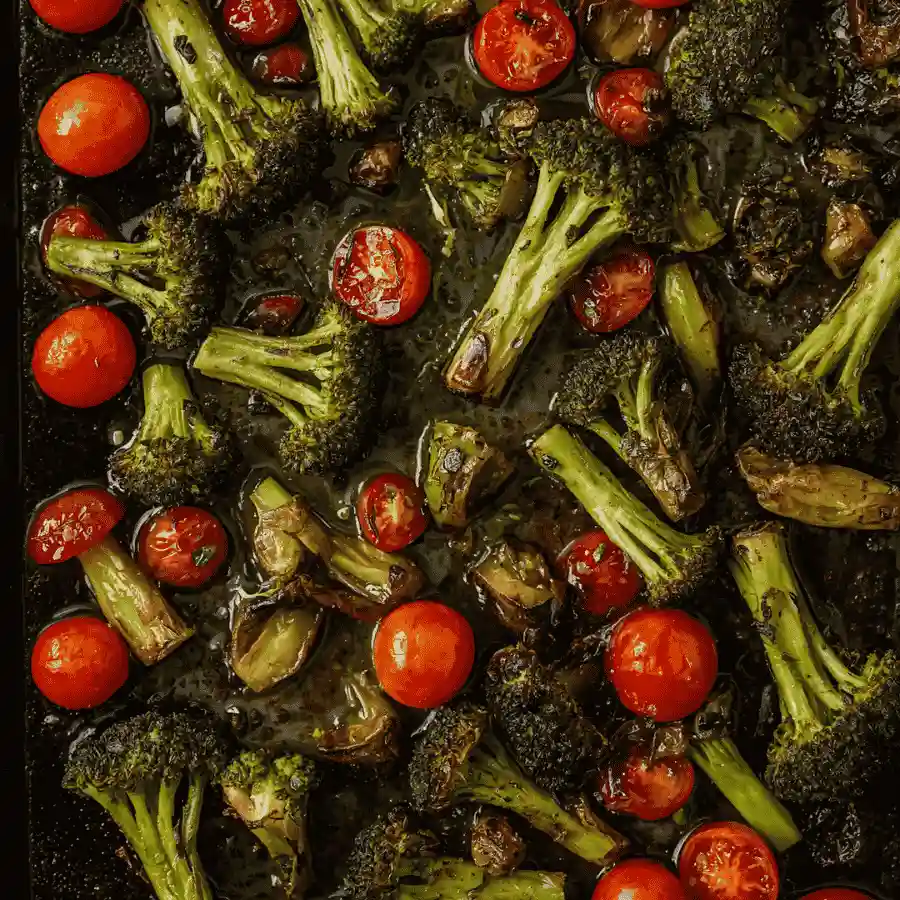
10. Roasted Potatoes
Crispy on the outside, fluffy in the middle — roasted potatoes in a toaster oven rival anything a full-size oven produces.
- Temperature: 425°F (220°C)
- Time: 25–30 minutes (flip at 15 minutes)
- Tip: Parboil diced potatoes for 5 minutes first, drain and roughen the edges with a shake of the colander, then roast. The rough edges crisp up better than smooth-cut pieces.
11. Garlic Bread
Obvious, but worth including because a toaster oven makes genuinely better garlic bread than a regular oven — faster, crispier edges, and the butter soaks in rather than burning.
- Temperature: 375°F (190°C)
- Time: 8–10 minutes
- Tip: Broil for the last 2 minutes if you want the top to brown. Watch it — garlic bread goes from perfect to burnt faster than you expect.
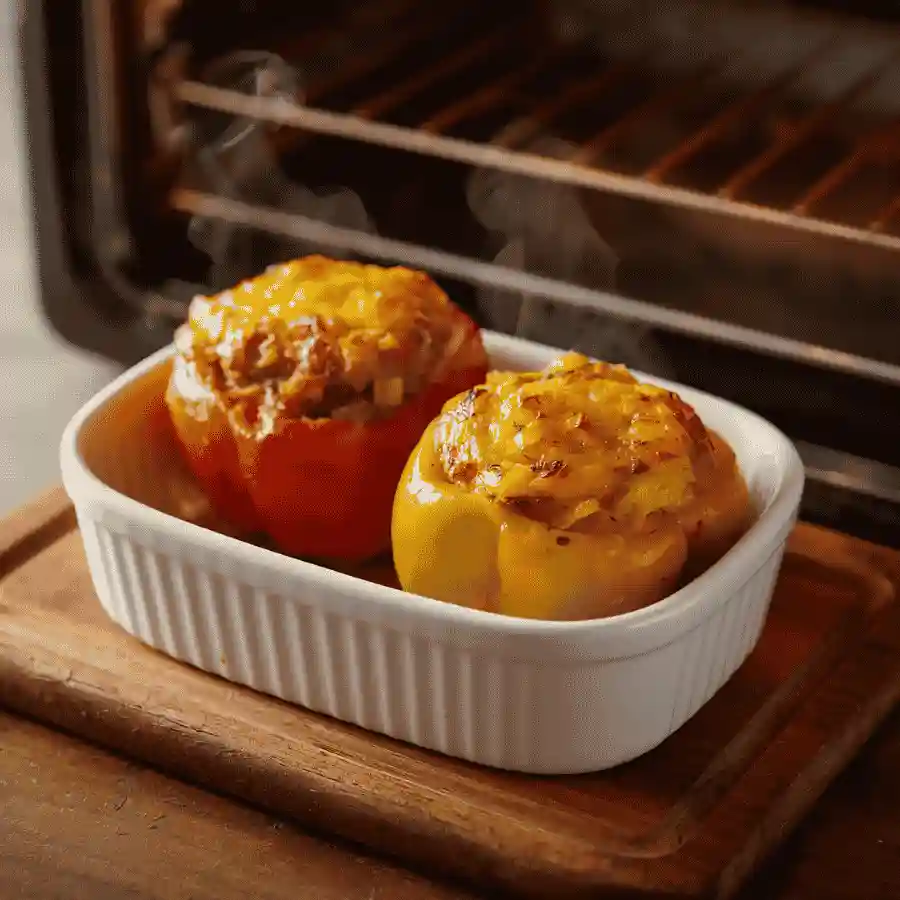
12. Stuffed Bell Peppers
A complete meal in a single container. A toaster oven handles stuffed peppers beautifully — the outside softens and starts to char slightly while the filling heats through.
- Temperature: 375°F (190°C)
- Time: 30–35 minutes
- Tip: Cut a thin slice off the bottom of each pepper so they stand upright without tipping. Pre-cook your filling (rice, meat, or grains) before stuffing, since the pepper cooking time isn't long enough to cook raw ingredients inside.
13. Corn on the Cob
Wrap in foil with a little butter and salt, or roast it unwrapped for char and sweetness. Both methods work.
- Temperature: 400°F (200°C)
- Time: 20–25 minutes unwrapped (turning twice), 25–30 minutes wrapped in foil
- Tip: The unwrapped method produces a slightly charred, nutty corn that's genuinely better than boiled corn for most people.
Frozen and Quick Meals
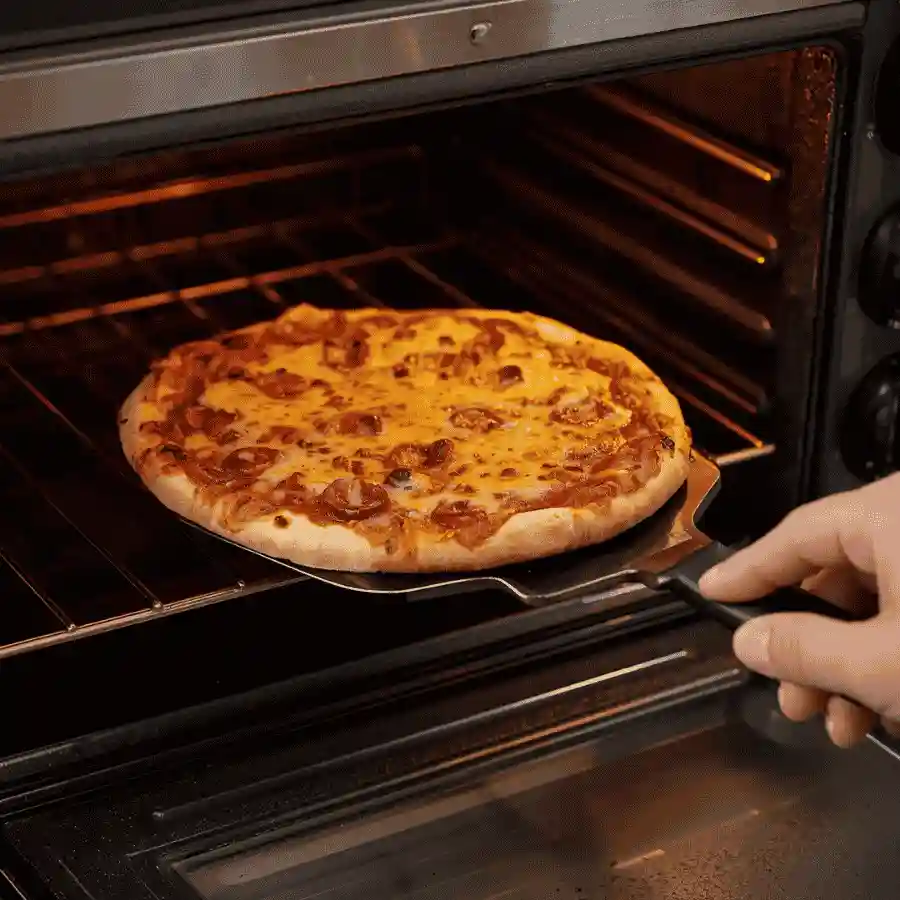
14. Frozen Pizza
Toaster ovens were practically made for frozen pizza. Most standard-sized personal pizzas or flatbreads fit perfectly, and the result is a crispier crust than most conventional ovens deliver because the heat source is closer.
- Temperature: Follow package instructions, or 400°F (200°C)
- Time: 10–14 minutes
- Tip: Place directly on the rack (not on a pan) for a crispier bottom crust. If the top is browning faster than the base, move the pizza down a rack level.
15. Frozen French Fries
Better than the microwave, faster than the full oven. The convection setting — if your toaster oven has one — makes frozen fries noticeably crispier.
- Temperature: 400°F (200°C)
- Time: 18–22 minutes (shake the pan halfway)
- Tip: Don't pile fries too deep — a single layer is ideal. If you have a convection setting, use it here.
16. Frozen Chicken Nuggets or Tenders
Reliable, quick, and actually crispy when done in a toaster oven rather than a microwave.
- Temperature: 400°F (200°C)
- Time: 12–16 minutes (flip halfway)
- Tip: A light spray of cooking oil on the nuggets before baking improves the exterior texture.
17. Reheating Pizza
Arguably the toaster oven's single greatest contribution to human happiness. Reheated pizza in a toaster oven is crispy on the bottom, melted on top — nothing like the soggy result from a microwave.
- Temperature: 375°F (190°C)
- Time: 5–7 minutes
- Tip: No foil, no cover — just place the slice directly on the rack or a pan and let the heat do its work.
Baked Goods and Snacks
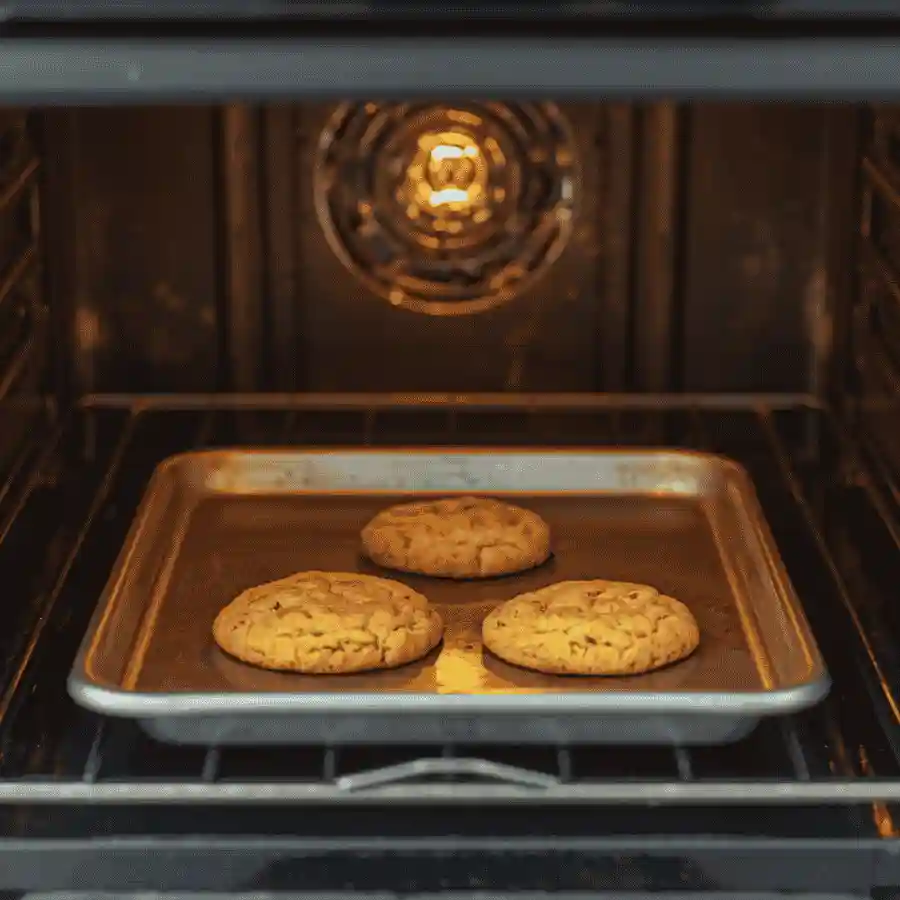
18. Cookies
A full batch won't fit, but a half-batch bakes perfectly well in a toaster oven. The smaller space actually helps with consistency, since the temperature is steadier across a smaller cooking area.
- Temperature: 350°F (175°C)
- Time: 10–14 minutes
- Tip: Use a light-colored metal pan — dark pans absorb more heat and can over-brown the bottoms. Rotate the pan at the halfway mark because most toaster ovens have slight hot spots.
19. Brownies
Rich, fudgy brownies are very doable in a toaster oven. Use a small 8x8-inch pan, or a 6-inch round cake pan if that's what fits your model.
- Temperature: 325°F (165°C)
- Time: 22–28 minutes
- Tip: Start checking at 20 minutes. A toothpick inserted 1 inch from the edge (not the center) should come out with just a few moist crumbs. The center will continue to set as the brownies cool.
20. Muffins
Standard muffin tins often fit in toaster ovens. If not, silicone cups or a small 6-cup muffin tin will work.
- Temperature: 350°F (175°C)
- Time: 18–22 minutes
- Tip: Fill cups about ¾ full. Because toaster oven tops tend to brown quickly, tent loosely with foil if the tops are darkening before the centers are set.
21. Quesadillas and Flatbreads
Melted cheese, crispy edges, five minutes. One of the fastest toaster oven meals you can make.
- Temperature: 400°F (200°C)
- Time: 5–7 minutes
- Tip: Place directly on the rack for a crispier tortilla. For quesadillas, flip once at the halfway point.
22. Nachos
A sheet of nachos with layered toppings goes from assembled to bubbling in under ten minutes. The toaster oven handles cheese-melting better than most methods.
- Temperature: 375°F (190°C)
- Time: 7–10 minutes
- Tip: Add cold toppings (sour cream, salsa, avocado) after baking, never before. Use a foil-lined pan for easy cleanup.
Full Meals and Comfort Food
23. Mini Meatloaf
Individual-sized meatloaves cook faster than a full loaf and actually have better meat-to-glaze ratio, since more surface area is exposed to the heat.
- Temperature: 375°F (190°C)
- Time: 25–30 minutes
- Tip: Shape into two or three small loaves rather than one. This speeds up cook time and gives you more of that caramelized glaze on the outside.
24. Baked Mac and Cheese
Start with a stovetop base (roux, milk, cheese sauce, cooked pasta), then transfer to an oven-safe dish, top with breadcrumbs, and finish in the toaster oven for the crispy topping.
- Temperature: 375°F (190°C)
- Time: 20–25 minutes
- Tip: Use a broiler-safe dish and hit the broil setting for the last 3 minutes for a properly golden, crunchy topping. Watch it closely during broiling.
25. Roasted Chickpeas
Crispy, protein-rich, and surprisingly addictive as a snack or salad topper. One of the few foods that's actually better in a toaster oven than a conventional one.
- Temperature: 400°F (200°C)
- Time: 25–30 minutes (shake the pan every 10 minutes)
- Tip: Dry canned chickpeas very thoroughly with a paper towel before roasting — moisture is the enemy of crispiness. Season after roasting, not before, to prevent the spices from burning.
Practical Tips for Toaster Oven Cooking
Preheat every time. It takes less than 5 minutes and makes a real difference in cook time accuracy and browning. Skipping it is one of the most common reasons food comes out unevenly cooked.
Use the right rack position. Most toaster ovens have two or three rack levels. Middle position is default for most cooking. Bottom position is better for crispier bases (pizza, cookies). Top position is for broiling or browning the tops of dishes.
Invest in a small oven thermometer. Toaster ovens are notoriously inaccurate — some run 25 to 50 degrees hotter or cooler than the dial suggests. A cheap oven thermometer tells you exactly what's happening inside, and it can make the difference between inconsistent results and reliable ones.
Use the right pans. Oven-safe metal pans, small cast iron, ceramic dishes, and glass bakeware all work. Nothing with plastic handles, and nothing labeled "microwave-safe only."
Don't block the vents. Toaster ovens have ventilation slots, usually at the back or sides. Keeping them clear ensures proper heat circulation and prevents overheating.
Common Toaster Oven Mistakes to Avoid
Leaving the crumb tray in when broiling. Accumulated crumbs can ignite under high broiler heat. Empty and clean the crumb tray regularly, especially before using the broil function.
Cooking acidic foods directly on uncoated pans. Tomato sauce, lemon juice, and vinegar-based dishes can react with aluminum pans over time. Use lined or coated pans for these.
Overcrowding the pan. This is the single biggest mistake people make. Food releases moisture as it cooks — if pieces are too close together, that moisture has nowhere to go and the food steams instead of roasts. Leave space between pieces.
Using the wrong setting. Most toaster ovens have bake, broil, toast, and sometimes convection. Bake is for most recipes. Broil is only for the last few minutes of cooking to brown the top. Using broil as a substitute for bake can burn the exterior while the inside stays raw.
Frequently Asked Questions
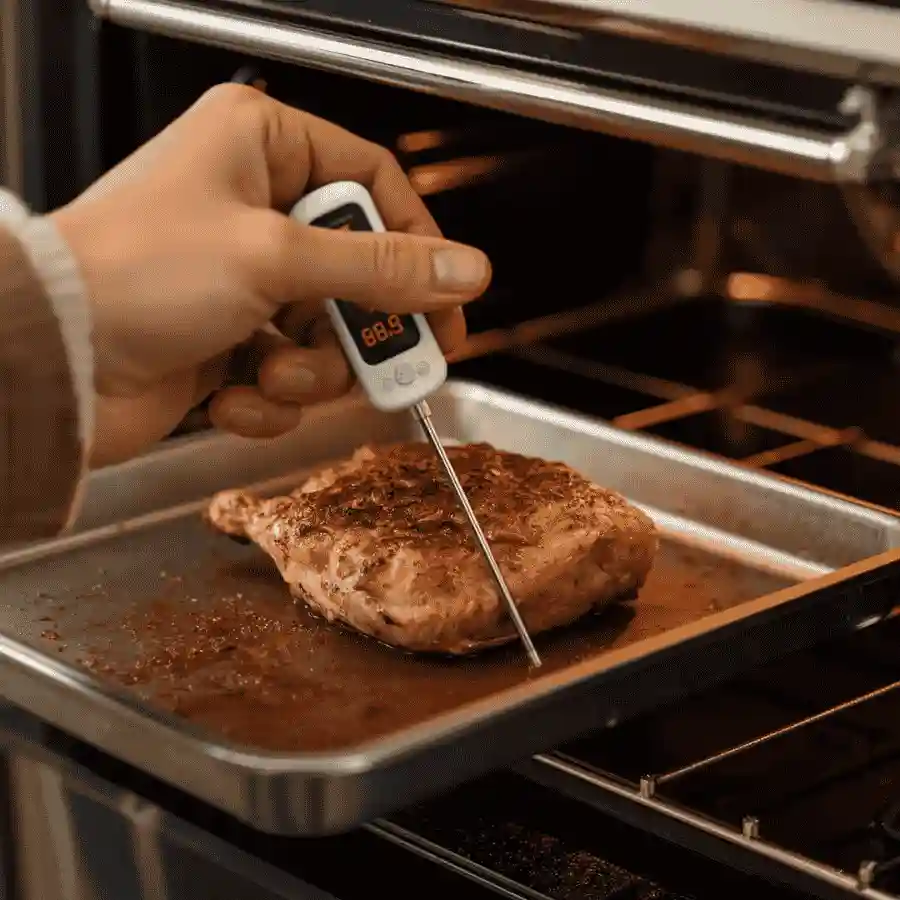
Can you cook raw meat in a toaster oven? Yes, absolutely. Raw chicken, beef, pork, and fish all cook safely in a toaster oven, provided you reach proper internal temperatures: 165°F (74°C) for poultry, 145°F (63°C) for pork and fish, 160°F (71°C) for ground beef. Use a meat thermometer — it's the only reliable way to know.
Can you use aluminum foil in a toaster oven? Yes, you can line pans with aluminum foil for easier cleanup. However, never line the bottom of the toaster oven itself with foil — this traps heat, can damage the heating elements, and creates a fire risk.
Can you use parchment paper in a toaster oven? Yes, with one caution: standard parchment paper is safe up to about 420–450°F (215–230°C). Keep it away from heating elements and don't use it under the broiler. If it hangs over the edge of the pan, tuck it under so it doesn't curl up and touch the element.
Is a toaster oven the same as an air fryer? Not exactly, though they're closely related. A convection toaster oven circulates hot air similarly to an air fryer, and the results are comparable for many foods. Dedicated air fryers tend to circulate air more aggressively and may produce crispier results for foods like fries and chicken wings. But a toaster oven with a convection setting is versatile enough to approximate air fryer results while also handling a much wider range of cooking tasks.
Can you bake bread in a toaster oven? Yes, for smaller loaves or rolls. A standard full-sized loaf of bread won't fit in most toaster ovens, but a small sourdough boule, dinner rolls, focaccia, or banana bread in a small loaf pan all work well. Reduce the recipe temperature by about 25°F compared to conventional oven instructions, since toaster ovens tend to run warm.
How do you prevent burning in a toaster oven? Keep an eye on cook times, especially the first time you make something. Tent food loosely with foil if the top is browning too quickly. Use the middle rack for most cooking. And calibrate your expectations with an oven thermometer — many toaster ovens run significantly hotter than the dial reads.
The Bottom Line
A toaster oven is one of the most underestimated appliances in most kitchens. It's not just a backup when the big oven is busy — for small households, quick weeknight meals, or anyone cooking for one, it can be the primary cooking tool you reach for every day.
The 25 meals above are a starting point, not a limit. Once you get comfortable with how your particular toaster oven behaves — how hot it runs, where its hot spots are, how the convection setting changes things — you'll start adapting almost any recipe to it intuitively.
Start with the chicken thighs or the roasted vegetables if you want something approachable and reliably good. Then work your way through the list. Chances are, you'll find that most of what you assumed required a full-size oven works just as well, sometimes better, in the compact appliance you've had on your counter all along.
Related reading: How to Choose the Best Toaster Oven for Your Kitchen | Toaster Oven vs. Air Fryer: What's the Real Difference? | 10 Toaster Oven Recipes for One Person