Commercial Countertop Pizza Oven: The Complete Guide for Restaurants and Food Businesses
Pizza is one of the most popular foods in the world‚ and it can be found everywhere‚ from cafes and bars to restaurants and bistros․ Any food business owner knows just how important a good pizza is to their success and reputation․ However‚ pizzas of consistent quality are not easy to make․ Sometimes‚ the pizza oven can make all the difference․ Commercial countertop pizza ovens are the salvation for a lot of businesses․ They are relatively small‚ powerful‚ and made to be used frequently․
In this article‚ we will review commercial countertop pizza ovens․ This will help you decide if the equipment is right for you‚ whether you own a food truck‚ bakery or pizzeria․ We'll describe the types of ovens‚ how they work‚ the features you should look for‚ how much they're worth‚ how to install them‚ their safety‚ how to maintain them and more․
You will see real examples‚ and read expert tips and things to avoid․ By the end‚ you will have enough information to make an informed decision for your business․
What Is A Commercial Countertop Pizza Oven?
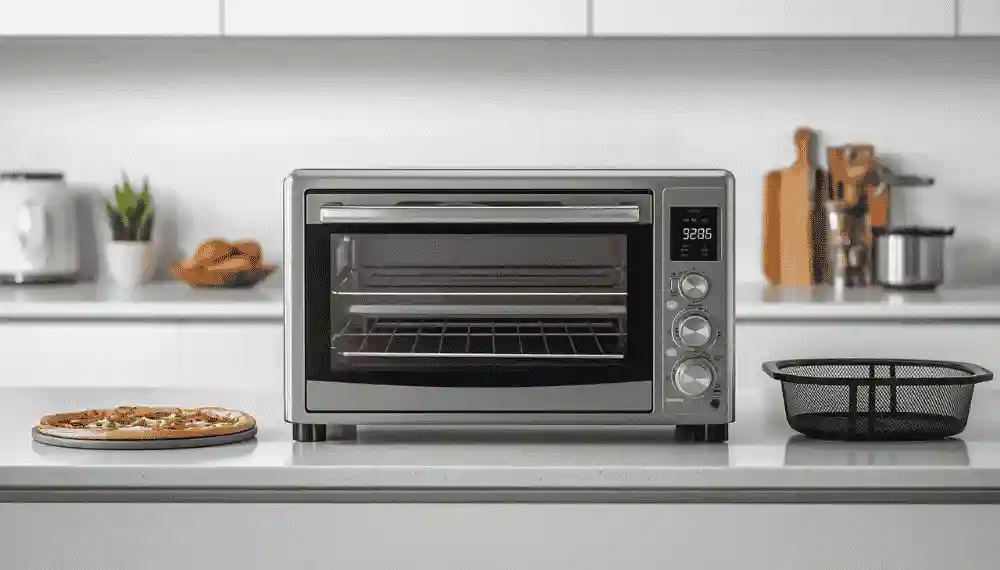
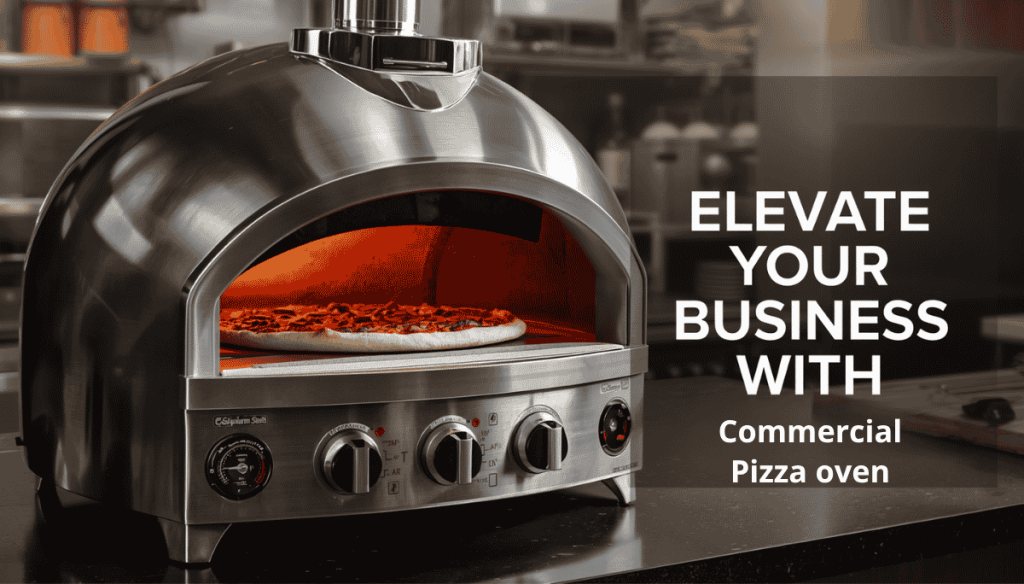
A commercial countertop pizza oven is a small, high-performance oven made for professional kitchens. As the name suggests, it sits on a countertop instead of the floor. These ovens are specially built for cooking pizza quickly and evenly. They save space, heat up fast, and are easy to operate. Many models can also cook other foods like sandwiches, flatbreads, or appetizers.
Unlike home ovens, commercial countertop pizza ovens are designed for heavy use. They can reach high temperatures (often 500°C or more), have strong insulation, and use durable materials like stainless steel. This makes them ideal for restaurants, cafes, bars, convenience stores, and even food trucks.
Key Advantages
- Space-saving: Fits on most kitchen counters, leaving space for other equipment.
- High output: Can cook multiple pizzas at once, often in just a few minutes.
- Versatile: Some models handle many types of food, not just pizza.
- Energy efficient: Uses less energy than a full-size pizza oven.
- Easy to install: No need for major renovations or special flooring.
Types Of Commercial Countertop Pizza Ovens
Choosing the right type depends on your menu, space, and budget. Here are the main types, each with their unique strengths.
1. Deck Ovens
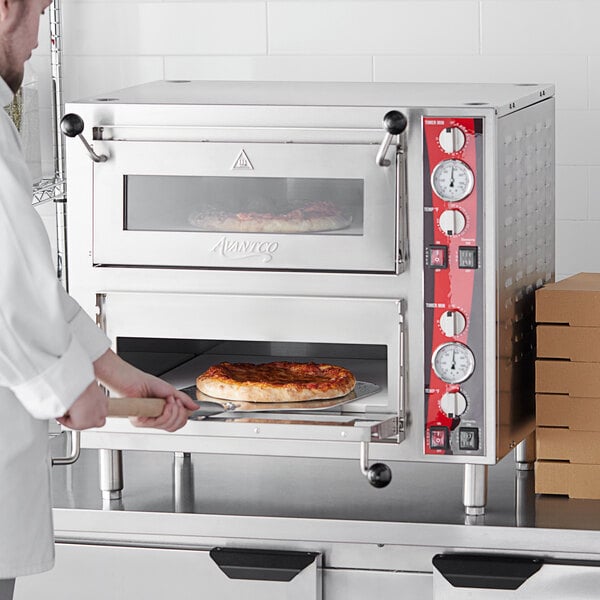
Deck ovens are a classic choice for many pizzerias. They have one or more flat, stone or ceramic decks where you place the pizza. Heat comes from below and above, giving pizzas a crisp bottom and nicely cooked toppings.
- Best for: Classic pizza (Neapolitan, New York-style), calzones, bread.
- Features: Stone decks, adjustable temperature, even baking.
- Capacity: 1 to 6 pizzas at a time, depending on size.
Deck ovens are popular because they can mimic the effect of a brick oven but in a much smaller space. Some models have two or three decks, letting you cook several pizzas at different temperatures.
2. Conveyor Ovens
Conveyor ovens use a moving belt to carry pizzas through a heated chamber. This design allows for continuous, hands-off cooking. You set the speed and temperature, and the oven does the rest.
- Best for: High-volume pizza shops, quick service, frozen pizza.
- Features: Automatic operation, consistent results, stackable design.
- Capacity: Varies by size, but can cook dozens of pizzas per hour.
A conveyor oven is ideal if you need to serve many pizzas in a short time, such as in busy fast-food settings. However, they take up a bit more counter length because of the belt system.
3. Pizza Ovens With Rotating Stone
Some countertop ovens have a rotating stone deck. The rotation ensures that every part of the pizza gets the same amount of heat. This technology gives a crisp crust and evenly melted cheese without manual turning.
- Best for: Artisan pizza, small batches, specialty pizzas.
- Features: Spinning stone, precise temperature control, compact size.
- Capacity: Usually 1 pizza at a time, but very even results.
These ovens are loved by chefs who want consistency with minimal effort.
4. Convection Ovens
Commercial convection ovens use fans to circulate hot air. This results in even baking and shorter cooking times. While they are not made just for pizza, many models can handle it well—especially thin crust or flatbread styles.
- Best for: Multi-purpose kitchens, small bakeries, low to medium pizza output.
- Features: Adjustable racks, fast preheat, versatile.
- Capacity: 2-4 pizzas at once, depending on size.
Convection ovens are a good choice if you want one machine for many foods. However, they may not reach the very high temperatures of deck or conveyor ovens.
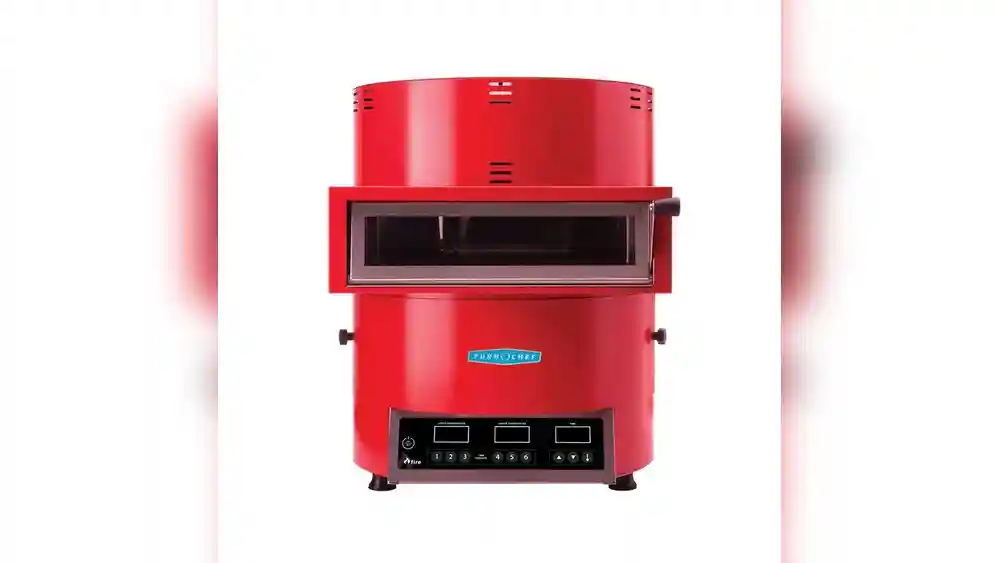
5. Rapid Cook Or High-speed Ovens
These modern ovens use a mix of technologies—microwave, convection, and sometimes infrared—to cook pizza in as little as 2 minutes. They are compact and very fast, but often more expensive.
- Best for: Cafes, bars, convenience stores, grab-and-go service.
- Features: Ultra-fast cook time, programmable settings, small footprint.
- Capacity: Usually 1 pizza at a time.
They are not for traditionalists, but perfect when speed is most important.
6. Wood-fired Countertop Ovens
A few manufacturers offer small wood-fired ovens for countertops. They use real wood as fuel and can reach very high temperatures, giving pizzas a smoky, artisan flavor.
- Best for: Specialty pizzerias, food trucks, outdoor kitchens.
- Features: Real wood fire, authentic taste, beautiful design.
- Capacity: 1-2 pizzas at a time.
These ovens are less common in commercial settings due to ventilation and fire safety needs, but they can be a unique selling point.
Key Features To Consider When Choosing A Countertop Pizza Oven
Every food business has unique needs. Here are the features to compare before investing in a commercial countertop pizza oven.
Size And Capacity
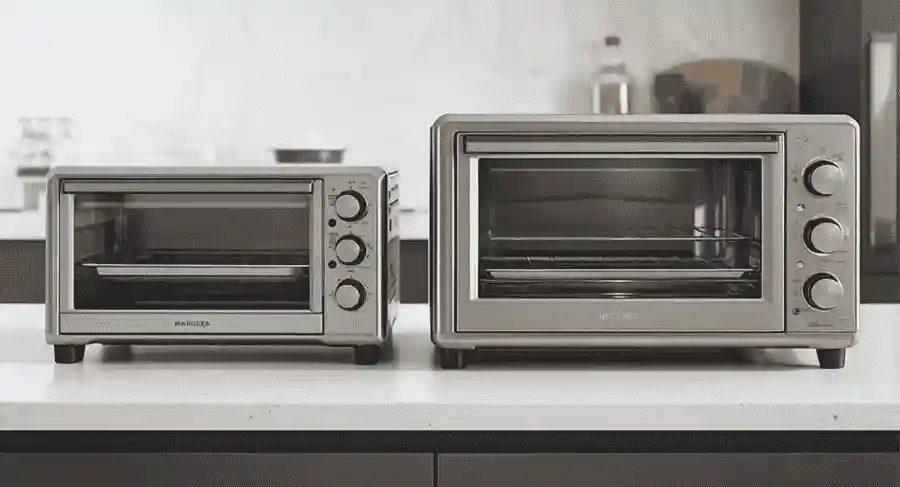
- External dimensions: Make sure the oven fits your available counter space.
- Internal size: Check how many pizzas you can cook at once and the maximum pizza diameter.
- Height: Some ovens have tall chambers for thicker pizzas or other baked goods.
Power Source
- Electric ovens: Most countertop pizza ovens are electric. They are easy to install and safe indoors.
- Gas ovens: Less common on countertops, but available. They may offer more heat and lower running costs, but require gas hookups.
Temperature Range
- Maximum temperature: Higher is better for authentic pizza. Look for models that reach at least 450°C (850°F).
- Adjustability: Fine control is helpful for different pizza styles and other foods.
Cooking Surface
- Stone deck: For a crisp, authentic crust. Absorbs moisture and retains heat.
- Metal deck: Heats up fast, easy to clean.
- Rotating or fixed: Rotating stones offer even baking without manual effort.
Controls And Interface
- Manual knobs: Simple and durable, but less precise.
- Digital controls: Allow for exact temperature and timing, sometimes with pre-set programs.
- Timers and alerts: Useful for busy kitchens to avoid burning pizzas.
Build Quality And Materials
- Stainless steel body: Resists rust and is easy to clean.
- Insulation: Good insulation saves energy and keeps the kitchen cooler.
- Door design: Some ovens have see-through doors to check progress without opening.
Ventilation Requirements
Most electric countertop ovens need only basic ventilation, but check local codes. Wood-fired or gas ovens may need more advanced hoods or exhaust systems.
Ease Of Cleaning
Look for removable crumb trays, non-stick interiors, or easy-to-access decks. Daily cleaning is a must in commercial kitchens.
Safety Features
- Cool-touch handles: Prevent burns.
- Automatic shut-off: For peace of mind.
- Non-slip feet: Keep the oven stable on busy counters.
Energy Efficiency
A well-insulated oven with a fast preheat saves energy and money. Some models have standby modes to reduce power when not in use.
Price And Warranty
- Initial cost: Varies from $500 for basic models to over $5,000 for high-end or rapid-cook ovens.
- Warranty: Look for at least 1 year. Some brands offer longer protection.
Commercial Countertop Pizza Oven Vs. Other Pizza Ovens
How does a countertop pizza oven compare to other options? Here’s a quick look:
| Oven Type | Countertop Pizza Oven | Floor Pizza Oven | Home Oven |
|---|---|---|---|
| Size | Small, fits on counter | Large, needs floor space | Compact, for home kitchens |
| Output | Medium to high | Very high | Low |
| Cost | Moderate | High | Low |
| Installation | Easy | Complex | Simple |
| Best For | Small restaurants, food trucks | Large pizzerias | Home use |
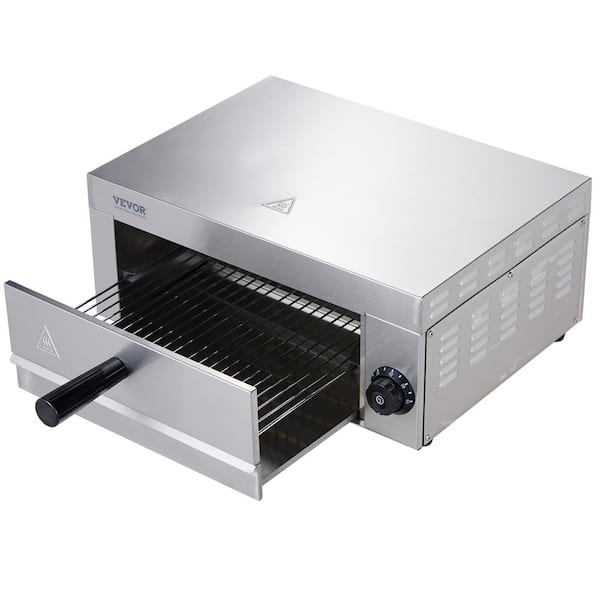
The countertop pizza oven hits a sweet spot for small to medium businesses. It offers the speed and consistency of a commercial oven without the space and cost demands of a floor model.
How To Choose The Right Commercial Countertop Pizza Oven For Your Business
Picking the right oven can feel overwhelming.
Here’s a step-by-step approach to make a smart decision.
1. Identify Your Menu And Volume
Are you serving only pizza, or will you offer other baked goods? How many pizzas do you expect to make each hour? If you only need to bake a few pizzas per day, a single-deck oven or a convection oven may be enough.
For busy pizza shops, a conveyor oven or double-deck model is better.
2. Measure Your Available Space
Countertop ovens save room, but some are still quite large. Measure your counter’s width, depth, and height before shopping. Leave space for airflow and cleaning.
3. Choose Power Source Wisely
Most businesses find electric ovens easiest to install. If you have access to gas and want the highest heat, look for a gas model, but check local codes and safety needs.
4. Decide On Key Features
Do you want a stone deck for authentic crust? Need programmable controls for different menu items? Would a see-through door help your staff? Make a list of must-have features.
5. Set A Realistic Budget
Cheap ovens may seem like a bargain, but can cost more in repairs, energy, or lost sales if they break. Look for models with good reviews, solid warranties, and support from the manufacturer.
6. Check For Compliance And Safety
Make sure the oven meets local fire and health codes. Ask about ventilation, electrical needs, and cleaning requirements before buying.
7. Ask For Demos Or Trials
Some suppliers offer demo units or in-store trials. Test how easy it is to load, unload, and clean the oven. Taste the results if possible.
8. Consider Long-term Costs
Think about energy use, repairs, and how easy it is to find replacement parts. An efficient oven pays for itself over time.
9. Read Expert And User Reviews
Look for feedback from real businesses like yours. Sometimes, a feature that sounds great on paper is less useful in a busy kitchen.
10. Plan For Growth
If you expect your business to grow, choose an oven with a little extra capacity or the ability to stack more decks later.
Common Mistakes When Buying A Commercial Countertop Pizza Oven
Many first-time buyers make similar errors. Avoid these pitfalls for a smoother experience.
Underestimating Output Needs
It is common to choose an oven that is too small, thinking it will save money. But if you can’t keep up during rush times, customers will leave. Always pick an oven with slightly more capacity than you think you need.
Ignoring Ventilation
Even electric ovens need some airflow. Failing to plan for ventilation can lead to overheating, kitchen discomfort, or failed inspections.
Overlooking Cleaning And Maintenance
Some ovens are hard to clean, with fixed decks or sharp corners. This can slow down your staff and lead to hygiene problems. Choose models with easy access for cleaning.
Choosing Based On Price Alone
A low-cost oven may have poor insulation, uneven heating, or short lifespan. Consider total value, not just the price tag.
Forgetting About Service And Support
If your oven breaks during a busy day, you need quick help. Buy from brands with good local support and easy access to parts.
Real-world Examples And Use Cases
Food Truck
A pizza food truck in a city center chose a double-deck countertop stone oven. It fit in their limited space and could bake four 12-inch pizzas at once. The stone deck gave a crisp crust, which became a unique selling point.
They used the oven for flatbreads and baked sandwiches as well.
Cafe
A small cafe wanted to add pizza to their menu. They picked a rapid-cook oven. With preset programs, staff with little training could make hot pizza in two minutes. This helped during busy lunch hours when customers wanted quick service.
Bakery
A bakery used a convection oven for bread, pastries, and thin-crust pizza. The adjustable racks let them bake two pizzas and a tray of cookies together. They did not need very high heat, so a convection model was enough.
Bar
A busy bar needed to serve pizza as snacks. A small conveyor oven allowed them to bake frozen pizzas quickly, with minimal staff attention. The oven’s auto-timer meant pizzas were never forgotten and burnt, even on busy nights.
Top Brands And Models To Consider
The commercial countertop pizza oven market has many brands. Here are a few leaders, known for quality and reliability.
1. Bakerstone
BakerStone makes compact ovens with stone decks and high heat. Some models have a unique rotating stone for even cooking. They are popular for artisan pizza and small restaurants.
2. Waring Commercial
Waring’s countertop pizza ovens are known for tough build and easy use. They offer both single and double-deck models, with simple controls and strong heating.
3. Ovention
Ovention specializes in rapid-cook ovens with advanced technology. Their models cook pizza in under 2 minutes and have programmable controls for different menu items.
4. Lincoln
Lincoln conveyor ovens are trusted in the pizza industry for speed and reliability. Their compact models fit on most counters but can handle high output.
5. Nemco
Nemco offers affordable ovens with stone decks and fast preheat. Their ovens are popular in schools, bars, and small shops.
6. Breville Commercial
Breville’s countertop ovens are known for precise controls and stylish design. They are best for cafes and bakeries with moderate pizza needs.
7. Moretti Forni
For businesses seeking authentic Italian pizza, Moretti Forni offers stone deck ovens with high temperature and beautiful results.
8. Star Manufacturing
Star’s conveyor ovens are compact, efficient, and easy to clean. They suit busy quick-service restaurants.
Each brand has different models, so compare features, size, and price before buying.
Installation Tips And Requirements
Installing a commercial countertop pizza oven is usually simple, but there are some important steps.
Power Supply
- Electric ovens: Check the voltage and amperage. Many need a dedicated circuit (often 220-240V).
- Gas ovens: Must be installed by a licensed professional. Check for proper ventilation.
Counter Strength
Make sure your counter can hold the oven’s weight, especially for stone deck models.
Ventilation
Even if your oven does not need a vent hood by code, good airflow keeps your kitchen cooler and safer. Check manufacturer guidelines.
Clearance
Leave space around the oven for air to flow and for cleaning access. Never push it right against a wall.
Fire Safety
Install smoke detectors and have a fire extinguisher nearby. Train staff on fire safety and what to do in emergencies.
Initial Testing
Run the oven empty for the first time to burn off any manufacturing oils or residues before cooking food.
Daily Use And Best Practices
To get the most from your oven, follow these steps:
- Preheat fully: Many ovens need 15-30 minutes to reach the right temperature.
- Use the right tools: Pizza peels, screens, and cutters make loading and slicing easier.
- Rotate if needed: Some ovens cook unevenly; turn pizzas halfway if required.
- Don’t overload: Too many pizzas at once reduce heat and can cause uneven cooking.
- Watch the bake: Even with timers, check pizzas near the end for perfect doneness.
Cleaning And Maintenance
Proper care keeps your oven working and your food safe.
Daily Cleaning
- Remove crumbs and food bits from the deck and trays.
- Wipe down the outside and handles with a damp cloth.
- Clean glass doors with a food-safe cleaner.
Weekly/monthly Tasks
- Deep clean the deck (check if it’s removable).
- Check the heating elements for buildup.
- Inspect cords and plugs for wear.
Yearly Maintenance
- Have a technician check wiring, elements, and safety features.
- Replace worn parts like door seals or stones.
Neglecting cleaning can cause smoke, bad smells, and uneven baking. A clean oven is a reliable oven.
Energy Efficiency And Cost Savings
Operating costs matter for every business. A countertop oven can be energy efficient if used well.
Energy-saving Tips
- Preheat only when needed; don’t leave on all day if not in use.
- Use standby mode if your oven has it.
- Bake multiple pizzas at once, not one at a time.
- Keep doors closed during use to retain heat.
Comparing Energy Use
Here is how different ovens compare in energy use (approximate values):
| Oven Type | Power (kW) | Pizzas per Hour | Estimated Cost/Day* |
|---|---|---|---|
| Countertop Deck | 2-4 | 10-30 | $2-5 |
| Conveyor | 4-8 | 30-60 | $4-9 |
| Rapid Cook | 3-6 | 15-30 | $3-6 |
*Estimated cost based on average electricity rates and 5 hours of use per day.
Safety Guidelines For Commercial Countertop Pizza Ovens
Safety is always a top priority. Here are essential rules:
- Keep oven clear: Never store items on top of the oven.
- Use oven mitts: Handles and doors get hot.
- Watch for smoke: If you see smoke, turn off and check for burnt food.
- Supervise at all times: Never leave the oven running unattended.
- Check cords and plugs: Damaged cords are a fire risk—replace immediately.
- Train staff: Make sure everyone knows safe operation and cleaning.
Following these steps keeps your team and business safe.
Frequently Overlooked Insights
While most guides cover the basics, here are two important points many miss:
- Ambient Kitchen Temperature Matters: In a very hot kitchen, your oven may struggle to hold high heat, especially during rush hours. Plan for extra ventilation or air conditioning to keep both staff and equipment comfortable.
- Pizza Screen vs. Direct on Deck: Many chefs use pizza screens for faster service and less sticking, but baking directly on a stone deck gives the best crust. Experiment to find what works for your menu and workflow.
The Future Of Countertop Pizza Ovens
Technology is changing pizza ovens. Modern ovens have energy-saving modes, smart controls, and even touchscreens. Some can connect to kitchen management systems, track usage, and alert staff when service is needed. As demand grows for fresh, hot pizza in more places, countertop ovens will only get more popular.
If you want to see some of the latest pizza oven technologies, check trade shows or industry news at sources like the National Restaurant Association.
Frequently Asked Questions
What Is The Typical Lifespan Of A Commercial Countertop Pizza Oven?
A well-maintained commercial countertop pizza oven can last 7 to 10 years or more. The lifespan depends on build quality, frequency of use, and regular cleaning. Ovens used all day, every day in busy restaurants may need parts replaced more often, but with proper care, most models will serve your business for many years.
Can I Use A Commercial Countertop Pizza Oven For Other Foods?
Yes, many models are versatile. You can bake flatbreads, pastries, sandwiches, or even roast vegetables and small meats. However, ovens with a stone deck are best for bread and pizza, while metal decks or convection ovens work better for a wider range of foods.
Always check the manufacturer’s guidelines.
Do I Need A Hood Or Special Ventilation For My Oven?
This depends on your local health and fire codes, and the oven type. Most electric countertop pizza ovens do not require a full vent hood, but some places may require basic exhaust fans. Gas and wood-fired ovens almost always need more advanced ventilation.
Always confirm with local authorities before installing.
How Long Does It Take To Cook A Pizza In A Countertop Oven?
Cooking time depends on the oven’s temperature and the pizza style. Most commercial countertop ovens can bake a thin-crust pizza in 4 to 7 minutes at high heat (450°C/850°F). Rapid-cook ovens can do it in as little as 2 minutes, while thicker or loaded pizzas may take a bit longer.
What Are The Most Common Problems With Countertop Pizza Ovens?
Typical issues include uneven heating (leading to burnt or undercooked spots), slow preheat times, stuck-on food making cleaning hard, and worn-out heating elements. Regular cleaning, not overloading the oven, and yearly maintenance help prevent most problems.
Serving great pizza starts with choosing the right equipment. A commercial countertop pizza oven gives you speed, flexibility, and the power to satisfy hungry customers even in a small space. By understanding your needs, comparing features, and following best practices, you can make this investment a success for your business.